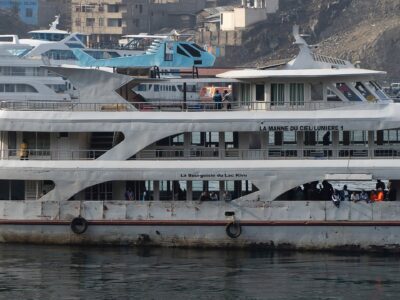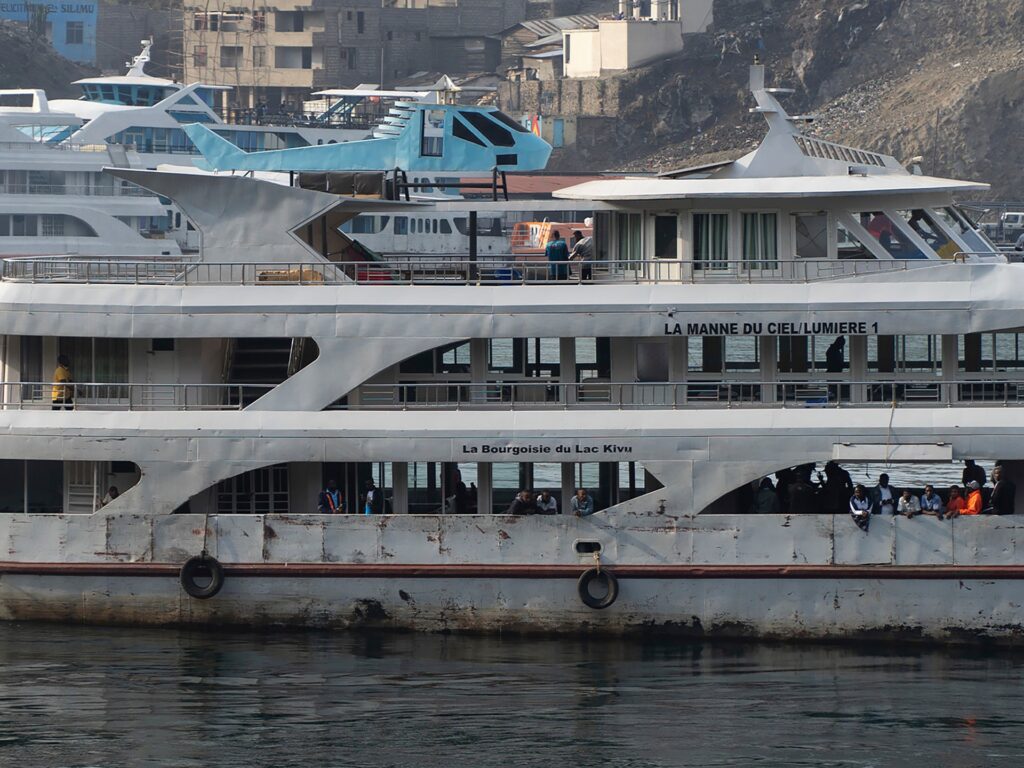
Tragedy struck on Lake Tanganyika in the Democratic Republic of Congo (DRC) as a boat capsized, resulting in the deaths of at least 41 people. The incident has left communities in shock and mourning as rescue operations continue to unfold. Authorities confirmed that a total of 49 passengers have been rescued from the wreckage, while a search is ongoing for those still missing.
Lake Tanganyika, one of Africa’s Great Lakes, is a vital waterway for transport and commerce in the region, frequently carrying numerous passengers across its vast waters. Unfortunately, incidents like capsizing are not uncommon due to factors such as overcrowding, poor weather conditions, and lack of adequate safety measures.
The rescue teams, including local authorities and community volunteers, are working tirelessly to locate survivors and recover any bodies from the lake. Emergency medical teams are also on standby to provide necessary care for the rescued individuals, many of whom suffered from hypothermia and injuries sustained during the capsizing.
Preliminary reports suggest that the boat was overloaded, which likely contributed to the tragedy. Officials have urged passengers to adhere to safety regulations and for operators to ensure that boats are not packed beyond their capacity to prevent such disasters in the future.
The DRC government has expressed deep condolences to the families of the victims and announced that an investigation will be launched to understand the causes of the accident fully. They also vowed to improve water safety standards across the region to safeguard lives.
Local communities that rely heavily on boat transportation expressed their fears and concerns following the accident, emphasizing the urgent need for better regulation and enforcement of safety measures on Lake Tanganyika’s waters.
This tragic event highlights the ongoing challenges faced by many African countries in ensuring safe transportation across their lakes and rivers. Overcrowded boats and insufficient safety infrastructure have been recurring issues leading to fatal accidents.
International organizations and humanitarian groups have also offered assistance to the DRC government, pledging support for rescue and recovery operations and for enhancing water safety practices.
Efforts are currently focused on bringing the missing passengers home to their families and providing immediate relief and support to those affected by the tragedy.
The search for the missing continues amid growing concerns over the conditions on the lake, including weather and water currents that pose additional risks to rescuers. Officials remain hopeful for more survivors but prepare for the possibility of more casualties.
This incident serves as a somber reminder of the critical need for investment in safer transport infrastructure and stringent enforcement of safety protocols on water bodies throughout the region. Such measures are essential to prevent future tragedies and protect vulnerable communities who depend on these vital transport routes for their livelihoods and daily travel.
As the DRC and its partners work to address these issues, there is a collective hope that this disaster will prompt significant improvements to ensure that incidents like this become less frequent and less deadly in the future.