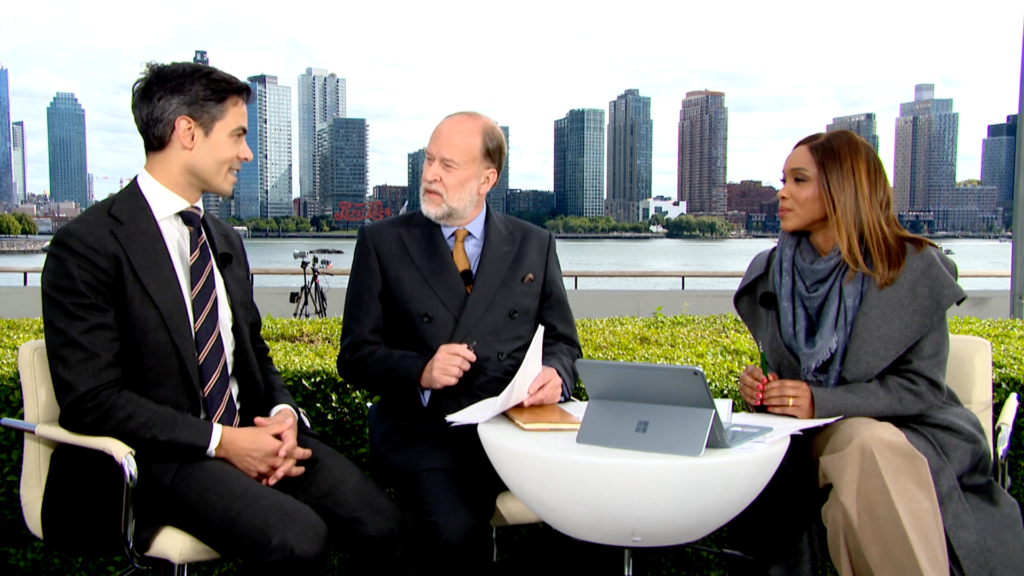
Dutch Prime Minister Rob Jetten has sparked international debate by adopting contrasting positions regarding two controversial world leaders wanted by the International Criminal Court (ICC). Jetten’s stance comes amidst growing global tensions surrounding the ICC’s arrest warrants for Russian President Vladimir Putin and Israeli Prime Minister Benjamin Netanyahu.
The ICC has issued an arrest warrant for Vladimir Putin due to allegations related to war crimes committed during the conflict in Ukraine. The global community has largely condemned Putin’s actions, and the ICC’s invocation reinforces efforts to hold him accountable legally.
In contrast, Israeli Prime Minister Benjamin Netanyahu is also subject to an ICC arrest warrant linked to alleged war crimes during the Israeli-Palestinian conflict. However, Jetten’s approach towards Netanyahu diverges notably from his stance on Putin.
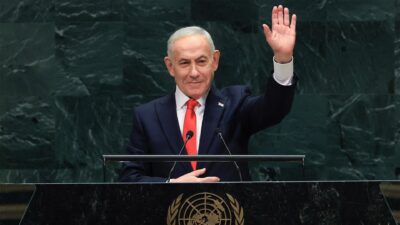
Rob Jetten stated that despite the ICC’s arrest warrant, Netanyahu should still be allowed to attend the upcoming United Nations General Assembly (UNGA). Jetten argues that Netanyahu’s presence at the UNGA is essential for dialogue and diplomatic engagement, which could be critical in addressing ongoing conflicts and fostering peace processes.
This position marks a clear departure from the Dutch PM’s view on Putin, where there is firm support for upholding the ICC’s warrants without exception. Jetten emphasized that Putin’s attendance at international forums should be barred to maintain the credibility and enforcement power of international law.
The contrasting views have sparked discussions regarding the complexities of international law, diplomatic immunity, and political pragmatism. Experts suggest that Jetten’s differentiated stance may reflect geopolitical realities and alliances rather than a straightforward application of justice.
Critics argue that permitting Netanyahu to participate despite an ICC warrant undermines the institution’s authority and sets a problematic precedent. They caution that it risks politicizing international justice mechanisms and weakening the global commitment to accountability.
Supporters of Jetten’s stance say that engaging leaders like Netanyahu at forums such as the UNGA could serve strategic purposes, potentially enabling conflict de-escalation and better communication between opposing parties.
The Dutch Prime Minister also highlighted the importance of maintaining open diplomatic channels, particularly in volatile regions where ongoing tensions threaten broader stability.
Jetten’s approach illustrates the recurring challenge faced by international actors in balancing legal imperatives with diplomatic and geopolitical considerations. It underscores the difficulties in applying international law uniformly across different contexts and actors.
As the UNGA dates near, the international community will closely watch these developments and the responses they elicit from other member states and international bodies.
This episode also revitalizes debate about the ICC’s role, the limits of its jurisdiction, and the broader implications for international justice and peace efforts.
In conclusion, Dutch PM Rob Jetten’s contrasting positions on ICC-wanted leaders Putin and Netanyahu reveal the intricate intersection between law, politics, and diplomacy. His stance underscores ongoing tensions in international governance and the multifaceted challenges faced by leaders striving to navigate a complex global landscape.