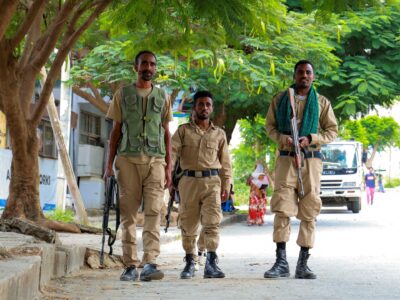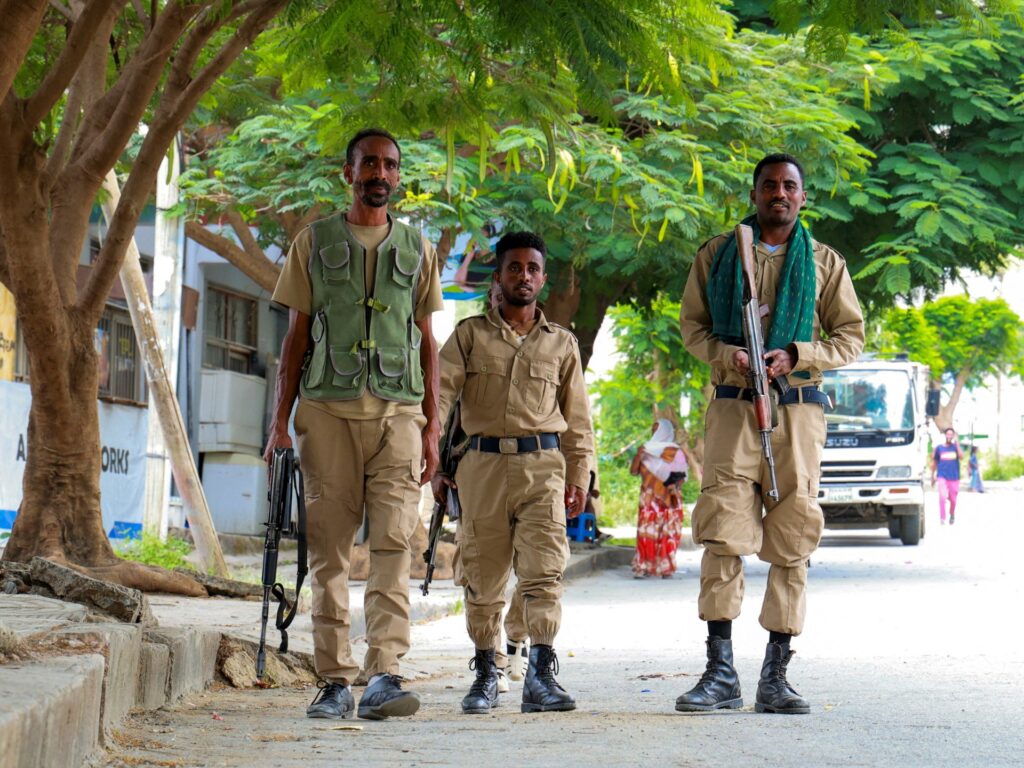
The ongoing conflict between the Ethiopian government and the Tigray People’s Liberation Front (TPLF) has escalated further, with the Ethiopian army reporting that 272 Tigrayan fighters were killed in recent clashes in the Amhara region. This report underscores the intensity of the fighting in the area, where government forces have been engaged in heavy combat operations against TPLF fighters.
The TPLF, which governs the Tigray region, has characterized the situation as a ‘full-blown war’ with the Ethiopian government. This declaration highlights the scale and severity of the confrontation, suggesting that the conflict has moved beyond sporadic skirmishes to more organized and extensive military engagements.
The conflict began as a political and military standoff when tensions between the federal government and the TPLF, once dominant in national politics, escalated after postponed regional elections and disagreements over governance. The situation rapidly deteriorated into armed conflict, drawing in various regional forces and affecting civilian populations.
The latest military developments in the Amhara region mark a critical phase in the conflict. The Ethiopian army’s announcement of such high casualties among Tigrayan fighters points to fierce battles possibly aiming to reclaim contested territories or degrade the TPLF’s military capabilities. Amhara, a neighboring region to Tigray, has become a strategic battleground due to its proximity and political significance.
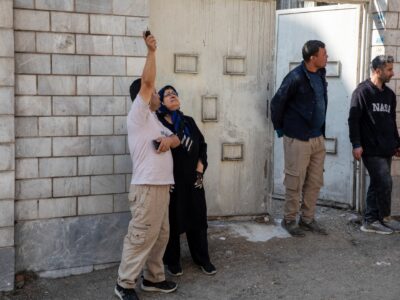
On the ground, the humanitarian impact continues to worsen. Displacement of civilians, disruption of essential services, and reports of human rights violations are increasing concerns for international observers and aid organizations. The conflict has also strained relations between Ethiopia and neighboring countries, with regional stability at risk.
International calls for ceasefire and dialogue have been made, but the situation remains volatile. The TPLF insists on self-defense and political autonomy, while the Ethiopian government emphasizes the restoration of constitutional order and territorial integrity.
Analysts warn that without a negotiated settlement, the conflict could prolong, causing further devastation and instability. The Ethiopian army’s recent casualty report signals ongoing hostilities that could influence both the military and political landscape in Ethiopia and the Horn of Africa.
As the conflict unfolds, the international community monitors the developments closely, urging all parties to seek peaceful resolutions and to prioritize the safety and wellbeing of affected populations. The situation remains fluid, and further updates are expected as fighting continues in key regions like Amhara.