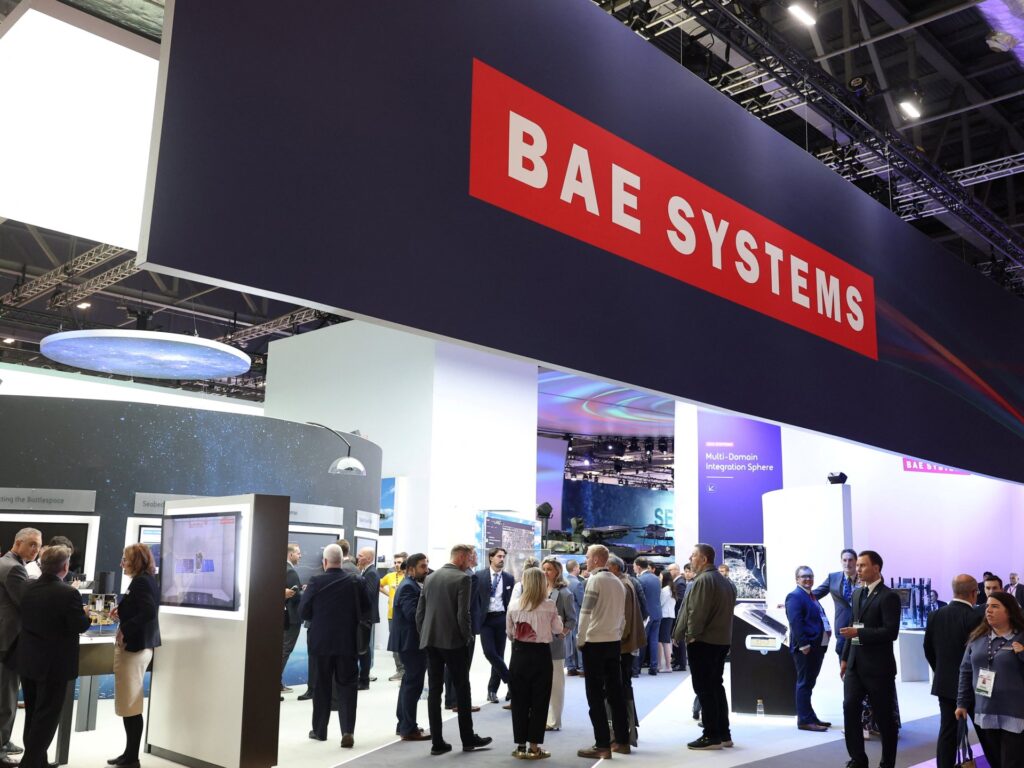
Several prominent UK universities reportedly engaged in briefings with the defense contractor BAE Systems regarding pro-Palestine protests occurring on their campuses. The discussions have sparked significant debate surrounding the potential influence of external entities on university environments and raised critical questions about academic freedom and the appropriate boundaries for corporate involvement in campus activism.
According to sources, multiple universities initiated or participated in meetings with BAE Systems representatives to provide updates and share information about the nature, development, and scale of pro-Palestine demonstrations organized by students and campus groups. These briefings were intended to keep the defense firm informed, but the move has attracted scrutiny from various stakeholders concerned about how defense interests could intersect with university governance and campus life.
BAE Systems, a major British multinational defense, security, and aerospace company, has strategic interests in maintaining a certain stance on international conflicts, including those involving Israel and Palestine. The company’s involvement in discussions about campus protests—particularly those espousing pro-Palestine sentiments—has prompted fears that universities may be compromising their neutrality or enabling corporate monitoring of student activism.
Critics argue this relationship could undermine academic freedom by creating an environment where students and faculty may feel surveilled or pressured regarding political expression. They emphasize that universities should remain spaces where diverse views can be freely expressed without interference from outside political or commercial interests.
University administrators defend the briefings by stating that communication with external partners, including industry stakeholders, is part of maintaining campus safety and security. They stress that these discussions are about sharing objective information rather than exerting control or influence over campus events.
The debate highlights an ongoing tension within universities as they navigate complex landscapes involving activism, corporate relationships, and the protection of free speech. In recent years, UK campuses have seen increased activism around international issues, with pro-Palestine protests becoming particularly visible amid escalations in the Middle East conflict.
Some advocacy groups emphasize the right of students to engage in political protest, especially on issues related to human rights and international justice. They warn against any attempts to monitor or suppress activism, viewing such actions as detrimental to the values of open inquiry and democracy that universities are meant to uphold.
The situation also reflects broader questions about the role of defense companies in civilian sectors and the extent to which their interests should intersect with academic institutions. As universities increasingly seek partnerships with industry, the boundaries of such relationships remain a subject of scrutiny and debate.
In conclusion, the revelation that UK universities briefed BAE Systems on pro-Palestine protests has sparked an important conversation about influence, transparency, and the preservation of academic freedom in contemporary higher education. Stakeholders across the spectrum call for clear policies and safeguards to ensure that university campuses continue to serve as forums for free and open discourse, free from undue external pressures.