The Authenticity and Modernity Party (PAM), a political faction aligned with the monarchy in Morocco, is emerging as the leading party in the nation’s recent parliamentary elections according to provisional results. PAM secured an impressive 97 seats out of the total 395 in the Moroccan parliament.
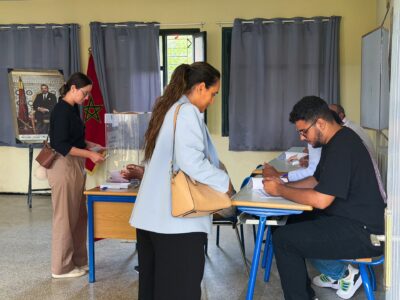
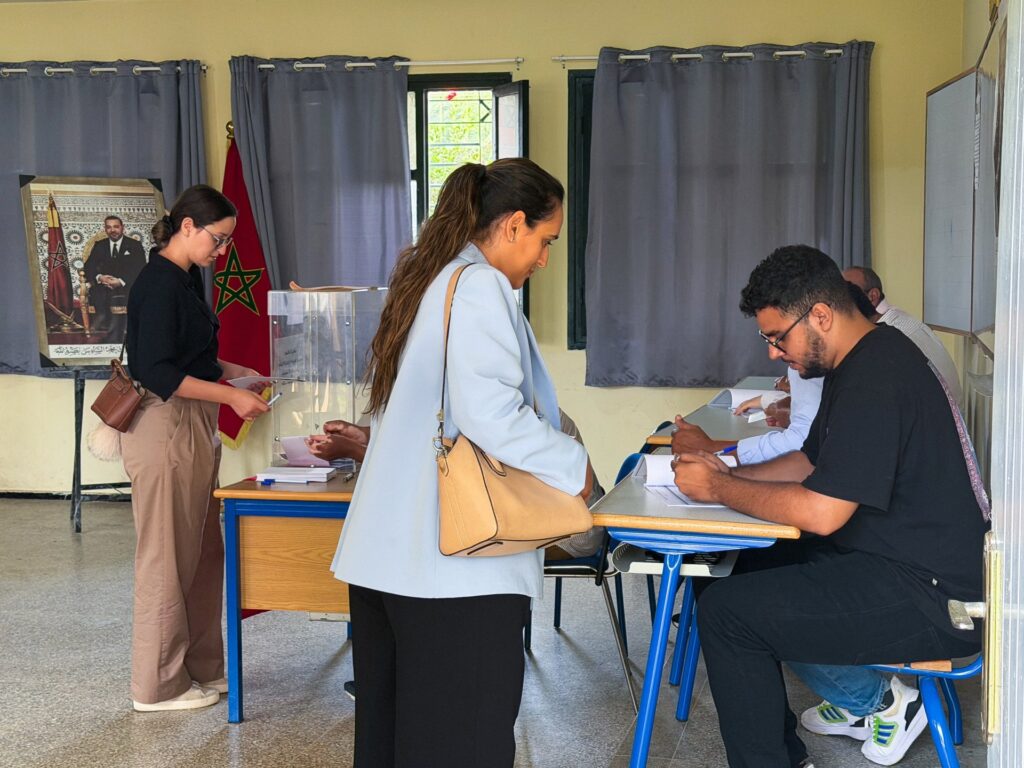
The election has been marked by a significant decrease in voter turnout, which fell to just 38 percent. This low participation rate reflects growing public apathy and skepticism towards the political process in Morocco. Analysts suggest that various factors, including political disenchantment and socio-economic challenges, have contributed to the diminished electoral engagement.
Despite the reduced turnout, PAM’s success positions it as a dominant force in Morocco’s political landscape. The party’s alignment with the monarchy has historically granted it substantial influence over governmental policies and decision-making processes, which continue to shape the country’s governance.
The parliamentary seats distribution resulting from this election will dictate Morocco’s legislative agenda in the coming years, with PAM expected to play a central role. Their gain in seats underscores the electorate’s support for continuity and stability under the monarchy’s auspices, even as calls for greater political reform and democratization persist among various segments of Moroccan society.
Other political parties, including opposition and reformist groups, faced challenges in expanding their parliamentary presence amidst a competitive and tightly controlled electoral environment. Their limited gains reflect ongoing struggles to galvanize wider public support and effectively challenge the status quo.
Observers note that the election outcomes may reinforce the existing power structure while prompting debates about the need for electoral reform and increased political plurality in Morocco. The constitutional framework continues to provide substantial authority to the monarchy, with PAM serving as a critical partner in maintaining this arrangement.
The government and stakeholders are expected to analyze the election results closely, aiming to address citizens’ concerns and possibly explore measures to boost future electoral participation. Efforts to engage younger voters and marginalized communities may be pivotal in enhancing Morocco’s democratic processes moving forward.
In summary, the monarchy-aligned Authenticity and Modernity Party’s leading position in the parliamentary elections, coupled with low voter turnout, highlights both the enduring influence of established political forces in Morocco and the challenges facing democratic engagement in the country. The coming months will be critical in determining how these dynamics evolve and impact Morocco’s political future.