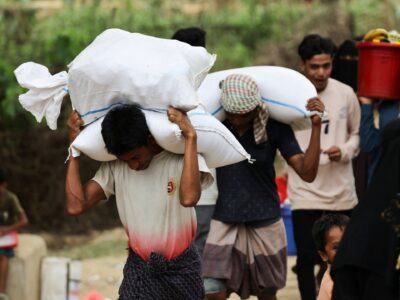
Cox’s Bazar, Bangladesh — Refugees residing in the sprawling Cox’s Bazar settlement are witnessing significant hardships due to drastic funding cuts imposed by the United Nations. The reduction in critical financial support is directly affecting the availability of essential services for thousands of displaced persons living in one of the world’s largest refugee camps.
The settlement, which primarily houses Rohingya refugees who fled violence in Myanmar, has relied heavily on UN assistance to provide basic necessities such as food, healthcare, education, and shelter. However, recent budget constraints and global economic challenges have led to a substantial scaling back of aid programs managed by various UN agencies.
Local and international aid workers report alarming declines in the distribution of food rations and medical supplies, with severe consequences for the vulnerable refugee population, including children, women, and the elderly. The cuts have hindered vaccination campaigns and limited access to mental health support, compounding the already dire conditions in the camp.
Health clinics within the settlement are struggling to operate efficiently amid shortages of medicines and medical equipment. The lack of adequate sanitation services is raising concerns about potential outbreaks of communicable diseases, exacerbated by overcrowded living conditions.
Education initiatives, critical in providing a sense of normalcy and hope for young refugees, have also been disrupted. Teachers and educational staff face salary reductions, leading to the closure of some learning centers and diminished classroom attendance.
Humanitarian organizations operating in Cox’s Bazar are calling for urgent intervention and increased funding to prevent further deterioration of living standards. They emphasize that sustained international support is crucial not only for meeting immediate survival needs but also for fostering long-term resilience among refugees.
Officials from Bangladesh’s government have reiterated their commitment to supporting the refugees but have highlighted the necessity of global cooperation and assistance to manage the crisis effectively.
The UN has acknowledged the funding challenges and is actively seeking additional resources through global appeals and partnerships. However, it warns that without immediate financial injections, many aid programs risk suspension, potentially depriving thousands of refugees of their basic rights and protections.
The situation in Cox’s Bazar underscores the broader vulnerability of displaced populations worldwide who depend on international aid amidst fluctuating geopolitical and economic landscapes. Ensuring continuous support for such communities remains a pressing humanitarian priority.