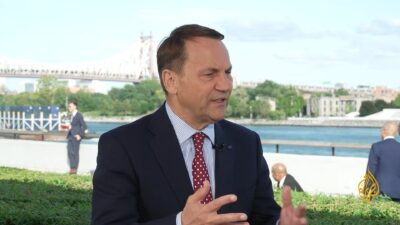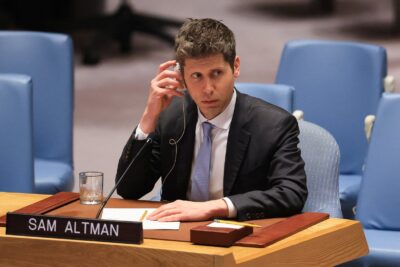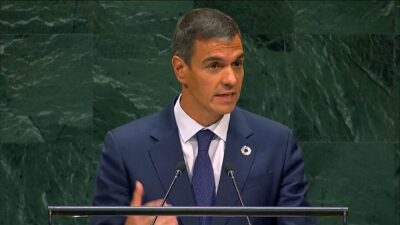
The uneven pace of development among nations remains a pressing global concern. At the recent United Nations General Assembly (UNGA), delegates from Iran, Syria, and Kenya poignantly addressed how war and systemic injustice have profoundly distorted the trajectory of development in many countries.
Development disparities are a result of a complex interplay of historical, political, economic, and social factors. While some countries have achieved rapid growth and modernization, others continue to grapple with poverty, conflict, and inequality. The voices from Iran, Syria, and Kenya emphasized that conflict and injustice are among the most significant barriers to equitable development.
Iran highlighted the devastating effects of prolonged economic sanctions and geopolitical conflicts on its economy and society. These pressures have severely limited access to essential resources and hampered sustainable development initiatives, perpetuating cycles of hardship.
Syria’s representative underscored the catastrophic impact of ongoing civil war, which has led to massive displacement, destruction of infrastructure, and a collapse of basic services. The conflict has not only devastated lives but also reversed decades of developmental gains, trapping the nation in a state of humanitarian crisis.
Kenya brought attention to structural injustices including inequality, corruption, and inadequate governance that hinder development. Despite being a regional economic powerhouse, Kenya continues to face significant challenges such as poverty, youth unemployment, and socio-political tensions that obstruct its full potential.
These nations collectively called for greater international cooperation to address the root causes of conflict and injustice. They stressed the importance of peacebuilding, fair trade, debt relief, and increased support for development programs, especially in conflict-affected regions.
Experts agree that sustainable development requires a holistic approach that incorporates governance reforms, social inclusion, and conflict resolution. War not only destroys resources but also diverts funds away from essential services like health, education, and infrastructure.
Injustice, on the other hand, manifests in unequal access to opportunities, systemic discrimination, and exploitation, which deepen poverty and social divisions.
Addressing these issues is vital for achieving the United Nations’ Sustainable Development Goals (SDGs), which seek to promote prosperity and peace globally.
The discussions at UNGA highlight that the path to global development is not simply about economic indicators but must include human rights, political stability, and equitable resource distribution.
For nations to thrive, the international community must commit to creating an environment where all countries, regardless of their past or present challenges, can pursue sustainable growth and development.
In conclusion, the disparities in global development are deeply intertwined with issues of war and injustice. To close these gaps, comprehensive actions that promote peace, justice, and inclusive development are essential. The UNGA discussions serve as a powerful reminder of our shared responsibility to foster a more just and prosperous world for all.