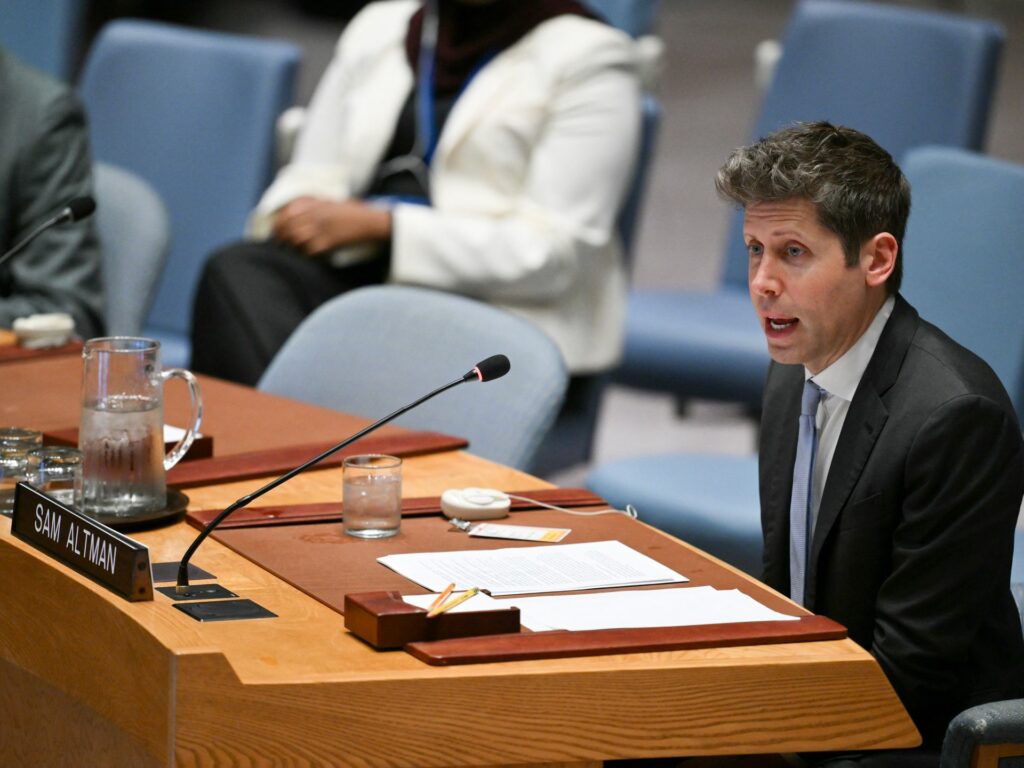
In a significant move highlighting the urgency of regulating artificial intelligence, the CEOs of OpenAI and Anthropic have jointly called for comprehensive global AI regulation during discussions at the United Nations. This plea comes as AI technologies rapidly advance and become increasingly integrated into numerous aspects of society, raising concerns about safety, ethical use, and long-term impacts.
The leaders emphasized the necessity for an international framework that can effectively manage the development and deployment of AI systems. They argued that without coordinated regulation, the risks of misuse, unintended consequences, and global competitive tensions could escalate, potentially leading to harmful outcomes both politically and socially.
OpenAI’s CEO pointed out that AI’s transformative potential comes with substantial responsibility, urging countries to collaborate on setting guardrails that ensure AI benefits humanity broadly and equitably. Likewise, the Anthropic CEO highlighted the importance of preemptive governance structures to mitigate risks associated with powerful AI models, advocating for transparency, accountability, and safety in AI innovation.
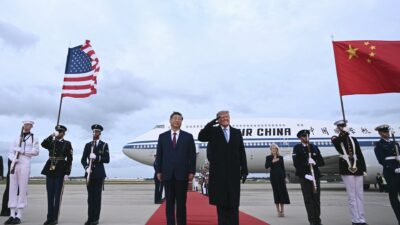
This call for regulation contrasts with the current stance of the Trump administration, which has been hesitant to implement new regulatory frameworks specifically aimed at AI technology. Critics of the administration’s approach argue that the lack of proactive government intervention could leave critical safety issues unaddressed and create an uneven playing field internationally.
Industry leaders have underscored the global nature of AI challenges, noting that unilateral or fragmented policies are insufficient in addressing the cross-border implications of AI advancements. The CEOs’ appeal at the UN is part of a broader movement among technology firms, policymakers, and civil society advocating for a balanced approach that fosters innovation while prioritizing safety and ethical standards.
The joint statement from OpenAI and Anthropic comes amid growing concerns about AI’s role in disinformation, privacy breaches, and automation-related economic shifts. The CEOs stressed that proactive regulation could facilitate responsible innovation, helping to guide AI development in ways that maximize positive impacts and minimize harms.
As the international community deliberates on AI governance, this high-profile appeal aims to catalyze momentum for global cooperation. The CEOs’ initiative reflects a recognition that AI’s potential can only be harnessed safely through shared principles, rigorous oversight, and a commitment to public good.
In conclusion, the joint call by OpenAI and Anthropic’s leaders for global AI regulation at the United Nations marks a pivotal moment in the ongoing discourse about the future of AI governance. Their advocacy highlights the need for a unified international strategy to address the complex challenges posed by artificial intelligence, contrasting with more cautious or resistant positions from certain political quarters. The coming months may prove crucial in determining how the world shapes the rules that govern one of the most powerful technologies of our time.