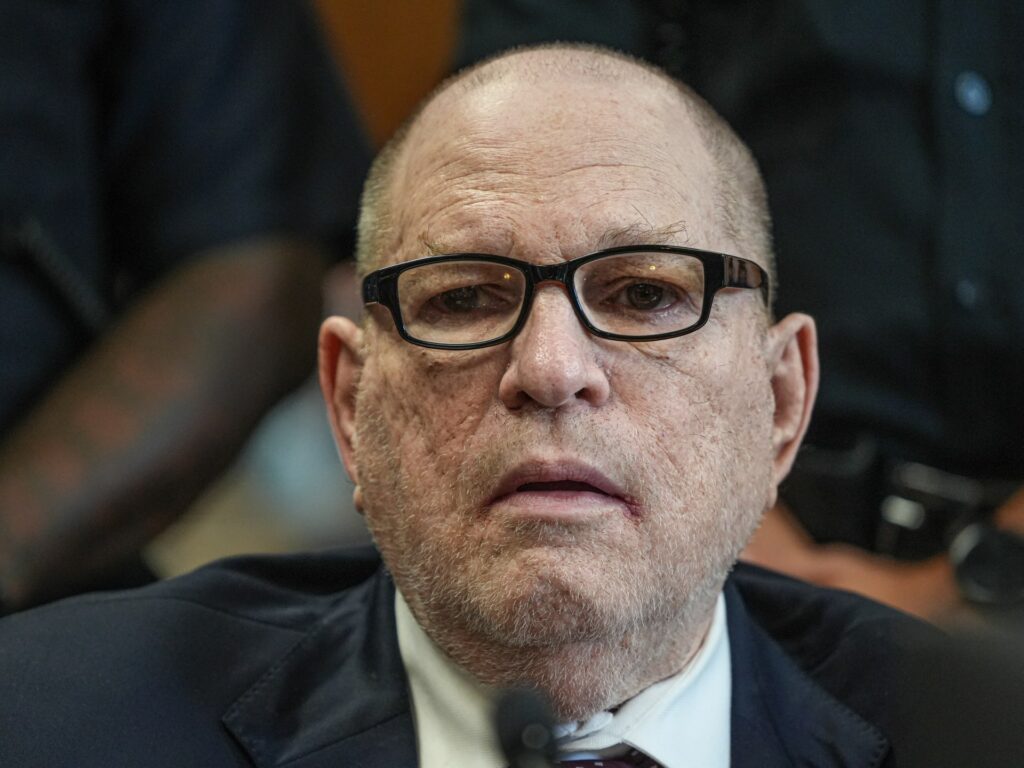
The high-profile legal saga of Harvey Weinstein culminated with a New York court sentencing the disgraced film producer to 15 years in prison following a retrial for sexual assault. This ruling marks the conclusion of more than six years of legal battles that started after Weinstein’s initial conviction for sexually assaulting a television production assistant.
Harvey Weinstein, once a powerful figure in Hollywood, faced numerous allegations of sexual misconduct over the years. The retrial and its sentencing focus on specific charges stemming from the case that originally brought him to justice, highlighting the challenges of prosecuting cases linked to decades-old abuse.
Weinstein’s initial trial had resulted in a conviction that shocked the entertainment industry and amplified the #MeToo movement, which exposed widespread sexual harassment and abuse within various sectors, including Hollywood. The new sentence of 15 years stems from the New York state charges specifically related to sexual assault and related offenses.
The legal journey, marked by appeals and hearings, underscores the complexity and persistence required in seeking justice for victims of sexual abuse. Weinstein’s sentencing sends a strong message about accountability and the ongoing societal reckoning with abuse of power and sexual violence.
Supporters of Weinstein have maintained his innocence, but the court’s decision ultimately reinforced the severity of his actions and the need for consequences. Advocates for victims hailed the sentence as a victory for survivors who have often struggled to have their voices heard.
The Weinstein case has had far-reaching impacts beyond the courtroom, influencing policymaking around sexual harassment laws and workplace safety regulations. It has also sparked global conversations about consent, power dynamics, and the importance of supporting survivors.
As Weinstein begins serving his sentence, many view this moment as a cautionary tale about the consequences that can follow unchecked abuse and exploitation of power. While the legal chapter may be closing, the cultural and social dialogue initiated by this case continues to evolve, reflecting a broader shift toward justice for sexual assault victims across all industries and communities.