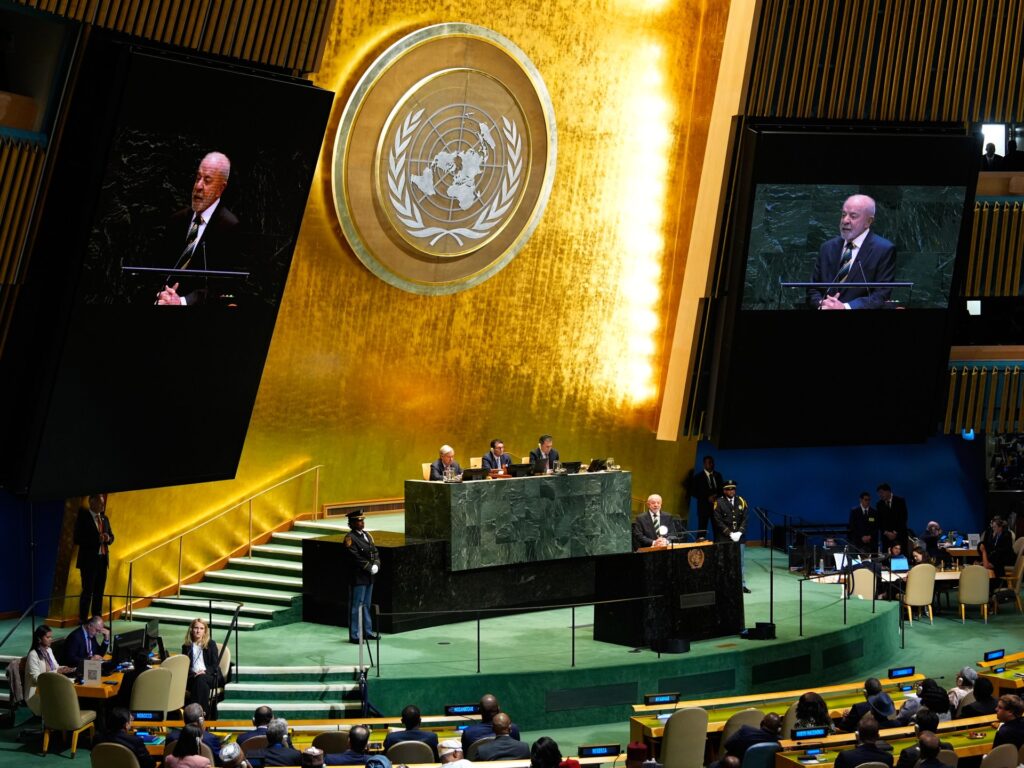
The United Nations, the world body established to promote international cooperation and peace, is confronting a multifaceted crisis amid increasing unilateral actions by major global powers. Experts warn that the UN’s effectiveness is being undermined by chronic issues such as funding shortages, questions over its relevance, and persistent gridlock within the Security Council.
Funding uncertainties have become a serious challenge for the UN. Many member states are delaying or withholding their financial contributions, which impairs the organization’s ability to carry out peacekeeping operations, humanitarian assistance, and development programs. The UN relies heavily on assessments from member countries, and disruptions in this flow of funds threaten the stability of its mission-critical activities.
Relevance is another significant concern. As power dynamics shift globally, the traditional framework of the UN is being questioned. Emerging nations demand a greater role in decision-making processes, while some argue that the UN’s mechanisms have not adapted sufficiently to contemporary geopolitical realities. This has led to calls for reform of the Security Council and other principal organs to better reflect the current state of international affairs.
The UN Security Council, in particular, remains mired in deadlock. The veto power wielded by the five permanent members (the United States, Russia, China, France, and the United Kingdom) often results in stalemates on critical issues, limiting the UN’s ability to respond effectively in conflicts and crises around the world. Experts highlight that these impasses erode the Council’s credibility and hinder the organization’s overall mission.
Furthermore, the unilateral actions of major powers exacerbate these difficulties. When influential nations bypass the UN framework to pursue their own national interests, it not only diminishes the organization’s authority but also undermines the collective decision-making process essential for global governance.
The current geopolitical landscape, characterized by rising tensions and competition among major powers, reflects the challenges faced by multilateral institutions like the UN. While some member states advocate for strengthening the UN to maintain international order, others prefer patterns of bilateral or selective cooperation that circumvent the organization.
Experts suggest possible pathways forward, including renewed commitment from member states to uphold the UN’s financial obligations and invest in institutional reform. There is also a push for expanding the Security Council to include more representative members, potentially reducing the monopoly of the permanent five and encouraging more consensus-driven approaches.
In addition, improving transparency and accountability within the UN system is seen as vital to restoring trust among member nations and the global public. A reinvigorated UN could play a pivotal role in tackling transnational threats such as climate change, pandemics, and terrorism, which require coordinated international responses.
Despite these daunting challenges, the UN remains a unique platform for diplomatic dialogue and multilateral cooperation. The coming years will test whether it can evolve and maintain its central place in the international system or whether unilateral power politics will continue to undermine its foundational principles.
As global affairs grow increasingly complex, the future of the United Nations hangs in the balance, with experts urging decisive action to navigate the crisis and safeguard the ideals of peace, security, and human rights it was created to promote.