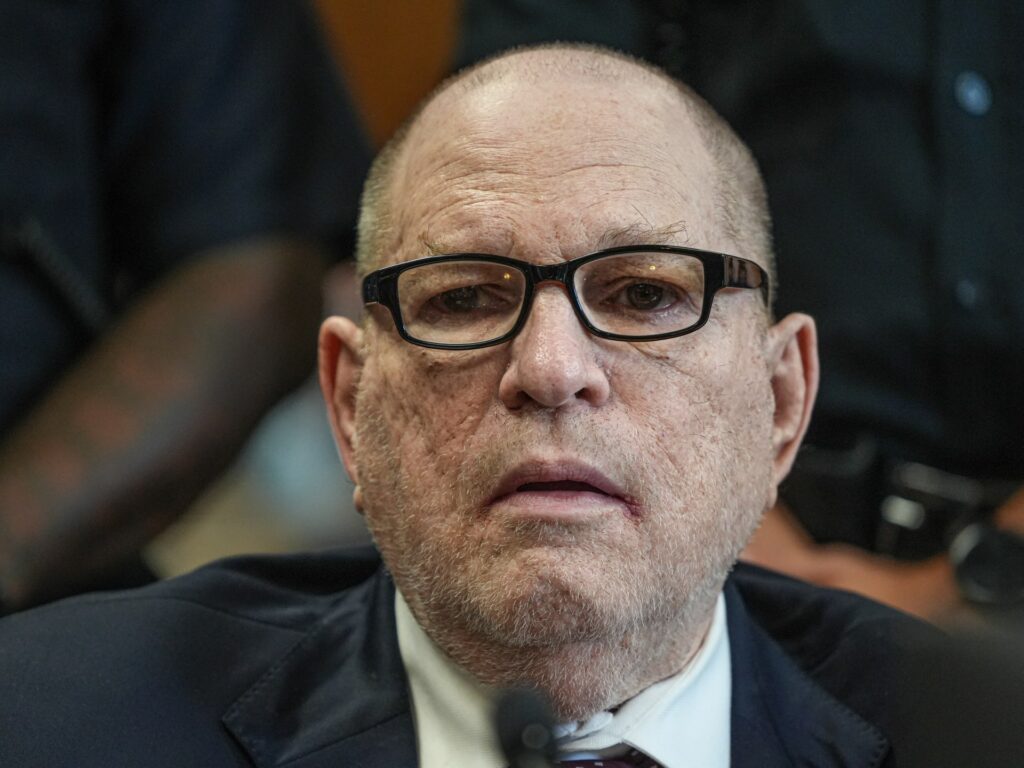
Harvey Weinstein, the disgraced Hollywood producer, has been sentenced to 15 years in prison following a retrial on sexual assault charges. This sentence marks the culmination of six years of legal battles stemming from Weinstein’s initial conviction for sexually assaulting a television assistant.
The retrial was prompted due to procedural issues in the earlier case, but the latest verdict reconfirms Weinstein’s culpability in the sexual misconduct allegations that first came to light in 2017. These accusations triggered the global #MeToo movement, leading to a wider conversation on sexual harassment and assault within the entertainment industry and beyond.
Weinstein’s initial conviction in 2020 had sentenced him to 23 years in prison, but the retrial has adjusted the sentence to 15 years. During the retrial, the courts revisited the evidence presented against Weinstein and found him guilty once again of sexually assaulting a TV production assistant, a young woman whose accusations helped to unravel his abusive behavior.
The legal proceedings against Weinstein have been complex and drawn out, impacting survivors and inspiring activists to push for reforms in how sexual assault cases are handled in the legal system. This resentencing encourages ongoing discourse about accountability for powerful individuals and protection for victims of sexual violence.
Harvey Weinstein’s conviction and sentencing highlight the serious consequences of sexual misconduct and abuse of power in high-profile industries. The case serves as a cautionary tale both within Hollywood and across various sectors where similar abuses may have been overlooked or ignored.
Survivors of Weinstein’s actions have expressed relief and a sense of justice following this ruling. Moreover, the case has reinforced the importance of believing victims and ensuring that legal systems adequately support those who come forward with allegations of sexual assault.
The 15-year sentence signifies a strong message from the judiciary that sexual assault, regardless of the perpetrator’s status or influence, will not be tolerated or go unpunished. It closes a significant chapter in a case that has been watched closely by millions around the world.
This landmark case continues to inspire changes in policies aimed at preventing sexual harassment and supporting survivors. As society progresses, the Weinstein trial remains a pivotal moment illustrating the power of survivors’ voices and the necessity for justice and reform.
Harvey Weinstein’s sentencing is likely to have long-standing repercussions in the entertainment industry, encouraging organizations to cultivate safer environments and promoting a culture where individuals can work without fear of harassment or abuse. The legal victory also restores faith in the justice system’s ability to confront and punish even the most powerful offenders.
In conclusion, the sentencing of Harvey Weinstein to 15 years in prison is not only a resolution to a protracted legal saga but also a significant milestone in the fight against sexual violence. It underscores the critical need for vigilance and continued advocacy to protect vulnerable individuals and uphold justice across all areas of society.