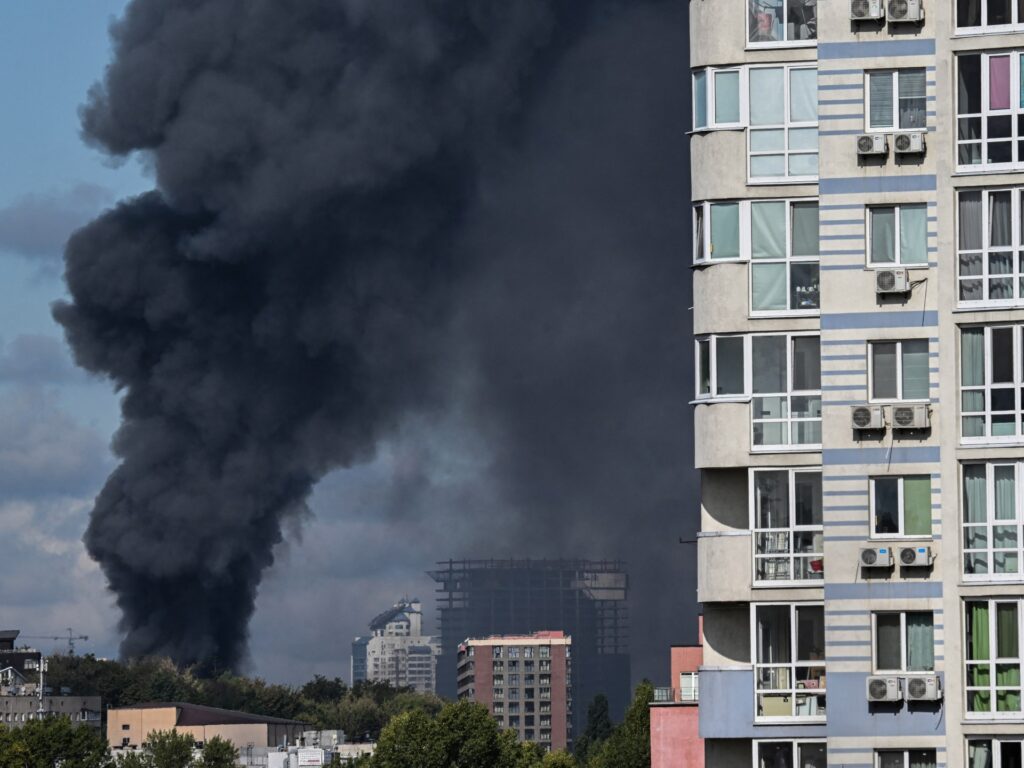
Recent missile and drone strikes carried out by Russian forces on Ukraine’s capital city, Kyiv, and the Donetsk region have resulted in the deaths of six individuals. These attacks underscore the continuing escalation of violence in the region, despite ongoing diplomatic efforts to find a resolution. The strikes come on the heels of a significant meeting between Ukrainian President Volodymyr Zelenskyy and former U.S. President Donald Trump.
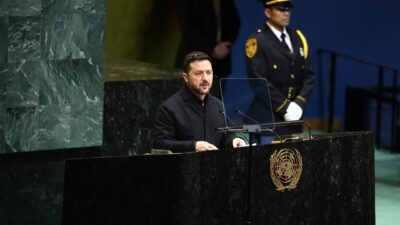
On Tuesday, Zelenskyy held discussions with Trump, focusing on the possibility of negotiating a bilateral ceasefire. A key aspect of these talks centered on energy-related targets, which have been a major focus of military operations and have contributed heavily to the disruption of civilian life on both sides. The dialogue represents an effort to explore avenues for reducing hostilities, particularly regarding infrastructure critical to civilian energy supplies.
The conflict between Russia and Ukraine has been ongoing for several years, with periods of intense fighting and uneasy truces. The recent resurgence of strikes marks a continuation of the hostilities, creating a precarious situation for civilians caught in the crossfire. The death toll from these latest attacks adds to the growing humanitarian concerns in the region.
International observers have expressed alarm over the increased targeting of urban centers and vital energy infrastructure. These actions have not only resulted in loss of life but have also jeopardized access to electricity and heating for thousands of residents, especially as the region approaches colder months.
President Zelenskyy’s meeting with Donald Trump was notable not only for its timing but also for the renewed focus on diplomatic engagement. The conversation about a ceasefire specifically targeting energy-related infrastructure suggests a strategic approach to minimizing civilian suffering while potentially paving the way for broader peace discussions.
While the talks appear promising, experts caution that achieving a sustainable ceasefire will require cooperation from all parties involved and a robust enforcement mechanism. Both Ukraine and Russia have historically viewed energy infrastructure as a critical leverage point, making agreements in this area particularly sensitive.
The international community continues to watch closely as the situation develops. Any progress toward a ceasefire could have significant implications for regional stability and the humanitarian situation. Conversely, ongoing violence threatens to deepen the crisis and complicate future peace efforts.
In summary, the recent deadly strikes on Kyiv and Donetsk highlight the ongoing volatility in Ukraine amidst renewed diplomatic efforts. The Zelenskyy-Trump discussions represent a hopeful step toward addressing some of the conflict’s most damaging aspects, particularly energy-related attacks. However, much remains uncertain about the prospects for a lasting ceasefire and the broader resolution of hostilities between Russia and Ukraine.