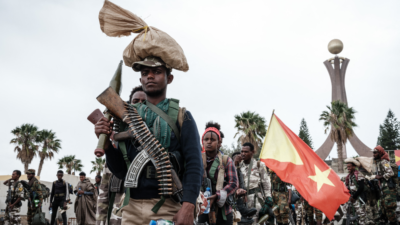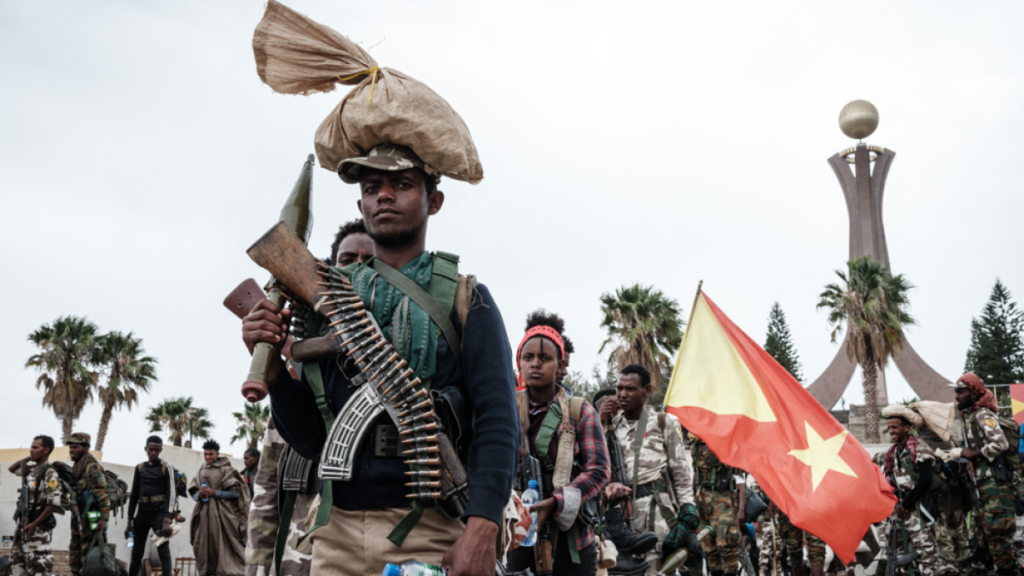
Ethiopia is once again on the brink of war, as seven distinct armed groups have formed an alliance with the declared objective of overthrowing the current government. This alarming development has sparked widespread concern both within the region and internationally about the potential for escalated conflict and instability.
The alliance represents a formidable consolidation of opposition forces, each of which had previously operated independently with various grievances against the government. Now, by joining forces, they pose a significantly heightened threat to the country’s fragile peace. Officials and analysts warn that this could lead to intensified violence, displacement of civilians, and a deeper humanitarian crisis.
Ethiopia has a history of complex ethnic and political tensions that have frequently resulted in conflict. The government, led by Prime Minister Abiy Ahmed, has undertaken multiple reforms and peacebuilding efforts, but these have been challenged by ongoing disagreements and power struggles among ethnic factions and political groups.
The seven armed groups include representatives from different ethnic communities and political movements, signaling a broad coalition united by frustration with the federal system and grievances over governance, resource allocation, and autonomy. Their coordinated offensive aims to disrupt government control and gain territory, potentially plunging the country into widespread violence.
International observers and organizations have expressed alarm at these developments. Humanitarian agencies are preparing for possible increases in displacement and are urging all parties to seek peaceful dialogue. Neighboring countries have also voiced concern over the potential regional impact, given Ethiopia’s strategic importance in the Horn of Africa.
The Ethiopian government has condemned the alliance’s actions, vowing to defend the nation’s sovereignty and maintain order. Military forces have reportedly been mobilized to counter the offensive, raising fears of escalation into a full-scale civil war.
The renewed conflict threatens to undermine significant progress made in recent years on economic development and social reforms. It also endangers fragile peace agreements and could lead to widespread human rights abuses and loss of life.
Experts emphasize the urgent need for inclusive political dialogue that addresses the root causes of the conflict. They call for mediation efforts involving all stakeholders to prevent further deterioration of the security situation.
As Ethiopia stands at this critical crossroads, the international community watches closely, hoping for a peaceful resolution but preparing for the possibility of renewed warfare. The situation highlights the ongoing challenges facing Ethiopia’s multi-ethnic society and the complexities of building sustainable peace in a highly diverse nation.
The coming weeks will be crucial in determining whether dialogue can prevail or if the country will descend into renewed conflict with profound consequences for its people and the wider region.