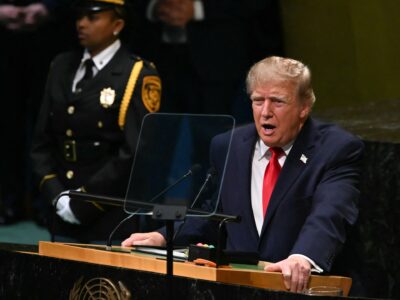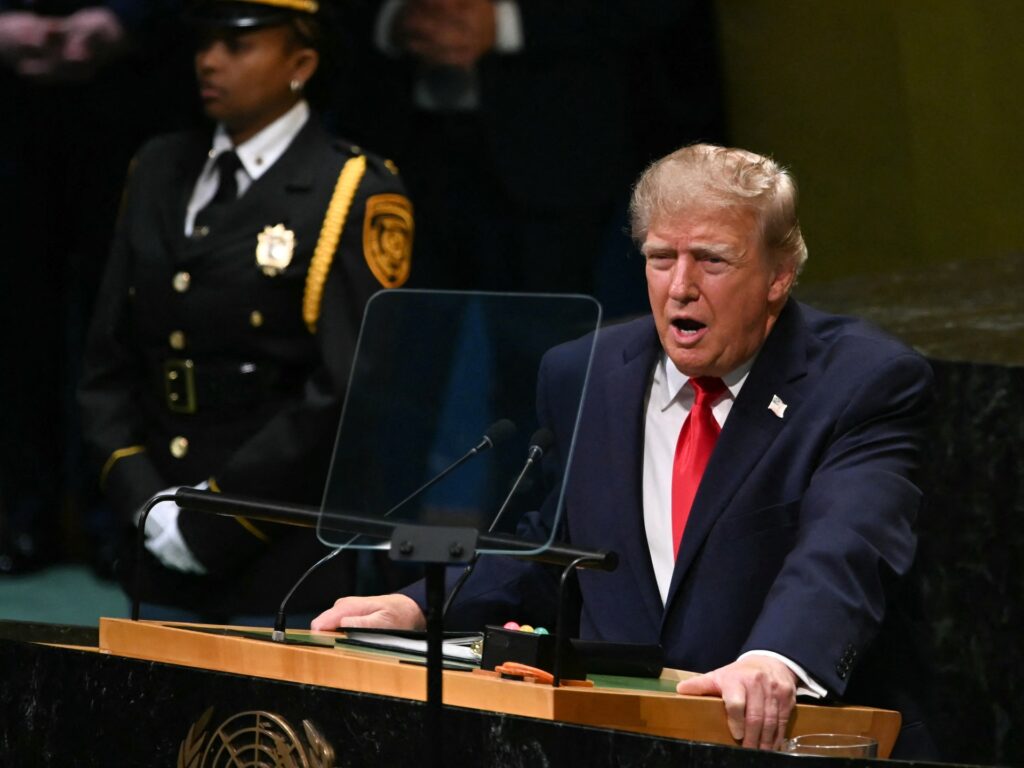
Tensions between Iran and the United States have escalated sharply as both nations engage in a war of words amidst ongoing diplomatic talks. The situation intensified when former U.S. President Donald Trump used the term “annihilate” in reference to Iran, a statement that quickly drew attention and sparked fierce reactions from Tehran.
In a dramatic turn, Trump threatened to “annihilate” Iran, a phrase laden with hostile intent and severe implications. This incendiary language was accompanied by a paradoxical mention of diplomacy, which many observers found contradictory given the aggressive tone of the threat.
Iran responded promptly and sternly, vowing a “crushing” reaction to any such moves by the U.S. The Iranian leadership’s choice of the word “crushing” underscored their readiness to counter any aggressive action, signaling a potential for severe military or strategic responses.
The background of these sharp exchanges lies in the ongoing diplomatic talks aimed at addressing the complex issues surrounding Iran’s nuclear program and broader geopolitical concerns. While these negotiations have been underway for some time, the rhetoric from both sides threatens to undermine any progress and increase the risk of confrontation.
Analysts note that Trump’s use of the term “annihilate” serves as an extreme form of brinkmanship, possibly intended to project strength or influence the negotiations through intimidation. However, such language also heightens the danger of miscalculation or inadvertent escalation.
Tehran’s decision to respond with a “crushing” threat reflects its determination to maintain a strong stance against perceived U.S. aggression. This posture serves both domestic political purposes—demonstrating resolve to Iranian citizens—and strategic aims, warning Washington of dire consequences.
The international community has expressed concern over this rhetoric escalation. Many experts caution that inflammatory language could derail diplomatic efforts and provoke unintended consequences in a region already fraught with tension and conflict.
Efforts to revive or sustain nuclear talks and broader diplomatic engagements face significant hurdles amid this backdrop of aggressive speeches. Both Tehran and Washington face internal pressures and divergent strategic objectives, complicating the road ahead.
The Trump administration’s renewed aggressive rhetoric contrasts with previous periods where more measured language facilitated incremental negotiation progress. This shift in tone underscores the volatility of U.S.-Iran relations and the delicate nature of diplomacy in high-stakes disputes.
Iran’s warning of a “crushing” response is a reminder of the longstanding adversarial relationship between the two nations, rooted in decades of mistrust, hostile policies, and conflicting regional ambitions.
As talks continue, international mediators and observers urge restraint and dialogue, emphasizing the catastrophic risks of military confrontation or breakdown of diplomacy.
In summary, the verbal battle between Tehran and Washington over threats of “annihilation” and “crushing” retaliation reflects broader geopolitical fault lines and the high tension surrounding Iran’s role in regional security and nuclear development.
The outcome remains uncertain, but both sides face considerable pressure to avoid escalation and find pathways to constructive engagement, balancing national security concerns with the urgent need for peace and stability in the Middle East.