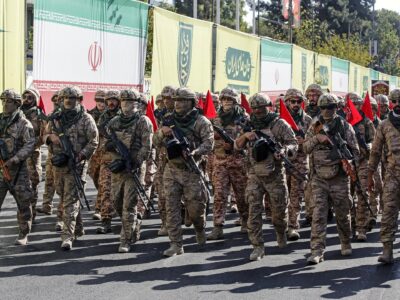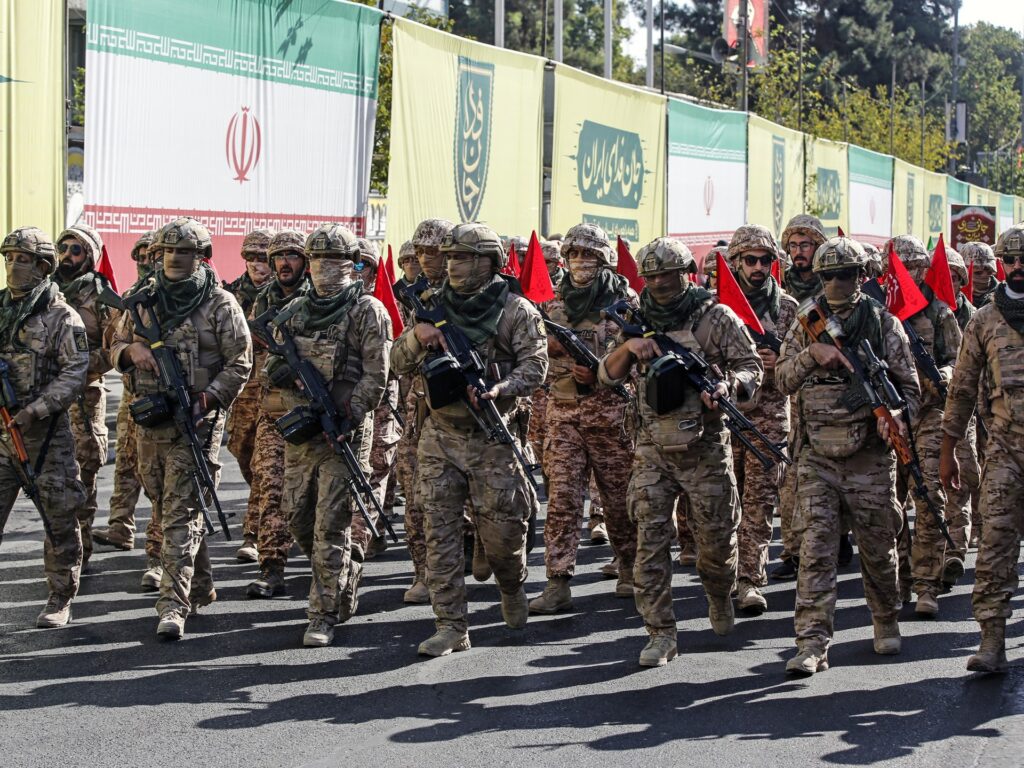
Tensions in the ongoing conflict involving Iran have escalated as recent threats by former US President Donald Trump prompted a sharp response from Tehran. The Iranian government criticized Trump’s statements, asserting that they “demonstrate America’s strategic dead end” amidst the nearly seven-month-long war.
The confrontation highlights the increasingly precarious geopolitical landscape in the Middle East, which has been marked by conflict, sanctions, and diplomatic strife. Tehran’s official spokesperson condemned Trump’s rhetoric, suggesting that such threats reflect a failure of the American approach to the crisis.
Since the conflict began, Iran has been involved in a complex struggle with multiple regional and international actors, with repercussions felt beyond its borders. The nearly seven-month war has seen intensified military engagements, economic sanctions, and a persistent diplomatic standoff.
Iran’s message conveyed through its statements underscores a sense of resilience and refusal to be cowed by external threats. The government emphasized that America’s aggressive posturing fails to achieve its intended objectives, instead isolating the US strategically.
Experts analyzing the situation note that the US, under Trump’s leadership, adopted a hardline stance aimed at exerting maximum pressure on Iran through economic sanctions and military threats. However, this approach has often been criticized for exacerbating tensions without yielding substantial concessions from Tehran.
The Iranian response suggests a determination to pursue its interests regardless of external intimidation. Tehran’s officials have continued to assert their sovereignty and resist what they describe as attempts to undermine their national stability.
The international community has expressed concern over the escalation, calling for de-escalation and dialogue to prevent a broader regional conflict. The sustained war has also resulted in significant humanitarian consequences, aggravating the region’s instability.
As the conflict persists, diplomatic channels remain limited, with trust deficits between the parties involved. The latest exchange of threats underlines the difficulty of finding peaceful resolutions in the near term.
Analysts warn that sustained conflict and provocative rhetoric could further destabilize the Middle East, with unpredictable consequences for global security and energy markets. The strategic dead end, as described by Tehran, reflects a broader impasse requiring renewed diplomatic efforts.
In summary, Tehran’s condemnation of Trump’s threats as indicative of America’s strategic dead end underscores the complexity and enduring nature of the conflict. Without constructive engagement, the war risks continuation, with detrimental impacts on the region and beyond.