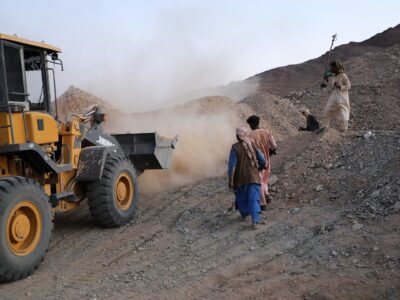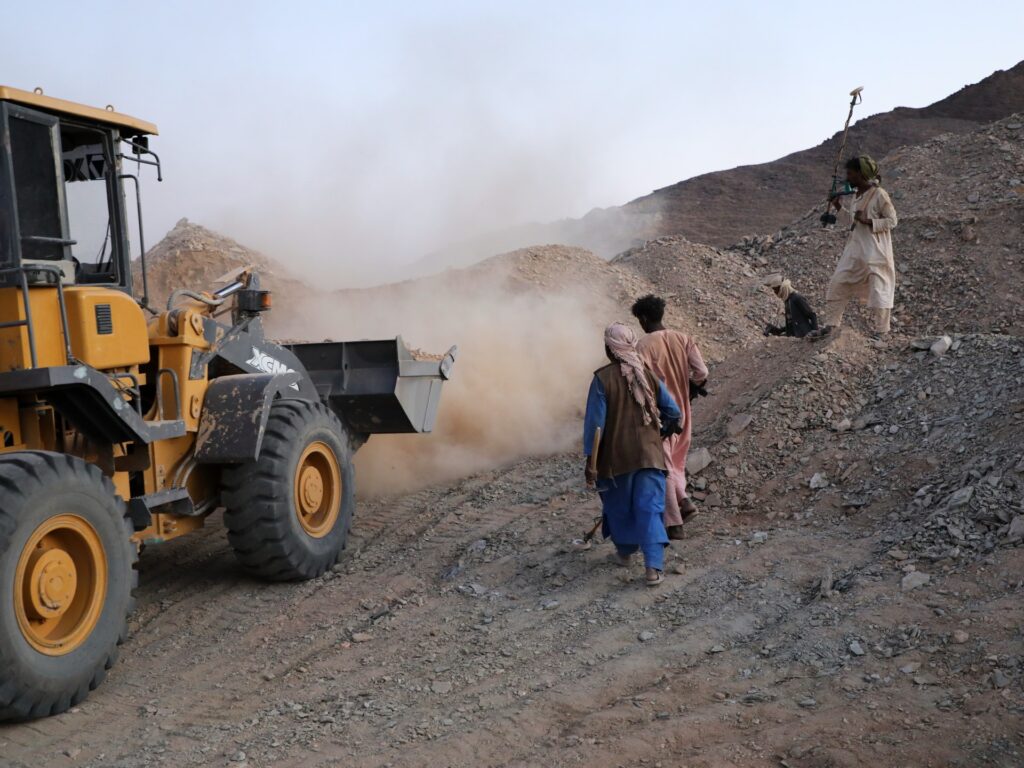
Sudan has recently witnessed a tragic incident that has drawn attention to the deadly hazards faced by miners in one of its gold mines. In the span of just a few days, nearly 100 people have lost their lives due to a collapse in the gold mine, highlighting the severe risks miners confront in their desperate search for livelihood.
The country’s ongoing war and economic turmoil have exacerbated the situation, leading to a surge in gold mining as people seek alternative sources of income. With the Sudanese economy shattered, the value of gold has skyrocketed, creating a frantic rush among thousands desperate for financial stability.
The collapse underscores the hazardous conditions rampant in these mining operations. Mines are frequently poorly regulated, lacking safety protocols, adequate infrastructure, and proper equipment, which makes them perilous workplaces. Many miners work informally or illegally, digging deep into unstable tunnels without any professional oversight or support.
Moreover, the war has destabilized the region, limiting government control and the ability to enforce regulations, thereby allowing hazardous mining practices to proliferate unchecked. The desperation caused by wartime disruptions has pushed many civilians to brave these unsafe environments, hoping to earn enough gold to support their families.
The drive to extract gold isn’t just about wealth; it has become a means of survival for many Sudanese, who face unemployment and poverty in the wake of persistent conflict. The mines have turned into sites of informal economies, where miners risk their lives daily for a chance at a better future.
Humanitarian experts warn that without immediate intervention, these tragedies will continue. They call for urgent measures to improve mining safety, provide alternative employment opportunities, and address the root causes of economic hardship linked to the ongoing war.
International organizations and the Sudanese government are being urged to collaborate on solutions that can stabilize the region and protect vulnerable populations engaged in mining activities. The goal is to create safer conditions and reduce the exploitation of desperate workers.
This deadly event is a grim reminder of the interconnectedness of economic despair, conflict, and human risk. As Sudan struggles to rebuild, addressing these challenges is vital to prevent further loss of life and to foster a more stable and secure society.
In conclusion, the collapse of Sudan’s gold mine is not just a mining disaster but a symbol of the broader crisis facing the country. It showcases the deadly consequences of war-driven desperation and the urgent need for comprehensive efforts to safeguard miners and revive the nation’s economy.