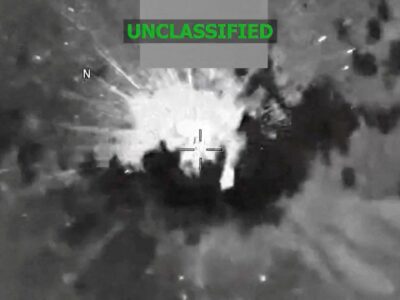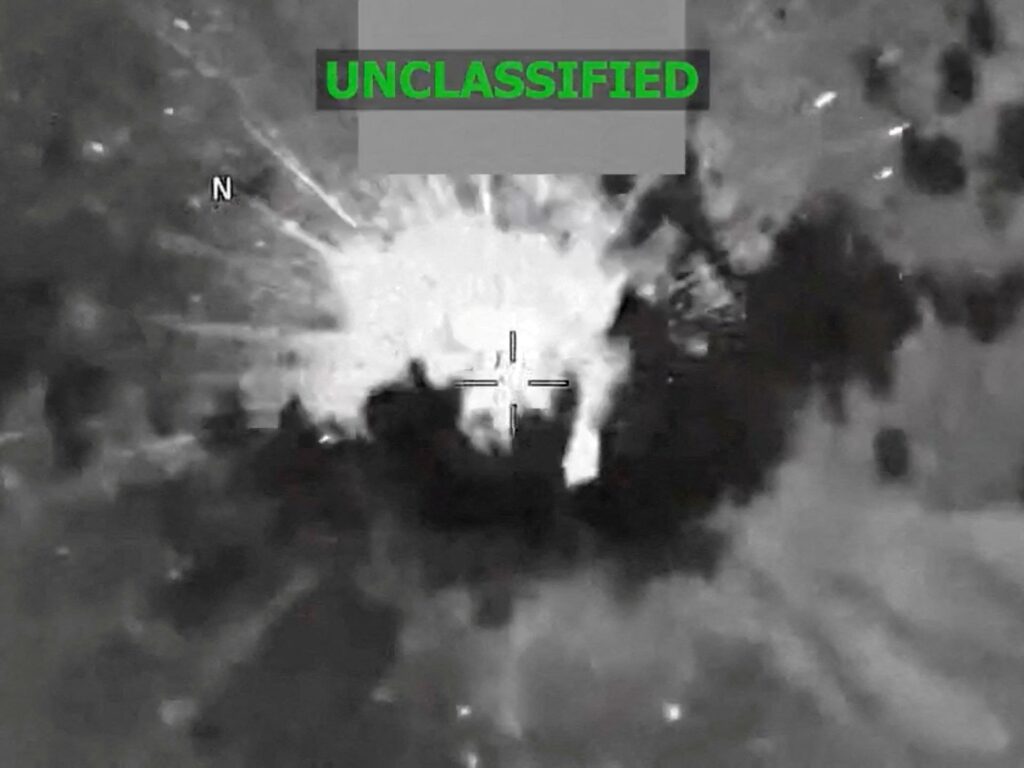
The United Nations has expressed grave concerns regarding recent U.S. military operations targeting boats alleged to be involved in drug trafficking. A UN expert has reported that over the past year, U.S. forces have conducted 68 strikes in the Caribbean and Pacific regions, resulting in the deaths of 223 people.
These operations, aimed at combating drug smuggling, have sparked a significant controversy within international circles. The UN expert’s report suggests that the scale and nature of these strikes could potentially constitute “crimes against humanity,” a severe accusation that emphasizes the need for thorough investigation and international accountability.
The U.S. military campaigns against drug trafficking vessels are part of broader efforts to disrupt global narcotics networks. However, questions about the legality, proportionality, and collateral damage of these strikes have intensified following the UN expert’s findings.
Critics argue that the operations have disproportionately targeted vessels without adequate evidence of illicit activity, leading to excessive loss of life. They call for urgent transparency in operational assessments, clearer rules of engagement, and adherence to international humanitarian law.
On the other hand, U.S. officials defend their actions as necessary to combat the pervasive threat of drug trafficking, which fuels violence and instability in the affected regions. They emphasize efforts to minimize civilian casualties and maintain compliance with legal standards.
The UN’s call for examination comes amid growing global scrutiny of military interventions in drug enforcement and the broader implications for human rights. It highlights the complex balance between enforcing law and protecting human dignity.
International legal experts suggest this situation could set a precedent for how anti-drug military operations are conducted in the future. There is increasing pressure for the U.S. to cooperate with international bodies investigating these incidents to ensure accountability and justice for potential victims.
Additionally, human rights organizations are urging the international community to reexamine the strategies employed in the war on drugs, advocating for more humanitarian and diplomatic approaches rather than militarized enforcement.
This development serves as a crucial reminder of the need to uphold international legal frameworks governing military conduct and human rights, regardless of the objectives pursued.
As investigations continue, the global community watches closely, anticipating outcomes that may influence not only U.S. military policy but also international norms concerning the use of force in counter-narcotics efforts.
The unfolding case also raises broader ethical and strategic questions about the role of military force in addressing complex social issues like drug trafficking. It challenges policymakers to reconsider how to effectively respond to illicit activities while safeguarding civilian lives.
In conclusion, the UN’s assertion that U.S. strikes on suspected drug boats might constitute crimes against humanity marks a pivotal moment in international relations and law enforcement. It underscores the urgent need for transparency, accountability, and adherence to human rights in all military operations, especially those targeting vulnerable populations at sea.