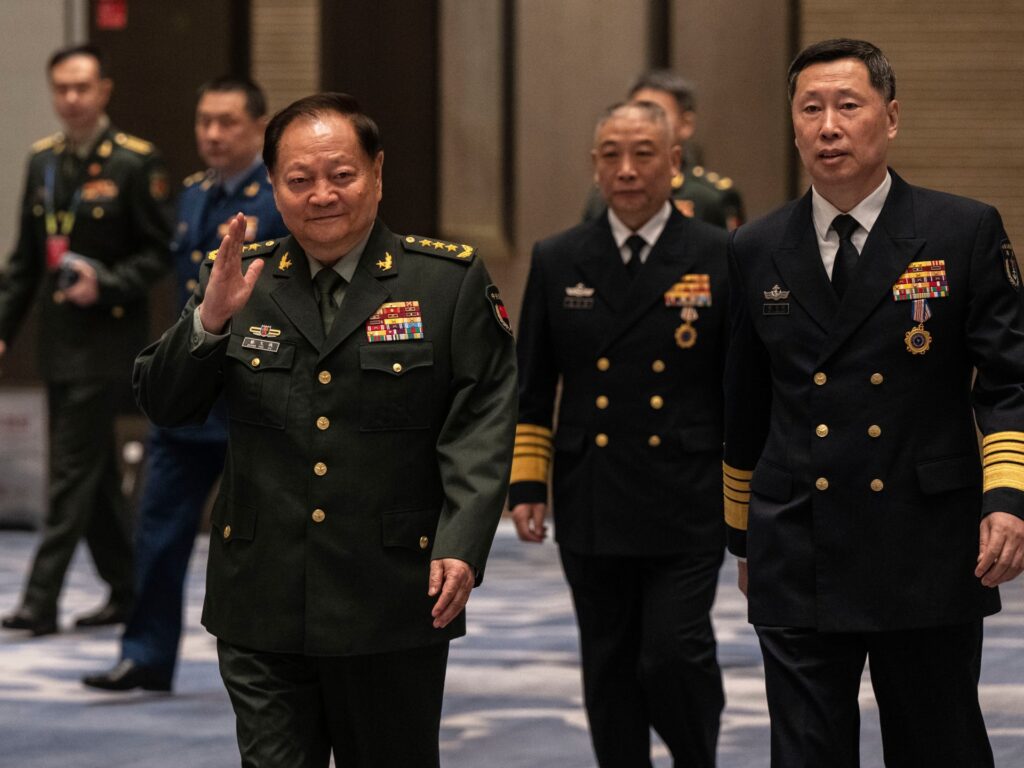
China continues its rigorous anti-corruption campaign by expelling two high-ranking military generals from the Communist Party. These top military leaders were removed for allegations of corruption and disloyalty, marking a significant development in the government’s ongoing efforts to enforce discipline within its ranks.
The purge of these senior officers underscores China’s commitment to rooting out corruption and ensuring loyalty to the party’s leadership. Both generals held influential positions in the military, making their expulsion a strong message to others in the armed forces about the consequences of unethical conduct and lack of allegiance to the Communist Party.
This action is part of a broader anti-corruption drive initiated by President Xi Jinping, targeting officials at all levels of government and the military. Since coming to power, Xi has made anti-corruption one of his key priorities, aiming to strengthen the party’s control and restore public confidence.
The expelled generals were accused of engaging in corrupt practices, which may include embezzlement and abuse of power. Additionally, they were deemed ‘disloyal’ to the party, a serious charge signaling possible dissent or undermining party unity.
China’s military, known as the People’s Liberation Army (PLA), has been under increased scrutiny as the leadership seeks to modernize and consolidate its power. The removal of these two top officials serves both to cleanse the military of corrupt influences and to reinforce the centralized control that President Xi is formalizing.
Observers note that the anti-corruption campaign has several strategic aspects, including tightening discipline, enhancing operational efficiency, and eliminating factions that might threaten Xi’s leadership.
The military elite in China traditionally held significant autonomy, but recent purges suggest a shift towards tighter party oversight. This shift is expected to affect military decision-making and the chain of command, aligning it more closely with Xi’s vision for China’s future security and defense policies.
Such high-profile expulsions also have a deterrent effect, warning other officials in the military and government about the risks of corruption and disloyalty. It demonstrates the Communist Party’s intent to maintain strict control and loyalty within its ranks to uphold stability and order.
The broader public and international observers are closely watching China’s internal military reforms and political purges, as they signal the trajectory of China’s domestic politics and its implications for regional security.
In summary, the expulsion of these two top military leaders is a pronounced step in China’s ongoing anti-corruption drive and party discipline enforcement. It affirms President Xi Jinping’s determination to strengthen party control over the military, combat corruption, and maintain political stability within the country.
As China moves forward, the consequences of these purges will likely influence the structure and loyalty dynamics of the military, while reinforcing the party’s dominance in all aspects of governance and security.