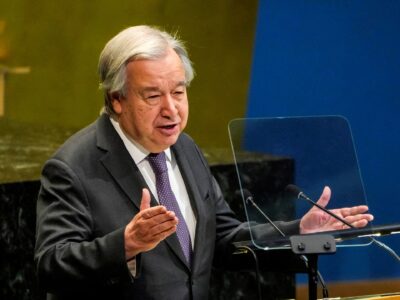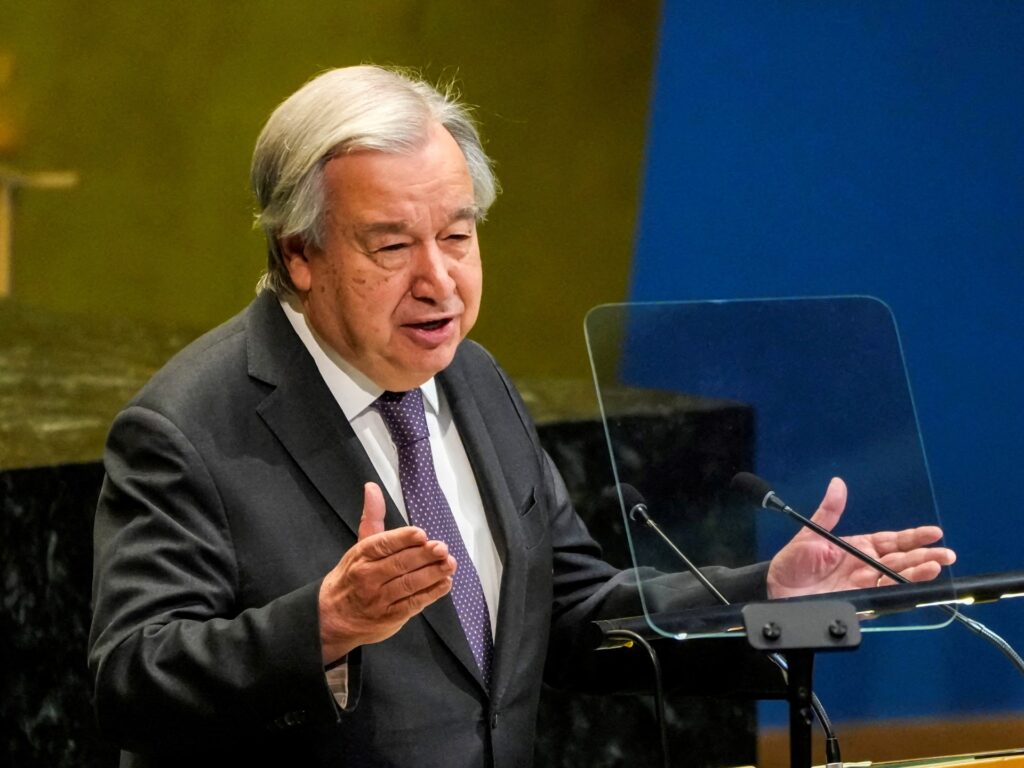
In a grim assessment of the current global political climate, United Nations Secretary-General António Guterres has expressed deep concern over the worsening state of the world, attributing much of the turmoil to the paralysis of the UN Security Council. As the principal body responsible for maintaining international peace and security, the Security Council’s inability to take decisive action has hampered efforts to resolve ongoing conflicts and address urgent global crises.
Guterres emphasized that the paralysis stems largely from geopolitical divisions among the Council’s permanent members, whose veto powers often block consensus on critical issues. This deadlock has resulted in delayed or ineffective responses to conflicts, humanitarian emergencies, and threats to global stability.
The Secretary-General’s stark remarks come as his tenure is set to conclude on December 31 of this year, with no successor formally appointed. This leadership transition adds an element of uncertainty to the already complex challenges facing the UN and the international community.
During his term, Guterres has called for greater cooperation and reform within the UN system, urging member states to overcome national interests in favor of collective action. Despite these efforts, the international arena remains fragmented, with growing threats including armed conflicts, climate change, and humanitarian disasters.
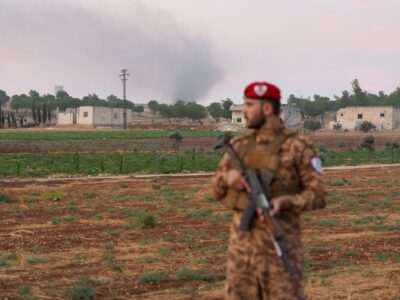
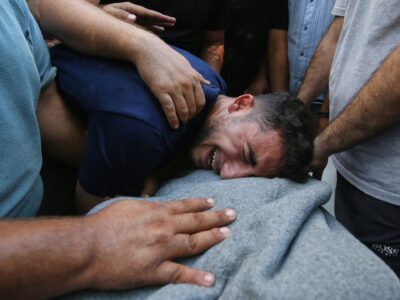
The paralysis of the Security Council not only undermines the UN’s credibility but also jeopardizes the safety and welfare of populations worldwide. Conflicts in regions such as the Middle East, Africa, and Eastern Europe continue unabated, with limited avenues for effective UN intervention.
Experts note that the Council’s dysfunction has emboldened rogue actors and intensified proxy wars, complicating peace efforts. Without a revitalized and active Security Council, the world risks deeper instability and increased human suffering.
As the international community awaits the appointment of Guterres’ successor, many hope that new leadership may usher in renewed commitment to the UN’s foundational goals. However, addressing the structural and political challenges within the Security Council will require concerted diplomacy and willingness to compromise.
In the meantime, Secretary-General Guterres’ final months in office will likely focus on urging member states to prioritize global peace and security, emphasizing that the world’s future hinges on collective resolve and effective multilateral cooperation.
The ongoing geopolitical tensions, amplified by the UN body’s stalemate, highlight an urgent need for reform and reinvigorated dialogue to restore the UN’s role as a fulcrum for international peace. Failure to do so may lead to further deterioration in global stability, with widespread consequences for nations and peoples across the world.