In the ongoing conflict involving Iran and its neighbors, fresh developments have emerged as Tehran outlines specific conditions for peace while Saudi forces report thwarting a significant attack in Riyadh. The situation continues to evolve with key military and diplomatic actions marking the latest phase of tension in the region.
Iran’s security chief has publicly declared that Tehran’s terms for achieving peace involve an immediate cessation of hostilities on all battlefronts. This demand underscores Iran’s position that a comprehensive, multi-front truce is essential for lasting stability.
Additionally, Tehran is insisting on the removal of the United States’ naval blockade in the region. The blockade has been a contentious issue, critically impacting shipping lanes and the regional economy, and Iran views it as a primary obstacle to peace and reopening of diplomatic dialogue.
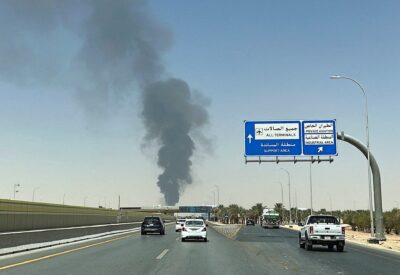
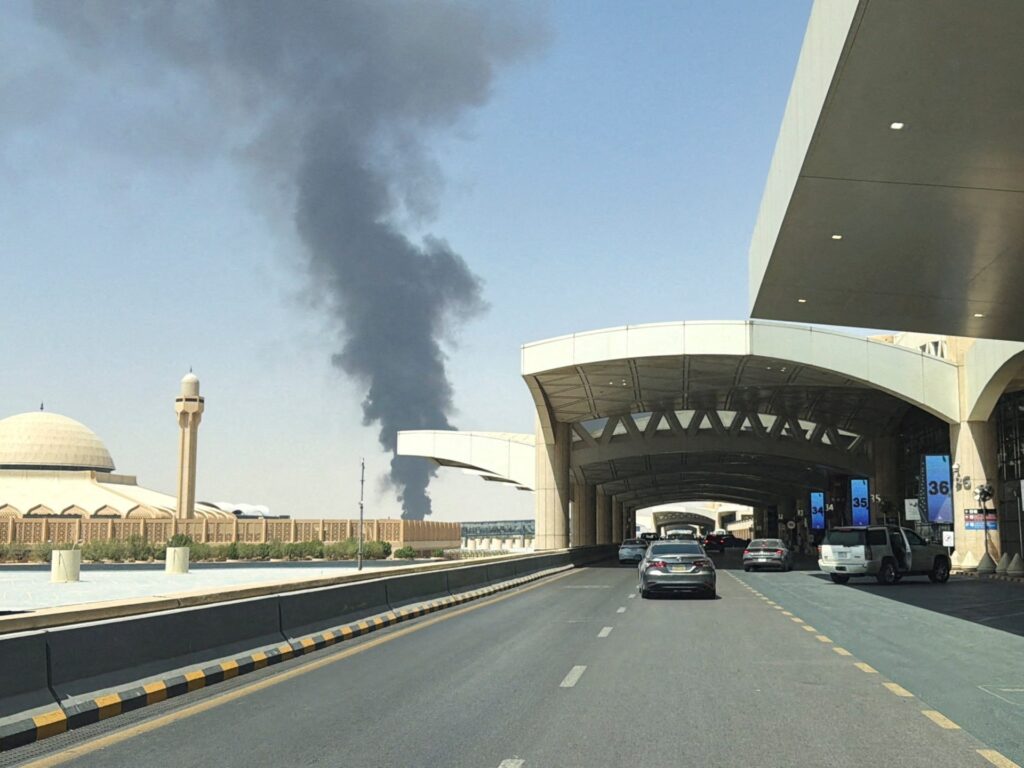
Meanwhile, Saudi Arabia has reported a significant security success within its capital. Saudi security forces have foiled an attack aimed at Riyadh, thereby preventing potential casualties and damage. Official statements confirm the rapid response and effective countermeasures taken by Saudi forces to neutralize the threat.
This security incident in Riyadh highlights the fragile and volatile nature of the current conflict environment, with cross-border tensions frequently impacting civilian and governmental areas.
The demands from Iran come amid ongoing international efforts to mediate and de-escalate the conflict, which has drawn widespread concern from global powers and neighboring countries. Discussions regarding ceasefires, humanitarian aid, and lifting of sanctions are ongoing in several diplomatic forums.
Observers note that Tehran’s insistence on an end to war along all fronts and lifting the US naval blockade sets a challenging framework for peace talks. These terms reflect Iran’s strategic priorities and its desire to restore regional influence while securing economic lifelines.
On the other side, Saudi Arabia’s swift action against threats within its capital illustrates its preparedness and determination to safeguard national security amidst ongoing regional instability.
As conflict dynamics remain fluid, both diplomatic engagements and military readiness continue to define the trajectory of peace efforts. The international community watches closely, hoping that these developments might eventually lead to dialogues and resolutions that reduce hostilities.
In summary, the latest updates from the Iran war highlight Tehran’s conditions for peace stressing cessation of hostilities and lifting of naval blockades, alongside Saudi Arabia’s successful prevention of an attack in Riyadh, marking key points in the complex geopolitical conflict shaping the Middle East today.