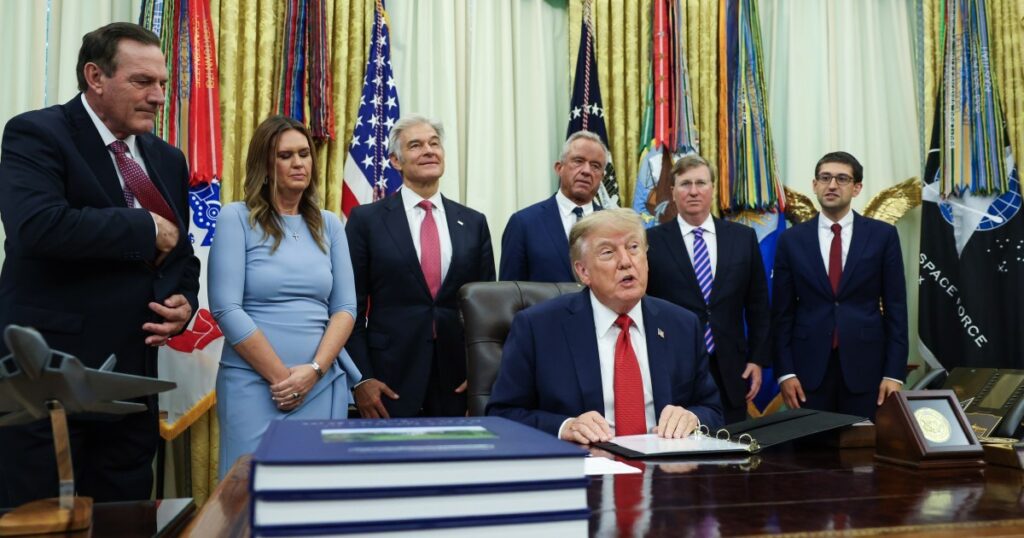
The recent actions by former President Donald Trump to ban certain news outlets, including CNN, from White House events have sparked widespread debate about the limits of presidential authority and freedom of the press. Trump’s ban represents the latest in a series of confrontations with media organizations he perceives as unfavorable to his administration.
Under the U.S. Constitution, the First Amendment protects freedom of speech and of the press. This includes the right of the public and journalists to receive information and the government’s obligation not to suppress or discriminate against particular news outlets based on their editorial stances.
However, the White House, as an executive office, controls access to certain areas and events, such as the daily press briefings and official ceremonies. The administration can issue press credentials, but those credentials can, in theory, be denied or revoked for various reasons.
Despite this, courts have generally held that the government cannot discriminate against the press based on viewpoint. Such actions could be seen as violating First Amendment rights. While the president or White House officials might be able to restrict access temporarily for security or conduct reasons, banning a news organization solely because of critical coverage likely faces legal challenges.
Trump’s ban on CNN and other outlets was part of a broader pattern where his administration frequently labeled mainstream media as “fake news” and openly criticized reporters and media organizations unfavorable to his messaging.
Legal experts emphasize that the White House’s attempts to exclude certain media can be challenged in courts, where constitutional protections for press freedom are upheld strongly. Historically, the press has been considered a watchdog of government, and restricting access threatens democratic transparency.
Furthermore, the ban has raised ethical concerns. Presidents are expected to uphold democratic norms that include respecting diverse viewpoints and allowing the press to fulfill its role without undue censorship or punishment for unfavorable coverage.
In summary, while the White House can control physical access and credentialing under certain conditions, a ban on news outlets solely based on editorial perspective is constitutionally problematic and likely unlawful. Trump’s ban on CNN and similar outlets is part of an ongoing conflict between his administration and the media, reflecting broader tensions around press freedom and political power.