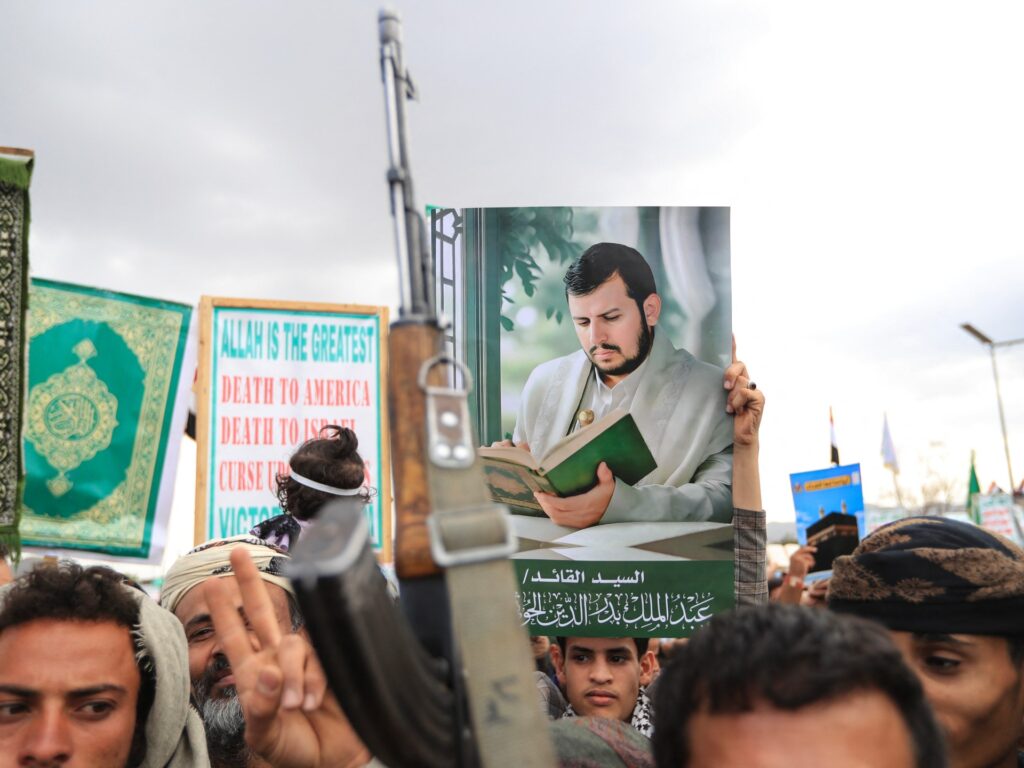
The ongoing war in Yemen has taken a sharp turn as the Houthi movement recently accused Saudi Arabia of launching 26 attacks within a span of just 24 hours. This sudden surge in violence has escalated the already intense conflict between the Yemeni Houthis and the Saudi-led coalition forces.
According to Houthi sources, the coordinated attacks targeted multiple sites across Yemen, causing significant destruction and casualties. The accusations underscore the deteriorating security situation and the challenges faced in achieving a sustainable ceasefire in the region.
Saudi Arabia, which backs the internationally recognized Yemeni government, has in turn condemned the Houthi militias for their continuous rocket and drone attacks across the southern border. The kingdom considers these assaults as direct threats to its national security and a violation of Yemen’s sovereignty.
The conflict, which began in 2014, has resulted in a humanitarian catastrophe, with thousands killed and millions displaced. The international community has repeatedly called for dialogue and peaceful negotiations, but progress remains elusive.
This recent escalation signals a grim outlook as both sides seem locked in a cycle of retaliatory attacks. The Houthis’ accusations come amid reports of increased Saudi airstrikes targeting Houthi positions and infrastructure. Analysts warn that such intensified military actions risk further destabilizing the region.
Efforts by the United Nations and other international actors to mediate have so far failed to broker a lasting peace agreement. The complex interplay of local, regional, and international interests continues to fuel the conflict, making resolution challenging.
The humanitarian impact is severe, with civilians bearing the brunt of the violence. Access to essential services such as healthcare, food, and clean water remains limited in many parts of Yemen, exacerbating the crisis.
In light of these developments, calls for an immediate ceasefire and renewed peace talks are growing louder. Diplomatic efforts must be intensified to prevent further bloodshed and address the underlying issues driving the conflict.
As the war rages on, the international community watches closely, hoping for a breakthrough that could bring stability and relief to the war-torn country. The recent wave of attacks underscores the urgent need for a comprehensive and inclusive approach to peace in Yemen.