In a decisive move to address the ongoing conflict in Ukraine, former President Donald Trump has signed a comprehensive new US law imposing stringent sanctions on Russia. The legislation aims to curb the Kremlin’s ability to finance its war efforts and increase pressure for diplomatic negotiations to end the conflict.
The sanctions represent one of the harshest measures taken by the United States against Russia in the wake of its invasion of Ukraine. They target key sectors of the Russian economy, including energy, finance, and defense, designed to limit Russia’s access to international capital and technology. Additionally, the law expands restrictions on Russian individuals and entities believed to be involved in supporting or facilitating the war.
Key provisions of the law include freezing the assets of top Russian officials and oligarchs, banning significant financial transactions with Russian banks, and prohibiting the export of sensitive technologies that could be used for military purposes. These measures are expected to ripple through Russia’s economy, hindering its capacity to sustain prolonged military activities.
The law also calls for intensified efforts to support Ukraine through humanitarian aid and military assistance. By bolstering Ukraine’s defense capabilities, the United States aims to help Kyiv withstand and repel Russian aggression.
Beyond the economic and military implications, the sanctions send a clear political message stressing that the international community will not tolerate Russia’s actions in Ukraine. The legislation encourages countries worldwide to join in applying collective pressure on Moscow, demonstrating a unified front in support of Ukraine’s sovereignty and territorial integrity.
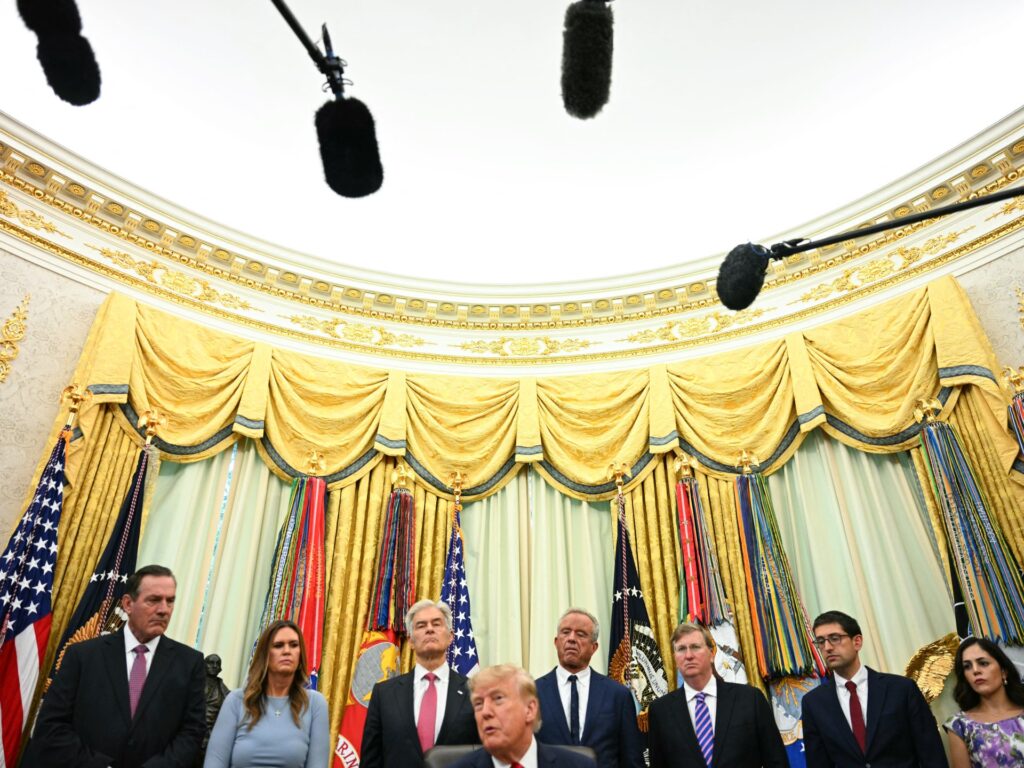
In his statement upon signing the law, Trump emphasized the need for a firm stance against Russia’s invasion, stating that “these sanctions are essential to deter further aggression and to bring Russia back to the negotiating table.”
The law’s passage reflects bipartisan consensus in the US government, highlighting a shared commitment regardless of political divides to counter what is widely seen as an unjust war initiated by Russia. Lawmakers expressed hope that the economic strain will compel Russia to reconsider its position and seek a peaceful resolution.
Experts suggest that while sanctions alone may not end the conflict, they are an important component of a broader strategy combining diplomatic pressure, military support for Ukraine, and efforts to isolate Russia internationally.
The Ukrainian government welcomed the sanctions, praising the United States for its decisive action and reiterating their call for continued international support.
However, the sanctions are expected to provoke retaliatory measures from Russia, which may escalate tensions further. Analysts advise close monitoring of the situation to adapt policies as necessary.
Overall, the enactment of these sweeping sanctions marks a significant step in the international response to the Ukraine war, signaling increased resolve to confront Russia’s aggression and support Ukraine’s sovereignty.