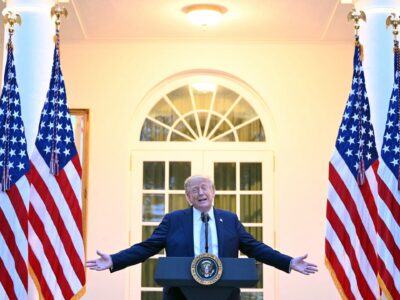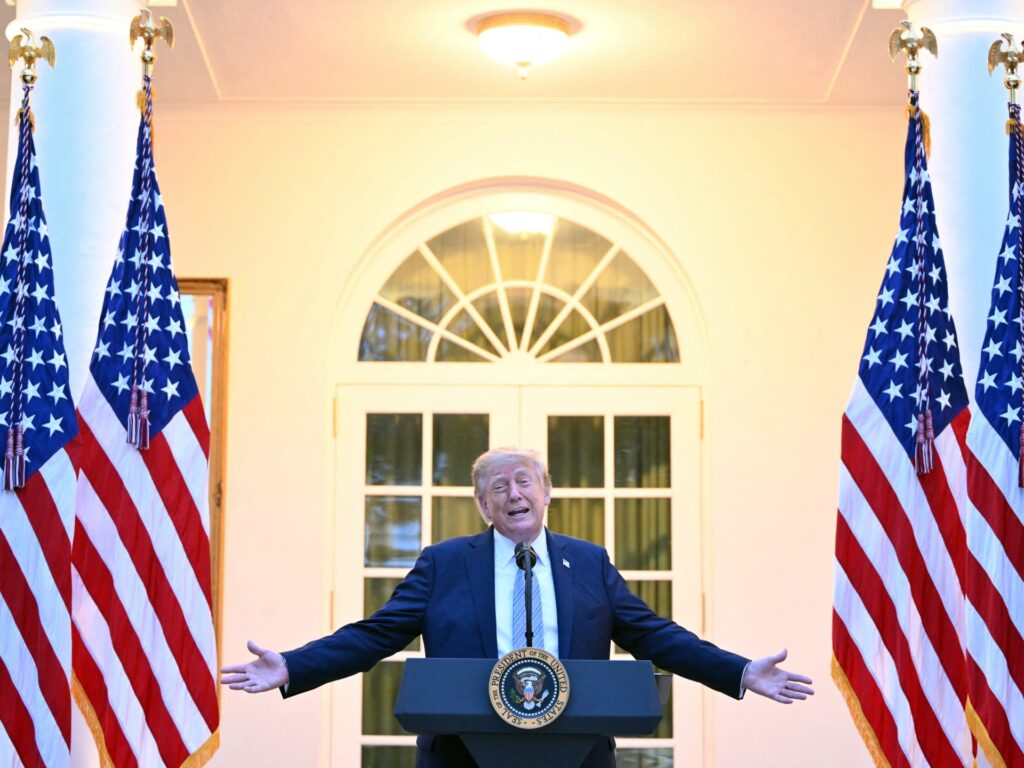
In a controversial move, President Donald Trump has banned several major media outlets, including CNN, MSNBC, and Politico, from White House press briefings. The decision stems from the president’s longstanding criticism of these organizations, which he accuses of propagating “fiction and lies” in their reporting.
Trump’s administration announced that these outlets would be barred from attending future White House events, citing concerns over what the president described as misleading and biased reporting. This latest action marks an escalation in the often-tense relationship between the Trump administration and certain segments of the media.
Throughout his presidency, Trump has frequently labeled unfavorable coverage as “fake news,” aiming to discredit negative press and rally his supporters against traditional media channels. The bans have triggered widespread debate about freedom of the press and the role of media in holding government accountable.
Critics argue that restricting press access undermines democratic principles and limits public scrutiny of the executive branch. Supporters, meanwhile, contend that the president is justified in pushing back against outlets they perceive as hostile or unfair.
The White House Press Secretary defended the bans, stating, “We are committed to transparency, but we will not tolerate the spread of misinformation that falsely portrays the administration’s actions and policies.”
Journalistic organizations and media representatives condemned the decision, highlighting the importance of an open press and alleging attempts to stifle dissenting voices. The Society of Professional Journalists released a statement emphasizing the necessity of a free and independent press as a cornerstone of democracy.
The ban notably affects key political news organizations that often provide detailed coverage and analysis of the administration’s policies and actions. CNN and MSNBC, prominent cable news channels, along with Politico, a widely respected political journalism outlet, have all been vocal critics of President Trump.
Observers note that the move could set a precedent for future administrations regarding press relations. Transparency experts warn about the dangers of limiting access as it could lead to less informed public discourse and diminished accountability.
The affected media outlets have responded by reaffirming their commitment to independent journalism and to reporting facts without bias. They plan to continue coverage of the White House and the administration, albeit without direct access to official events.
This step by the Trump administration contributes to an already polarized media landscape, intensifying the divide between supporters and opponents of the president. As the situation develops, questions remain about the balance between controlling misinformation and preserving freedom of the press in America.