In a dramatic escalation of the ongoing conflict between Ukraine and Russia, Ukraine has launched a substantial drone barrage targeting Russian forces, coinciding with Russia’s first parliamentary election since the invasion began. The timing of these events marks a significant moment in the ongoing geopolitical crisis.
The Ukrainian drone attacks represent a strategic attempt to apply pressure on Russian military capabilities, potentially disrupting logistical and operational planning. This move comes amid Russia’s efforts to solidify political control through the parliamentary elections, which are notably void of any antiwar party candidates.
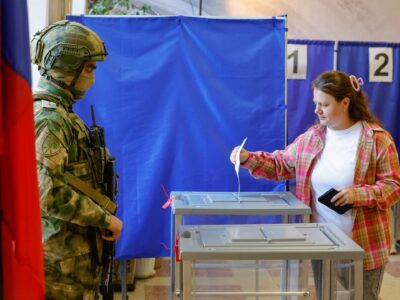
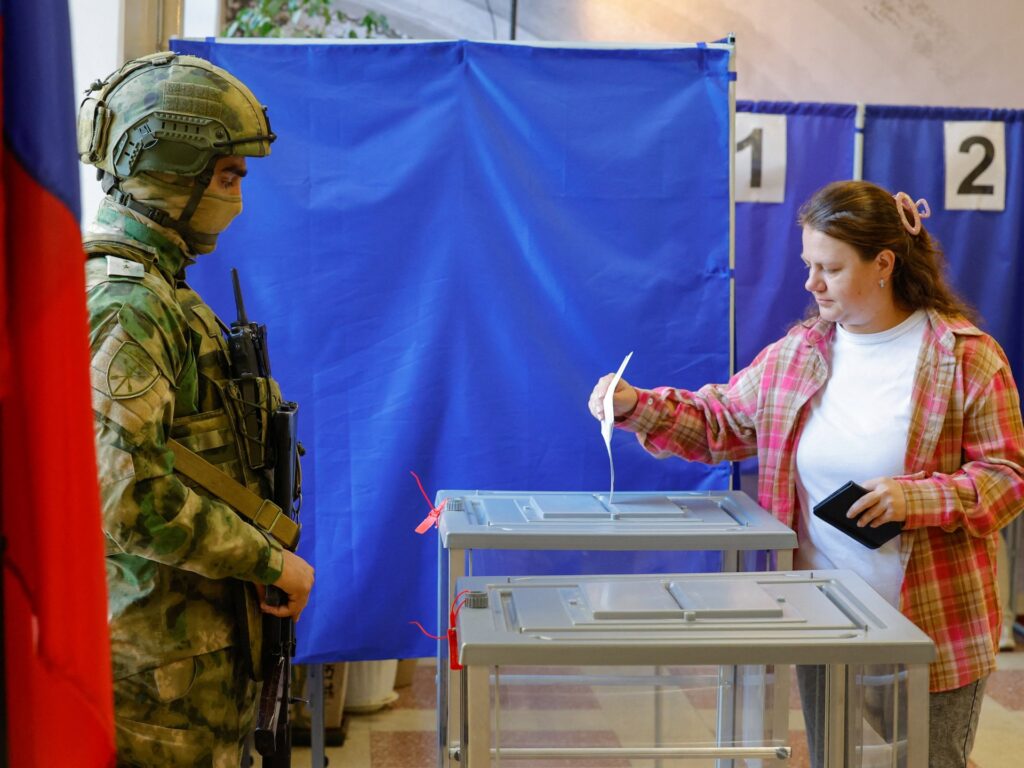
Russia’s parliamentary election is a pivotal event, aiming to reinforce the current government’s narrative and policies regarding the conflict. The absence of antiwar parties on the ballot raises concerns about the democratic nature of the elections and highlights the suppression of dissenting voices. Analysts suggest this lack of political diversity is intended to present a unified front in support of the war effort.
The Ukrainian drone operations, meanwhile, underscore the ongoing struggle for dominance in the region. The drones target critical infrastructure and military installations, aiming to weaken the Russian hold and demonstrate Ukraine’s resilience and strategic ingenuity.
International reactions to these developments have been mixed. Western countries have expressed support for Ukraine’s right to defend itself, while urging caution to avoid further escalation that could broaden the conflict. The use of drones has been praised for its precision and lower casualty risk compared to traditional artillery or airstrikes.
At the same time, the Russian government maintains that the elections are a legitimate expression of the people’s will, despite international criticism. Russian officials emphasize the importance of political stability and continuity during times of conflict, framing the elections as essential for national unity.
The ongoing conflict continues to impact civilians on both sides, with increased displacement and humanitarian concerns. The latest drone barrage and the political climate underscore the complex and multifaceted nature of the war, involving military, political, and societal dimensions.
Experts warn that the absence of antiwar representation in Russia’s parliament could limit prospects for peace negotiations and prolong the conflict. The domestic political environment in Russia appears tightly controlled, reinforcing the government’s commitment to continuing its military objectives.
Ukraine’s drone strategy is viewed as a relatively low-cost but effective way to maintain pressure on Russian forces. This tactic highlights the evolving nature of warfare, where technology and innovation play critical roles.
As Russia proceeds with its elections without opposition voices, the international community remains watchful, concerned about the implications for regional stability and the potential for a diplomatic resolution to the conflict.
Overall, the simultaneous occurrence of Ukraine’s drone attack and Russia’s parliamentary election symbolizes the fierce contest for control and influence in the region. It marks a critical juncture with far-reaching consequences for the future of Eastern Europe and international security.