The ongoing conflicts in the Middle East have far-reaching impacts that extend well beyond the immediate theaters of war. A staggering quarter of the world’s population, approximately 2 billion people mainly in South Asia, now face a severe cost of living crisis directly linked to these distant conflicts.
The phrase “My children did not attack Iran” encapsulates the sentiment prevailing among millions of South Asians, who find themselves bearing the brunt of geopolitical tensions and wars they have no part in. This statement underscores a broader issue: innocent populations suffering consequences due to international conflicts.
The Middle East, often seen as a hotspot of perpetual conflict, influences the global economy significantly, particularly through the energy sector. Many South Asian countries heavily depend on Middle Eastern oil and gas imports. As wars disrupt supply chains, energy prices skyrocket, cascading into increased transportation, manufacturing, and agricultural costs.
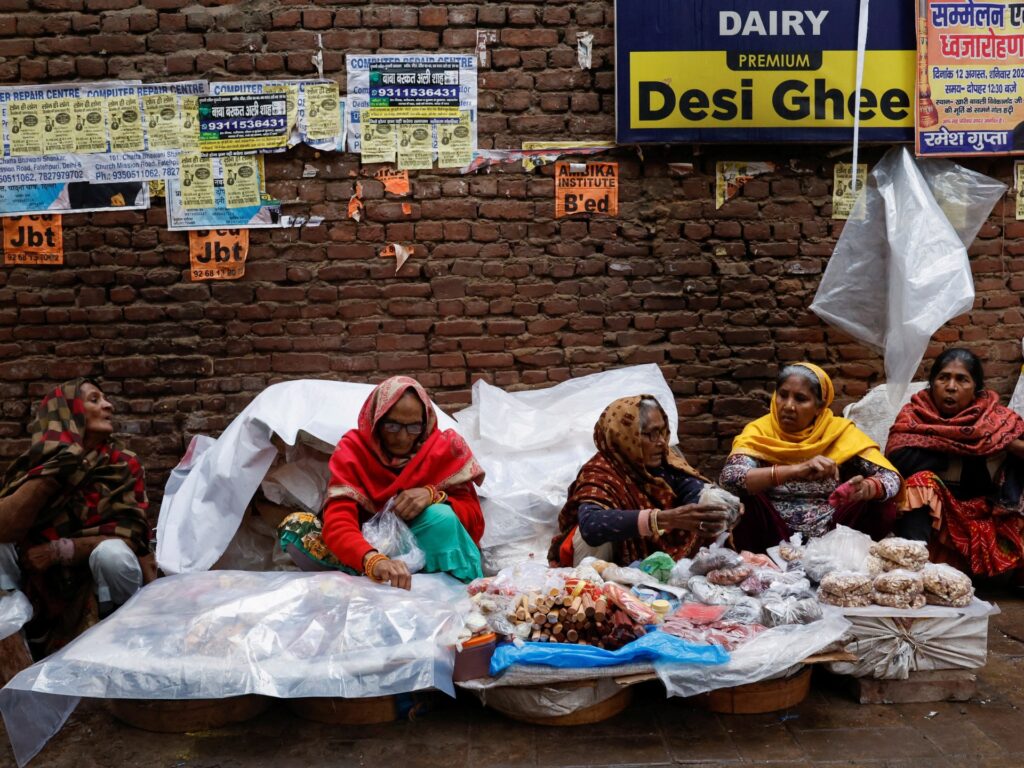
This ripple effect triggers inflation in essential commodities, food, and fuels, disproportionately impacting lower and middle-income families in South Asia. Countries like India, Pakistan, Bangladesh, and Nepal are witnessing inflationary pressures that exacerbate poverty, food insecurity, and socio-economic instability.
Economists warn that the war-driven volatility in oil prices threatens to reverse years of developmental progress in cash-strapped South Asian economies. The cost of essential goods has climbed steadily since the outbreak of violence, placing millions at risk of falling into deeper poverty.
Furthermore, supply chain disruptions have inflamed costs for raw materials and consumer goods, increasing the burden on families already struggling with stagnant wages. Educational and healthcare systems face funding challenges as governments divert resources to manage inflation and social welfare needs.
Social commentators highlight the irony and injustice facing South Asians: despite having no direct involvement in Middle Eastern conflicts, their daily lives and futures are significantly disrupted. The global interconnections mean that distant wars have local consequences, especially for vulnerable populations in developing regions.
Political analysts urge global leaders to recognize this hidden human cost when formulating foreign policies and call for peaceful resolutions to ease the suffering of millions worldwide.
International organizations advocate for increased aid and support to help affected populations cope with escalating living costs. They emphasize the importance of stabilizing food and fuel supplies to mitigate inflation’s impact.
The crisis also raises critical questions about the responsibility of powerful nations whose actions in the Middle East generate widespread economic repercussions. It prompts a re-examination of global solidarity mechanisms and economic resilience strategies.
In conclusion, while Middle Eastern conflicts continue, the lesser-known victims—billions of South Asians—face an uphill battle against poverty and deprivation fueled by a war they did not ignite. Understanding and addressing these indirect consequences is vital for a more equitable global future.