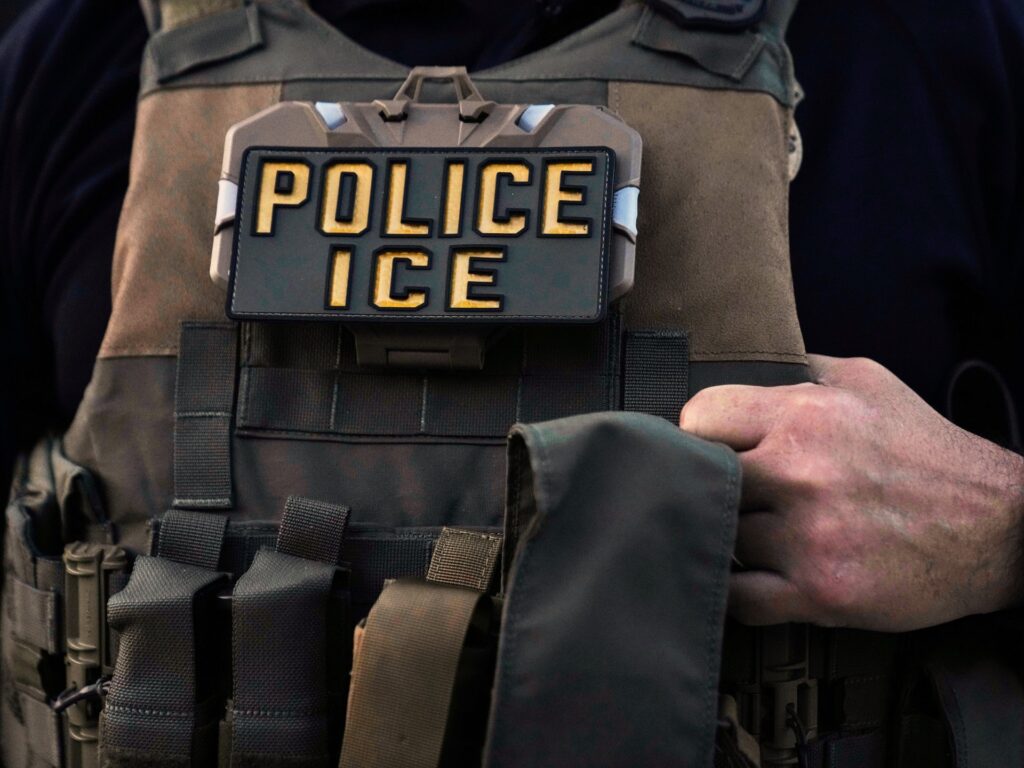
The White House has officially withdrawn the nomination of Lance Schroyer to lead U.S. Immigration and Customs Enforcement (ICE). Schroyer, an ex-Oklahoma state trooper, had been nominated to head the agency but faced significant delays and opposition in the Senate amid increasing scrutiny of ICE’s operations.
This development marks a notable moment in the ongoing challenges faced by the Biden administration in filling key leadership positions within immigration enforcement agencies. The nomination process for Schroyer had stalled for several months, reflecting the contentious political environment surrounding immigration policies.
ICE has been under heightened scrutiny due to its role in immigration enforcement, detention center conditions, and handling of deportations. Critics argue that the agency’s practices sometimes compromise human rights and due process, while supporters emphasize its importance in maintaining border security and enforcing immigration laws.
Lance Schroyer’s background as a former Oklahoma state trooper was seen as a blend of law enforcement experience potentially suited to leading ICE. However, his nomination did not gain the necessary traction in the Senate, where some lawmakers expressed concerns about ICE’s operations and the administration’s approach to immigration enforcement.
The withdrawal underscores the broader political and policy debates surrounding immigration enforcement in the United States. The Biden administration has faced pressure from both progressive advocates demanding reform and tough-on-immigration factions calling for strict enforcement.
President Biden’s administration will now need to identify a new candidate for the ICE leadership role, one who can navigate the complex political landscape and potentially garner bipartisan support. The ICE directorate is a critical position, influencing the agency’s enforcement strategy, operational priorities, and overall direction.
This leadership gap comes at a time when ICE’s mission remains crucial amid ongoing challenges with border security, increasing numbers of migrants, and calls for systemic reforms. The agency is tasked with enforcing immigration laws, combating human trafficking and smuggling, and overseeing detention and removal operations.
Schroyer’s withdrawal may also signal the administration’s recognition of the political realities in the Senate and the sensitive nature of immigration enforcement appointments. It highlights the fine line between enforcing immigration laws and addressing humanitarian concerns.
Moving forward, the White House is expected to continue consultations with lawmakers and stakeholders to find a nominee who can balance enforcement with the Biden administration’s immigration reform agenda.
The nomination saga reflects the broader struggles in U.S. immigration policy: balancing security, human rights, political feasibility, and administrative effectiveness.
In summary, the withdrawal of Lance Schroyer’s nomination to lead ICE demonstrates the complexities and controversies inherent in immigration enforcement leadership. It emphasizes the need for a carefully selected leader who can address both operational challenges and policy concerns in a highly polarized environment. ICE’s future leadership will be pivotal in shaping the agency’s approach to one of the most contentious issues facing the nation today.