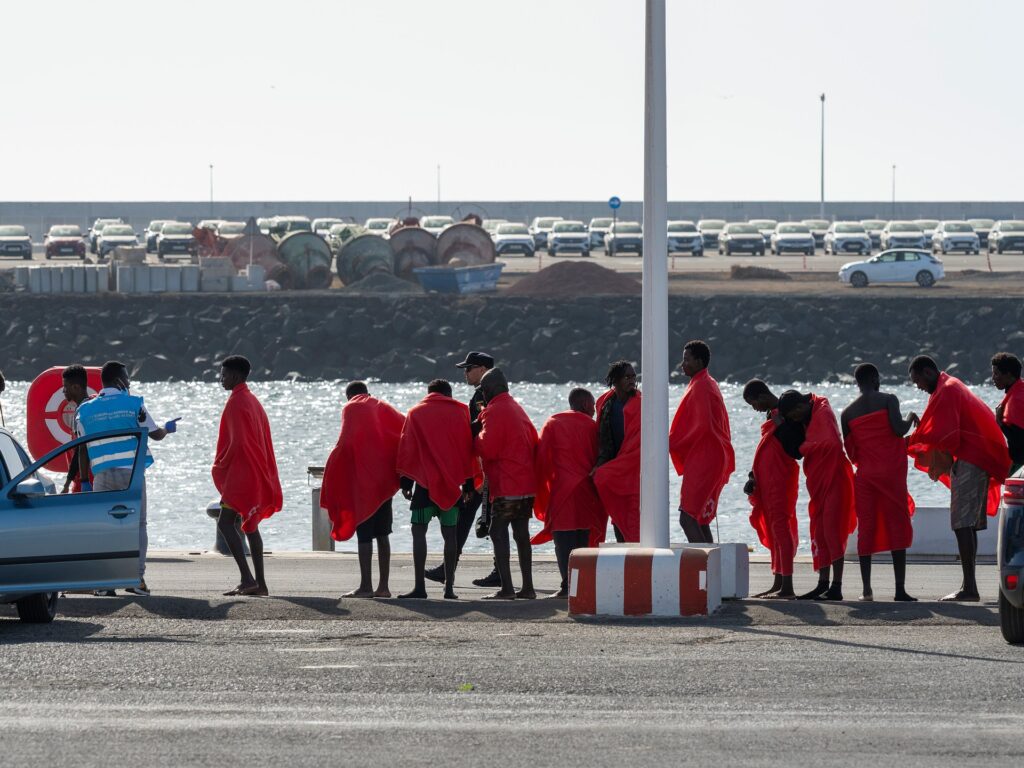
The International Organization for Migration (IOM) has reported a significant decrease in the number of migrants attempting sea crossings to Europe in 2026. However, this decline in crossings comes amid a disturbing rise in the number of deaths and disappearances at sea. According to the IOM, over 2,200 migrants died or went missing while trying to cross the Mediterranean Sea in 2026, marking a tragic toll despite fewer journeys undertaken.
The Mediterranean route has long been a perilous path for migrants seeking safety or better economic opportunities in Europe. Traditionally, large numbers try to cross from countries in North Africa and the Middle East to southern Europe, risking dangerous sea conditions and inadequate vessels. While the volume of crossings has dropped sharply in 2026, the mortality rate has alarmingly increased, pointing to ongoing risks and humanitarian challenges.
Several factors contribute to both the decrease in crossings and the rise in fatalities. Increased patrols and border controls by European nations have restricted migration flows and deterred some migrants from attempting the journey. Additionally, changing migration policies and agreements with transit countries have aimed to reduce migrant departures.
However, these measures have also led to more hazardous conditions for those who still attempt the crossing. Migrants often resort to traveling in overcrowded and unseaworthy boats, increasing the risk of capsizing or other maritime disasters. Smugglers exploit these conditions by charging higher fees for less safe travel options, compounding the danger.
Human rights organizations have expressed concern over the rising death toll, urging governments to enhance rescue operations and provide safer legal pathways for migration. They argue that restrictive policies inadvertently force migrants into dangerous routes, putting lives at risk.
The IOM’s data highlights that despite the fewer migrants crossing, the Mediterranean remains one of the deadliest migration routes in the world. The organization calls for a comprehensive and coordinated approach among European countries, international agencies, and migrant origin countries to address the root causes of migration and improve the safety of migrants.
In addition to the sea crossings, the IOM notes that many migrants also face significant challenges on land, including detention, exploitation, and inadequate access to basic services. The complex dynamics of migration require multifaceted solutions that respect human rights and dignity.
The sharp decline in migrant sea crossings might initially seem like progress in managing migration, but the rising death toll reveals an urgent need for renewed focus on migrant safety and humanitarian assistance. The IOM continues to monitor the situation closely and advocate for effective measures to prevent further loss of life.
Ultimately, the migrant crisis in the Mediterranean in 2026 underscores the ongoing challenges faced by vulnerable populations seeking refuge and the critical importance of solidarity, international cooperation, and compassion in addressing these issues.