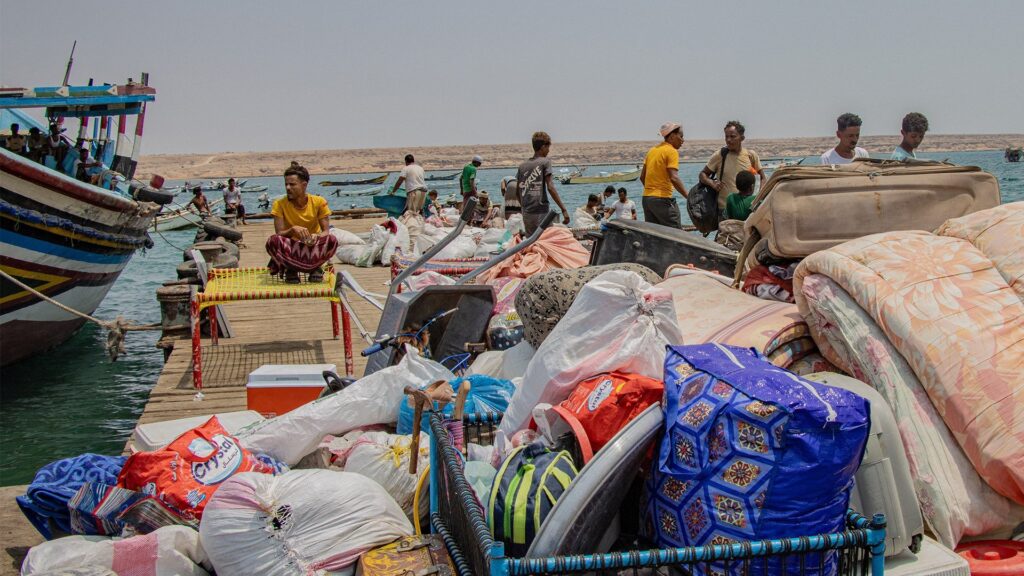
The recent surge in Yemeni refugees arriving in Djibouti has drawn urgent attention to the escalating humanitarian crisis stemming from the conflict in Yemen. Thousands of Yemenis have fled their homeland, seeking safety and refuge in Djibouti, a small but strategically located country in the Horn of Africa. This influx has overwhelmed local resources and triggered a desperate call for international aid.
Yemenis recount harrowing journeys marked by peril and uncertainty as they traverse dangerous terrains and hostile environments. Many refugees have shared stories of escaping relentless violence, scarcity of food and water, and the destruction of infrastructure in Yemen. These desperate conditions have forced families to make the harrowing decision to leave everything behind in search of safety.
Djibouti, situated near Yemen across the Bab-el-Mandeb strait, has historically been a transit point for refugees. However, the current scale of arrivals is unprecedented. The refugee camps and urban centers accommodating the newcomers are struggling with overcrowding, inadequate sanitary conditions, and shortages of basic necessities.
The Djiboutian government has issued appeals to the international community, emphasizing the need for swift humanitarian assistance to provide adequate shelter, medical care, food, and water. Aid organizations operating in the region have echoed these calls, warning that without immediate support, the health and safety of thousands of refugees could be at grave risk.
On the ground, humanitarian workers are coordinating efforts to expand capacity and improve living conditions in refugee camps. However, the pace of arrivals outstrips the available resources, making it imperative for global stakeholders to increase funding and logistical support.
The situation in Yemen remains dire, with ongoing conflict disrupting livelihoods and destabilizing communities. The refugee influx into Djibouti is a stark reminder of the broader regional impact of the war and the urgent need for a sustainable resolution.
Experts and humanitarian advocates stress the importance of addressing both immediate relief and longer-term support to integrate refugees and provide pathways for recovery. Meanwhile, Djibouti continues to serve as a critical lifeline for Yemenis seeking refuge from violence and deprivation.
As the crisis unfolds, the stories of those fleeing Yemen underscore the human cost of conflict and the resilience of people striving for safety amid adversity. Continued international solidarity and action are essential to alleviate suffering and support the vulnerable populations caught in this ongoing emergency.