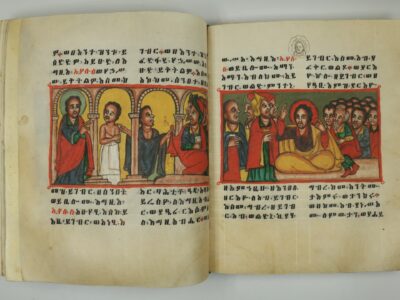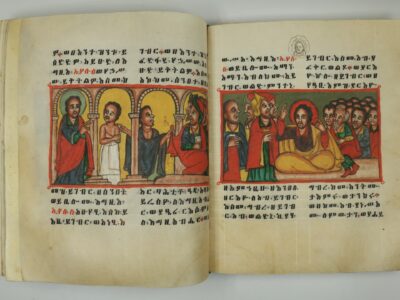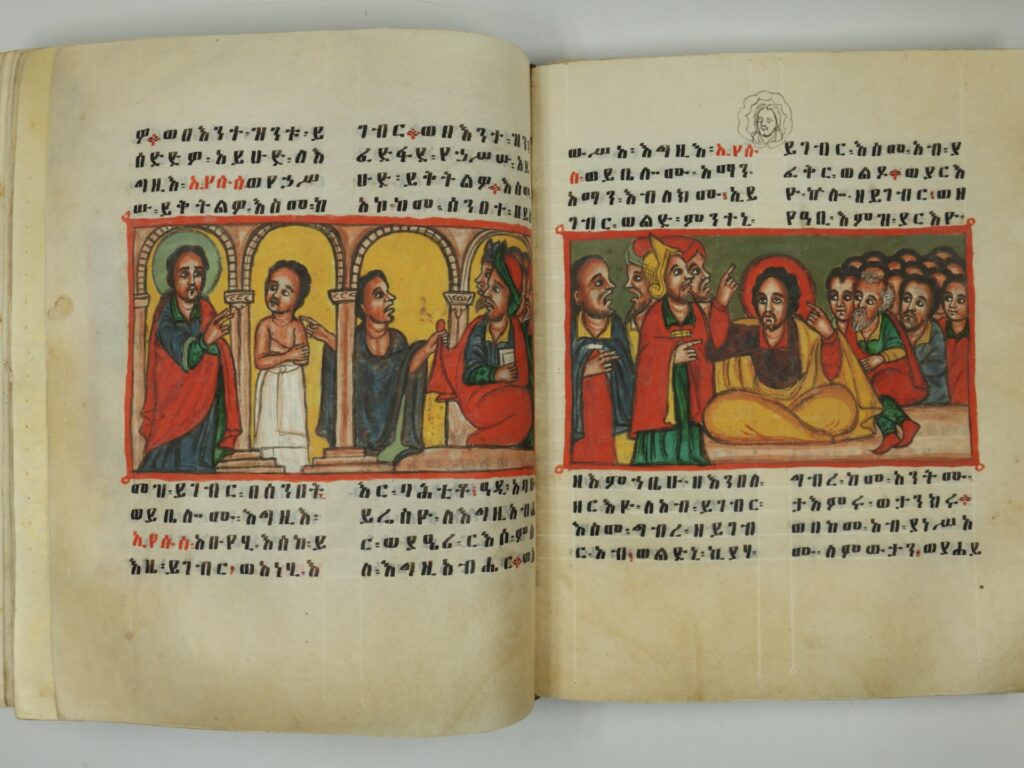
The Gondar Gospel, a rare and historically invaluable Ethiopian manuscript, has become the center of a heated debate concerning cultural restitution. This precious artifact originally belonged to the library of Emperor Tewodros II of Ethiopia, a significant figure in Ethiopian history renowned for his efforts to unify the country during the 19th century. The manuscript was seized by British forces during a military expedition several decades ago, specifically in the aftermath of the 1868 British Expedition to Abyssinia.
Emperor Tewodros’s library was renowned for its rare collection of religious and royal manuscripts, of which the Gondar Gospel is a notable exemplar. Its theft occurred when British troops stormed Maqdala, the emperor’s mountain fortress, resulting in the emperor’s defeat and the confiscation of numerous cultural treasures. Since then, the Gondar Gospel and many other artifacts have been held in British institutions, far away from their homeland.
In recent years, growing international emphasis on the ethical considerations surrounding cultural heritage has intensified calls for the return of such stolen artifacts. Ethiopia has been at the forefront of international demands, appealing to the British government and cultural institutions to repatriate the Gondar Gospel and other items taken without consent.
The debate over the manuscript’s restitution brings to light complex questions regarding ownership, colonial legacy, and cultural justice. Supporters of the Ethiopian claim argue that the manuscript holds not only religious importance but also national and historical significance that must be preserved in its rightful context within Ethiopia.
Conversely, some British institutions have raised concerns over the implications of returning such items, citing preservation capabilities, legal ownership as per historical treaties, and the broader precedent such actions might set for other artifacts acquired during colonial times.
This restitution row unfolds amid a broader global movement to reassess the cultural properties held by museums and libraries, many of which originated from countries formerly subjected to colonial rule. Institutions in the UK and worldwide are under increasing pressure to identify artifacts obtained under contentious circumstances and to engage in dialogue about their potential return.
The Ethiopian government has emphasized the cultural and historic injustice perpetuated by withholding the Gondar Gospel and demands collaborative international efforts to ensure its proper return. The case has attracted attention from historians, human rights activists, and international organizations dedicated to cultural preservation and ethical restitution.
Resolution efforts are underway, with discussions involving Ethiopian officials, British governmental representatives, and museum authorities. The outcome of these negotiations could set a significant precedent for future cases involving repatriation of cultural artifacts.
The case of the Gondar Gospel exemplifies the ongoing tension between preserving historical legacies and correcting historical wrongs. As countries like Ethiopia seek the return of their cultural heritage, the question of how to balance these interests continues to spark complex discussions across the globe.
Ultimately, the restitution of the Gondar Gospel could symbolize a step forward in acknowledging and remedying the injustices faced by nations whose cultural treasures were lost to colonial expropriation. It highlights the importance of respecting cultural identity and heritage as central to national dignity and historical truth.
This issue remains open-ended but represents a crucial chapter in the ongoing dialogue about cultural property and international cooperation in heritage conservation.