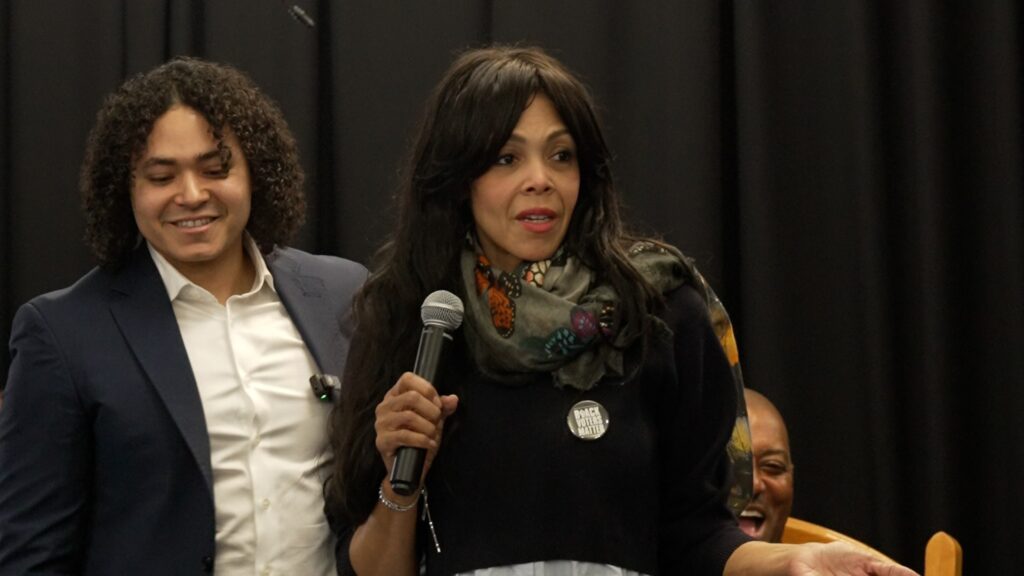
In a significant show of support, the daughter of the late legendary boxer Muhammad Ali, along with her son, has publicly endorsed Abdul El-Sayed in his bid for the US Senate. This endorsement brings a powerful legacy into the political arena, potentially impacting the trajectory of El-Sayed’s campaign.
Muhammad Ali, a globally respected figure not only for his prowess in boxing but also for his activism and humanitarian efforts, remains an influential icon years after his passing. His family’s continued involvement in public and social causes carries substantial weight, especially when it comes to endorsements in political races.
El-Sayed, a prominent progressive candidate known for his advocacy on healthcare, education, and social justice, has been striving to make a mark in the Senate race. With the backing of Ali’s family, his message may resonate even more strongly.
The endorsement was made public through a joint statement expressing confidence in El-Sayed’s vision for the future and alignment with the values championed by Muhammad Ali himself. They highlighted El-Sayed’s dedication to fighting for equality and justice, ideals that the late boxer famously embodied throughout his life.
Support from such a notable family is expected to galvanize El-Sayed’s base and potentially attract undecided voters who hold Muhammad Ali in high esteem. It also underscores a deeper connection between sports legacy and political activism, bridging generations in the fight for progressive change.
Political analysts suggest that endorsements of this nature can elevate a candidate’s profile, especially in highly competitive races. It brings emotional and symbolic power that can translate into increased media coverage and fundraising opportunities.
El-Sayed has reportedly expressed gratitude for the support, stating that it inspires him to work harder for policies that aim to uplift marginalized communities and promote equity. He also acknowledged the responsibility of carrying forward the spirit of leadership and courage exemplified by Muhammad Ali.
The campaign trail continues to be intense, with El-Sayed leveraging this newfound endorsement to build momentum. Community events, town halls, and canvassing efforts have intensified, showcasing a campaign energized by a profound legacy.
As voting day approaches, observers will be keen to see how this high-profile endorsement shapes the narrative and influences voter turnout. The fusion of Muhammad Ali’s enduring legacy with El-Sayed’s progressive platform promises to be a compelling story in the 2024 Senate elections.
In conclusion, the endorsement of Abdul El-Sayed by Muhammad Ali’s daughter and grandson signifies more than just political support; it symbolizes a continuity of values focused on justice, equality, and relentless pursuit of positive change. This bond between a sports icon’s family and a rising political leader highlights the power of legacy in shaping the future of American politics.