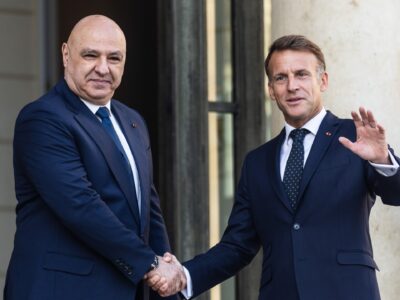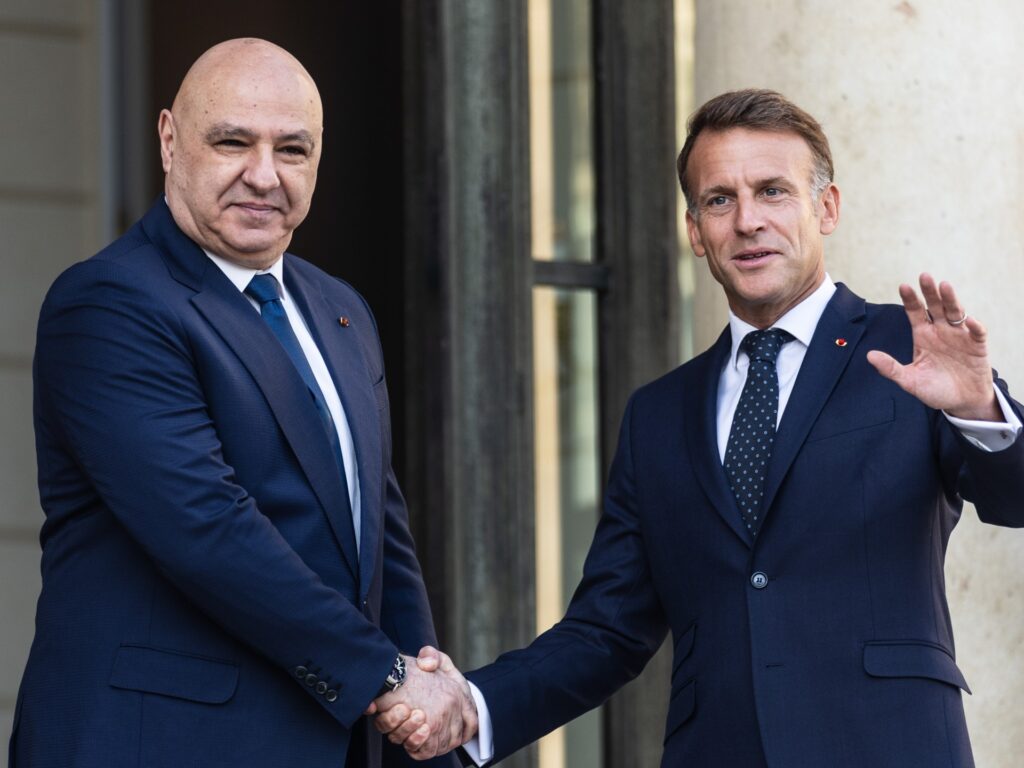
A critical round of security talks focused on Lebanon is currently underway in Paris, with key stakeholders convening to deliberate alternatives following the mandate of the United Nations Interim Force in Lebanon (UNIFIL). These discussions come against a tense backdrop of ongoing security concerns in southern Lebanon, where Israeli military forces continue to conduct operations despite a declared ceasefire.
UNIFIL has long been the international peacekeeping entity tasked with monitoring the cessation of hostilities between Israel and Lebanon, aiming to maintain stability along the border. However, with persistent violations and escalations, the effectiveness and future role of UNIFIL are under intense scrutiny.
The Paris talks aim to explore viable strategies and frameworks that could succeed the current UNIFIL mission or supplement its efforts, to better ensure security and peace in this volatile region. Delegates include representatives from Lebanon, Israel, France, the United Nations, and possibly other international stakeholders concerned with Middle Eastern stability.
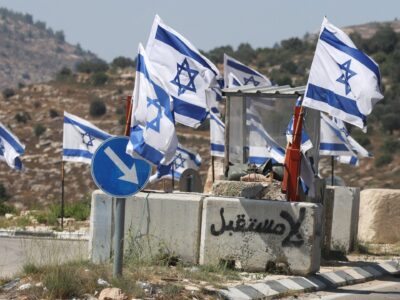
Lebanon has faced numerous security challenges owing to the complex political and military dynamics in the region, including frequent cross-border incidents. Israeli forces have been accused of launching attacks into southern Lebanese territory, claiming to target militant groups such as Hezbollah.
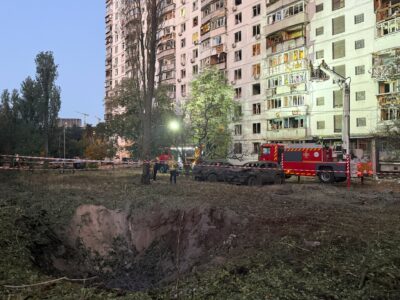
These ongoing exchanges have resulted in casualties and have raised concerns about a broader conflict escalation. The declared ceasefire, which was intended to halt hostilities, has not fully prevented such confrontations on the ground. This has led to calls for a reassessment of peacekeeping approaches.
The Paris talks underscore the urgency of finding a sustainable security arrangement that not only deters aggression but also fosters cooperation and long-term peace between Lebanon and Israel. Discussions may address issues such as enhanced monitoring technologies, revised rules of engagement for peacekeepers, and stronger diplomatic mechanisms.
The outcomes of these talks are viewed as pivotal for the future security architecture of Lebanon’s southern border. Stakeholders hope for concrete measures that can reduce tensions and provide a framework for peaceful coexistence, while respecting Lebanon’s sovereignty and addressing Israeli security concerns.
International observers emphasize that the success of any post-UNIFIL strategy will require robust political commitment from all parties involved, alongside support from global powers and the UN. The talks in Paris represent a crucial opportunity to recalibrate efforts to stabilize one of the world’s most fragile frontiers.
As the discussions progress, the international community remains watchful, recognizing that peace and security in southern Lebanon have wider implications for regional stability in the Middle East. The effectiveness of post-UNIFIL initiatives could set a precedent for similar conflict zones worldwide.
In conclusion, the Paris security talks mark an essential step towards addressing the complex security situation in southern Lebanon. With the continued violence despite a ceasefire, the exploration of post-UNIFIL alternatives is both timely and necessary to chart a path toward durable peace in the region.