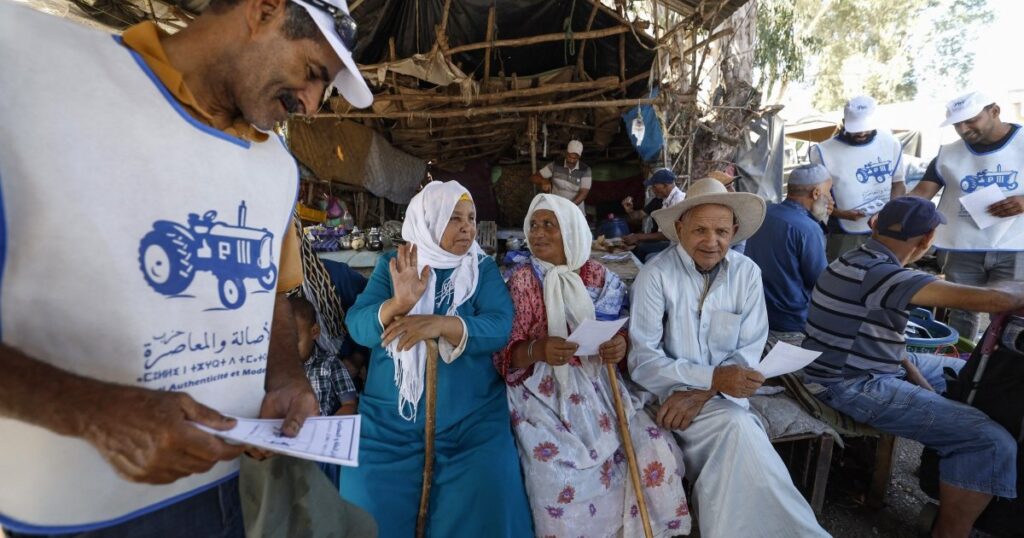
Morocco is gearing up for a pivotal election on September 23, 2026, amid growing public concern over critical national issues. The upcoming vote is being closely observed as a crucial test of political trust and engagement among Moroccan citizens, especially its youth.
One of the most pressing issues before the election is youth unemployment. Morocco’s young population faces significant challenges in securing stable and meaningful employment. High unemployment rates among the youth have fostered frustration and skepticism toward the political establishment, highlighting the need for robust economic policies that can create job opportunities and stimulate growth.
In addition to joblessness, the rising cost of living remains a significant concern for many Moroccans. Inflation and economic pressures have strained household budgets, making it difficult for families to meet basic needs. This economic situation has become a central topic of debate in the lead-up to the election, with citizens demanding effective government action to alleviate financial hardships.
Public services, including healthcare and education, are also under scrutiny in this election cycle. Many voters are pushing for improvements in the quality and accessibility of these services, which are considered essential for the country’s social and economic development. Deficiencies in these areas have further eroded trust in government institutions and raised questions about governance and accountability.
The political landscape in Morocco is marked by a diverse array of parties and candidates, each vying to address these challenges and offer solutions. However, the effectiveness of political dialogue and outreach will be crucial in mobilizing voters and restoring confidence in the democratic process.
Observers note that the 2026 election could serve as a barometer for the future trajectory of Morocco’s political environment. A strong voter turnout and engagement would reflect a renewed faith in the country’s democratic system and signal hope for progressive change.
Conversely, low participation rates and continuing political apathy could exacerbate existing frustrations, making it harder to implement necessary reforms. Thus, the government and political actors face immense pressure to connect authentically with citizens and respond to their concerns.
In conclusion, Morocco’s 2026 election is more than a routine political event; it is a critical juncture that tests the resilience of political trust and the level of public engagement. Addressing youth unemployment, controlling living costs, and enhancing public services are pivotal issues that will shape voter decisions and the nation’s future. The outcome of the election will likely influence Morocco’s path toward sustainable development and democratic consolidation.”