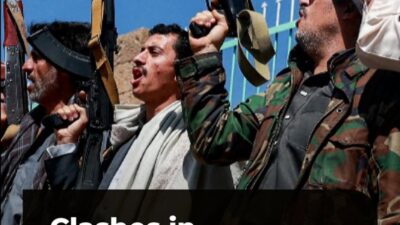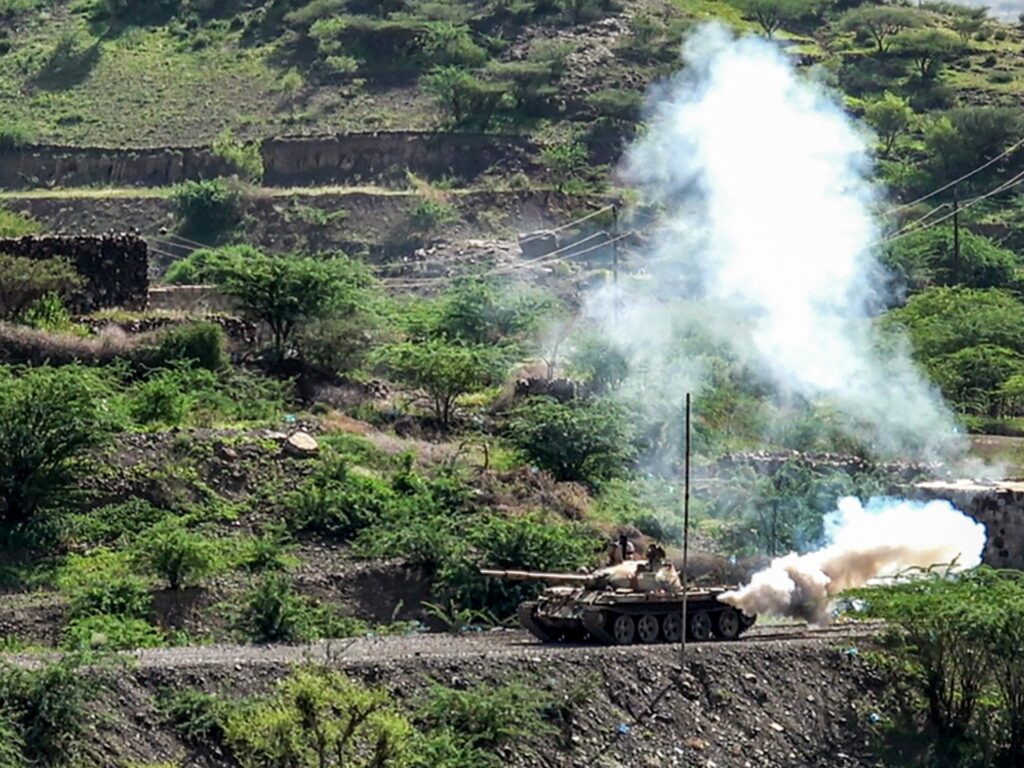
Recent developments in the Yemen conflict have seen Yemeni forces intensify their operations against Houthi militants. These engagements come at a time of heightened regional tensions, particularly involving Saudi Arabia and its defense posture.
Yemeni government forces have reportedly launched targeted strikes aimed at Houthi positions, aiming to regain control and weaken the insurgent group’s military capabilities. Concurrently, there have been reported attacks near or directly targeting a Saudi military base, underscoring the conflict’s spillover effect on neighboring countries.
Amid these escalating confrontations, Saudi Arabia has sought to bolster its missile defense capabilities by requesting enhanced support from its international allies. This move is critical as the kingdom aims to defend against missile threats posed by the Houthis, who have increasingly deployed ballistic missiles and drones against Saudi targets.
In a related development, the United States has ruled out a direct military role in these recent clashes and defense operations. Instead, the US has emphasized a supportive role, focusing on providing intelligence, logistics, and diplomatic backing while avoiding direct engagement on the ground.
This stance is partly influenced by the US military’s own challenges with maintaining sufficient stocks of missile interceptors. American defense inventories of key interceptors used to neutralize missile threats are reportedly dwindling, complicating the US ability to engage more actively in missile defense outside its borders.
The US administration has reinforced its commitment to regional security but cautions about the limitations of its involvement, emphasizing the need for regional partners to take greater responsibility. This strategic approach highlights the complexities of the Yemen conflict and the broader geopolitical contest in the Middle East.
Saudi Arabia’s requests for missile defense bolstering come at a crucial moment, as the country faces persistent missile threats that jeopardize civilian and military infrastructure. Allied countries, including Gulf Cooperation Council (GCC) members and Western partners, are assessing how best to provide support without escalating the conflict further.
The situation remains fluid, with diplomatic efforts continuing alongside military engagements. International actors are advocating for a resolution that addresses humanitarian concerns while managing security risks posed by ongoing hostilities.
In conclusion, the Yemeni forces’ targeting of Houthi militants and the Saudi military base highlights the fragile security environment in the region. Saudi Arabia’s call for missile defense aid and the US’s cautious approach reflect the delicate balance of power and the ongoing challenges in addressing multi-faceted conflicts in the Middle East.