The Democratic Republic of Congo (DRC) is confronting an escalating Ebola crisis, with a resurgence of cases particularly in the North Kivu province. Despite progress made in curbing the virus in other parts of the country, the World Health Organization (WHO) chief, Dr. Tedros Adhanom Ghebreyesus, has cautioned that the battle against Ebola is far from over.
North Kivu, a region already grappling with conflict and humanitarian challenges, has seen a worrying uptick in Ebola cases. This resurgence threatens to undermine the gains achieved in other affected regions, where the number of infections had begun to decline. The WHO’s warning highlights the complexity of containing the virus in an area marked by instability and limited access for healthcare workers.
Dr. Tedros emphasized the need for sustained international support and robust public health measures to prevent the situation from deteriorating further. “While progress has been made, the threat remains very real and must not be underestimated,” he stated during a recent briefing.
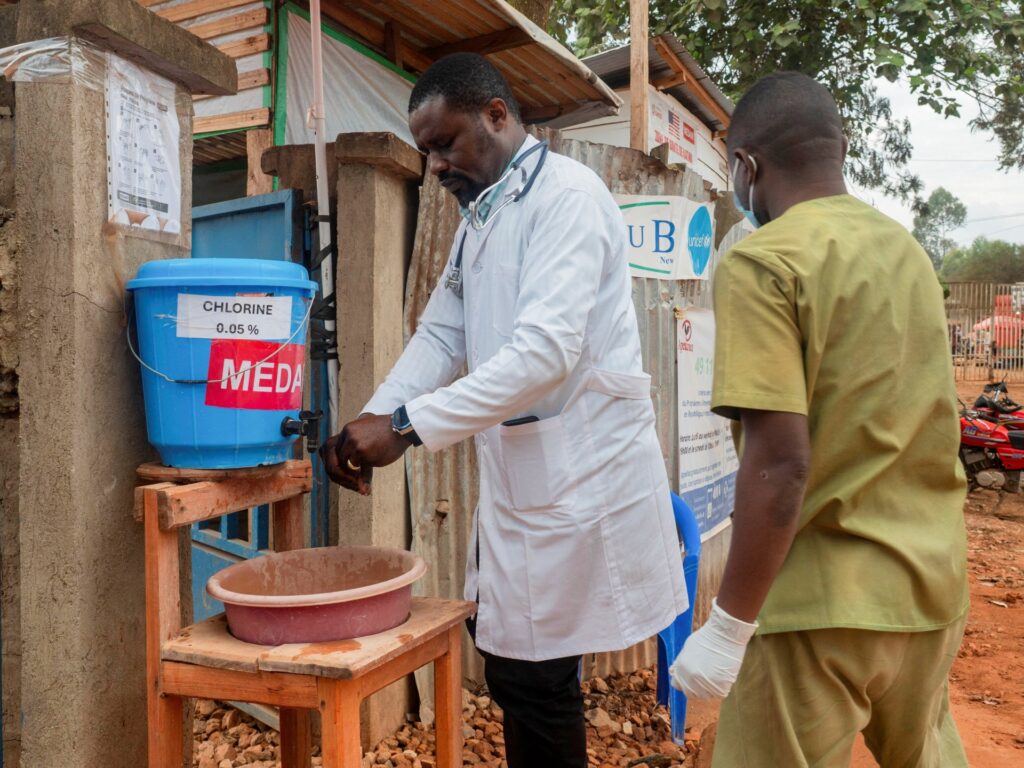
Efforts to combat the virus include vaccination campaigns, contact tracing, and community engagement to raise awareness about preventive measures. However, the ongoing conflict in North Kivu poses significant obstacles, hindering the delivery of medical aid and the safe movement of health teams.
The WHO has called on the global community to reinforce its commitment to funding and supporting the DRC’s response efforts. Without continued vigilance and resources, the risk of Ebola spreading beyond the current hotspots could increase, potentially sparking a larger humanitarian emergency.
Health officials remain on high alert, working tirelessly to track new cases and administer vaccines to at-risk populations. The challenges are daunting, but the combined efforts of international agencies, local governments, and communities offer hope for controlling the outbreak.
This evolving situation underscores the critical importance of addressing underlying factors such as security, infrastructure, and public trust to effectively manage Ebola and other infectious diseases in fragile settings.
In conclusion, the WHO’s alert serves as a stark reminder that the Ebola epidemic in the DRC is ongoing and that concerted action is needed to safeguard public health and prevent further loss of life. The international community must maintain focus on supporting the DRC through this difficult period to ultimately defeat the virus.