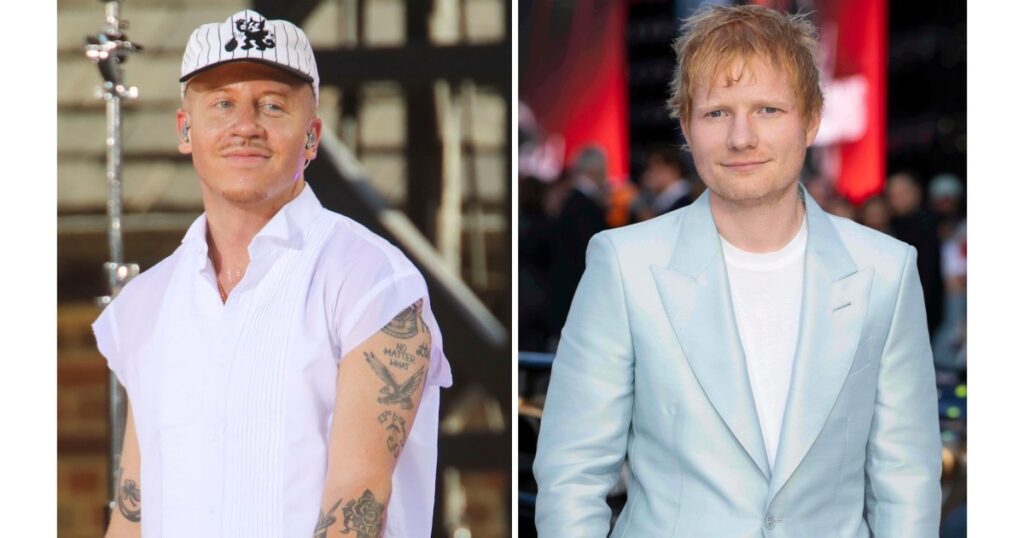
Several supporting acts scheduled to perform alongside Ed Sheeran on his US tour have withdrawn in solidarity with rapper Macklemore, who was reportedly banned from the tour for publicly saying ‘Free Palestine.’ This controversy has sparked a ripple effect, leading to a boycott by other artists unwilling to participate under these circumstances.
Macklemore’s outspoken stance on the Palestinian issue has led to his exclusion from the tour, which in turn has motivated supporting performers to step down in protest. These artists have expressed their support for the Palestinian cause and criticized the tour organizers for what they perceive as suppression of free speech and political expression.
The withdrawals highlight the increasing influence of political and social justice issues within the music industry, especially as artists take stands on global conflicts and human rights concerns. Ed Sheeran’s management has not released a detailed statement about the situation or the reasons behind Macklemore’s ban.
Fans and commentators have reacted with mixed feelings. Some praise the artists for standing up for their beliefs, while others emphasize the importance of keeping music tours apolitical. The situation has also ignited discussions about the role of entertainers in political discourse and the potential consequences of such involvement.
This development sheds light on the complexities of managing large-scale tours when political views and public statements of artists intersect with commercial interests and broader audience sensitivities. The boycott by supporting acts is a clear indicator of the power dynamics in the entertainment industry and the growing insistence on respect for diverse voices and causes.
The incident involving Ed Sheeran’s tour and the supporting artists’ withdrawal serves as a notable example of how political issues can impact cultural events and bring about significant shifts in artist line-ups and tour proceedings. It raises important questions about freedom of expression, solidarity among artists, and the intersection of art and activism in today’s global landscape.