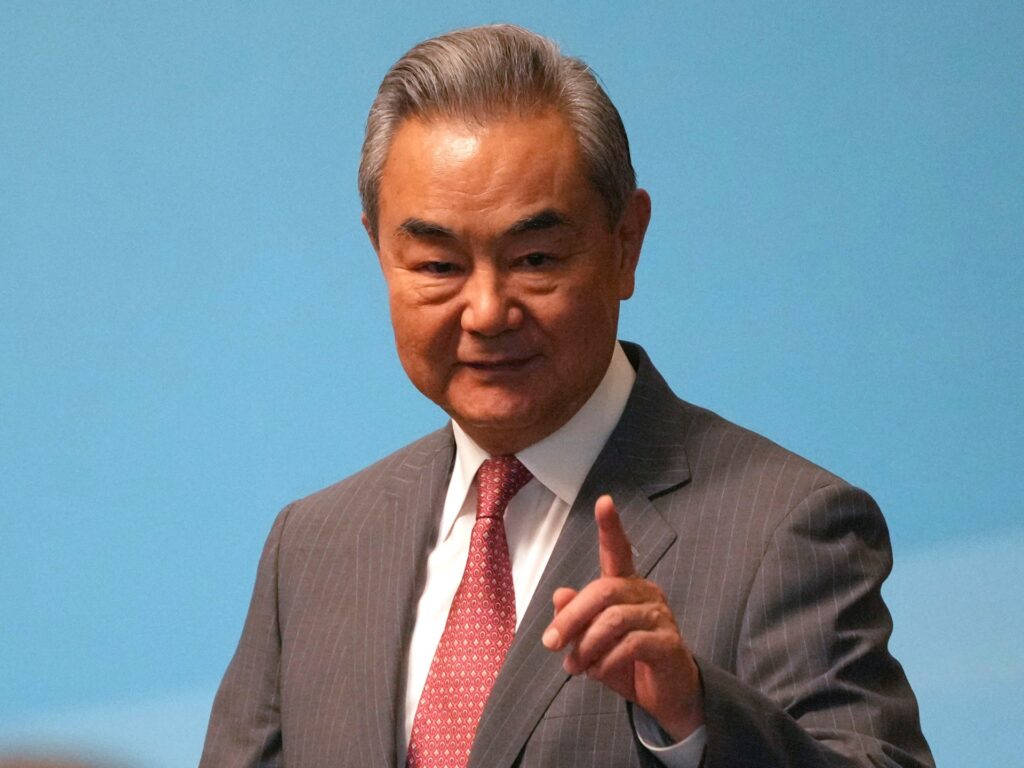
In a recent statement, a Chinese official declared China’s commitment to safeguarding Iran’s legitimate rights amidst escalating tensions in the Middle East. This pronouncement comes as the geopolitical landscape is increasingly influenced by conflicts and alliances involving major global players.
The official highlighted that the ongoing US-Israel conflict targeting Iran has exposed significant flaws in the existing security architecture of the Middle East. According to the statement, the current system fails to adequately address the complexities and security needs of the region, which has led to persistent instability and conflict.
China’s position underscores a broader critique of external interventions that, in their view, exacerbate regional tensions rather than resolve them. Beijing advocates for a security framework that respects the sovereignty and rights of all nations in the Middle East, promoting dialogue and cooperation rather than confrontation.
The recent tensions involving Iran, the United States, and Israel have drawn international attention due to their potential to destabilize not only the Middle East but also global peace and security. China’s pledge to protect Iran’s rights is seen as part of its strategic interest in maintaining a balance of power and ensuring stability in the region.
This stance also reflects China’s growing diplomatic engagement in the Middle East, where it seeks to expand its influence through economic partnerships, such as those under the Belt and Road Initiative, and through political support.
Experts note that China’s approach contrasts with that of the US and Israel, which have adopted a more confrontational posture towards Iran. By emphasizing the need to uphold Iran’s legitimate rights, China is positioning itself as a mediator advocating for peaceful resolution of disputes.
The Chinese official called for reforms in the Middle East’s security architecture to better accommodate the interests of all regional stakeholders, including Iran. This suggestion points to a more inclusive and balanced security arrangement that could potentially reduce conflicts and foster sustainable peace.
The statement has been welcomed by Iran, which faces international sanctions and military pressure. Tehran views China’s support as a critical counterbalance to US-led efforts aimed at isolating the country.
International observers are closely watching how Beijing’s diplomatic initiatives will influence the dynamics in the Middle East. China’s willingness to engage in dialogue and promote multilateral solutions could offer new avenues for conflict resolution in a region long plagued by strife.
In conclusion, China’s declaration to protect Iran’s legitimate rights signals a significant shift towards a more assertive role in Middle Eastern affairs. It calls for a reevaluation of existing security structures and advocates for a diplomatic path forward to achieve lasting peace and stability in the region.