A tragic disaster struck Sudan’s West Kordofan region as a gold mine collapse claimed the lives of at least 70 artisanal miners. The catastrophe unfolded when a series of adjoining mining shafts suddenly caved in, trapping dozens of miners underground and leading to a significant loss of life.
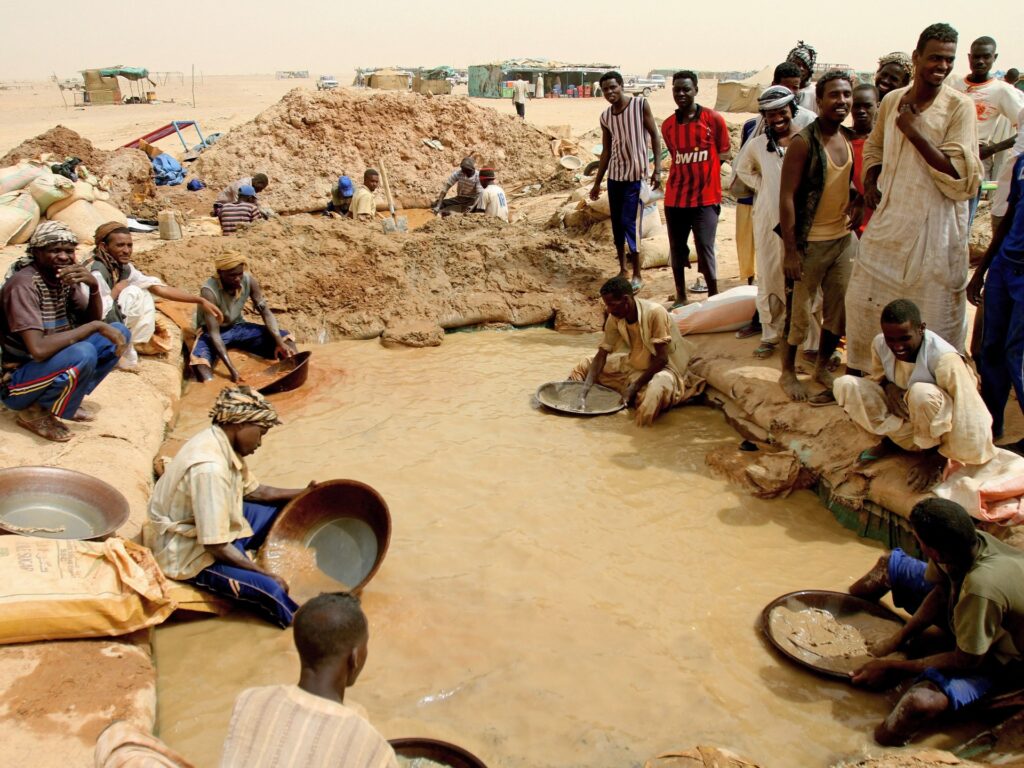
Artisanal mining, a common livelihood in this region, involves small-scale, informal mining operations often conducted without modern safety equipment or regulation. This vulnerability increases the risk of accidents, as seen in this latest tragedy.
According to local sources, the miners were engaged in extracting gold using basic tools and methods when the earth beneath them gave way. Rescue operations were immediately launched, with emergency response teams working tirelessly to extract survivors and recover bodies from the collapsed shafts.
West Kordofan, a region rich in mineral resources, has seen a surge in artisanal mining activities due to economic challenges faced by many residents. However, the lack of proper oversight and safety measures has made these operations perilous.
Officials have expressed deep sorrow over the loss of lives and have called for stricter regulations and improved safety protocols for mining activities. They emphasized the need for government intervention to support safer mining practices and provide alternative livelihoods to the local communities heavily dependent on artisanal mining.
This incident has highlighted the urgent need for reforms in the mining sector, particularly focusing on protecting the lives of small-scale miners who form a substantial part of Sudan’s gold extraction workforce.
Humanitarian organizations have also stepped in to offer aid to the families affected by the disaster, providing financial assistance and psychological support to the victims’ relatives.
The gold mine collapse in West Kordofan serves as a grim reminder of the inherent dangers faced by artisanal miners worldwide. It underscores the critical importance of enforcing mining regulations, ensuring safe working conditions, and investing in sustainable economic alternatives for vulnerable populations.
As investigations continue, the Sudanese government and international partners are expected to collaborate on measures to prevent such tragedies in the future and to promote a safer, more regulated artisanal mining industry that can sustain local economies without risking human lives.
This devastating event calls attention to the broader challenges in resource-rich but economically fragile regions, where the pursuit of precious minerals often comes with significant human costs.