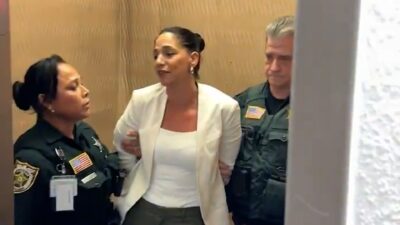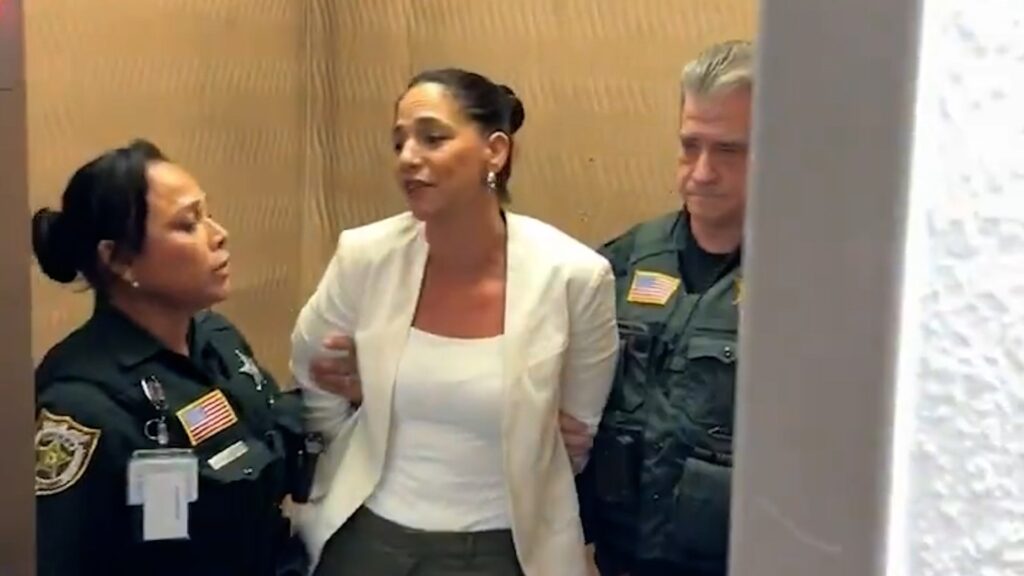
Renowned Palestinian human rights lawyer Noura Erakat was arrested recently during a hearing in Florida, where she was voicing opposition against an Israel Bonds investment initiative. Erakat, recognized internationally for her advocacy on behalf of Palestinian rights, was attending the hearing to speak against the financial and political implications of Israel Bonds, which are government-backed securities used to support Israel’s economy.
The incident unfolded as Erakat expressed her dissent, highlighting allegations of Israel Bonds supporting policies that she and many activists view as contributing to the ongoing conflict and occupation in Palestinian territories. Her arrest has sparked a wave of reactions from human rights organizations, legal experts, and activists around the world.
Erakat’s detention raises pressing questions about freedom of speech and the right to protest, particularly in contexts related to geopolitical conflicts. Supporters argue that her arrest is emblematic of broader efforts to silence critics of Israel’s policies, especially within legal and political discourse.
The hearing where Erakat was arrested was part of broader discussions on investment and financial support mechanisms related to Israel, with a focus on the ethical implications of investment in Israel Bonds. Critics like Erakat argue that such financial products indirectly fund activities considered illegal under international law and contribute to human rights violations.
Noura Erakat has been a prominent voice in advocating for Palestinian rights through legal channels, using international law to challenge the actions of the Israeli government. Her arrest is seen by many activists as an attempt to curb this advocacy.
The legal proceedings following her arrest are being closely monitored, with calls from various organizations for her immediate release and for protections to be enforced for lawful dissent. Advocates stress the importance of safeguarding the rights of lawyers and activists who speak out against policies they believe to be unjust.
This event underscores ongoing tensions surrounding Israel Bonds and the broader Israeli-Palestinian conflict, reflecting the deep divisions in opinion about financial, legal, and political support to the region. It also highlights challenges faced by human rights defenders operating under contentious political circumstances.
As the situation develops, more attention is likely to be focused on the balance between security, public order, and the preservation of fundamental democratic rights such as free speech and protest. Noura Erakat’s case may set a significant precedent regarding the treatment of dissenting voices in policy debates related to international conflicts.
In summary, the arrest of Noura Erakat at a Florida hearing while opposing Israel Bonds investment spotlights critical issues at the intersection of law, finance, and human rights activism. It calls for renewed discussion about the rights of individuals to challenge politically sensitive financial mechanisms and the boundaries of lawful protest in democratic societies.