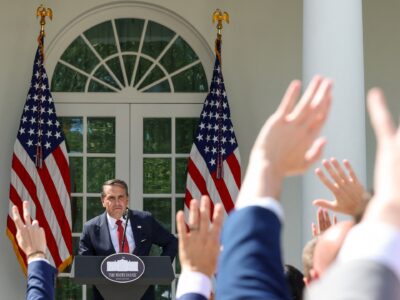
In a significant political development, United States Representative Thomas Massie, a Republican lawmaker, is pushing his party colleagues to hold a vote on impeaching Secretary of Defense Pete Hegseth. This unexpected move has stirred considerable attention within the Republican ranks and the broader political landscape.
Massie, known for his independent stance within the Republican Party, is insisting that fellow GOP members formally vote on whether to impeach Hegseth, a prominent figure in the current administration. The call for an impeachment vote signals deep divisions within the party, highlighting concerns over Hegseth’s conduct or policy decisions that have yet to be publicly detailed.
The process of impeachment requires a thorough investigation and a formal vote by the House of Representatives. Massie’s push indicates that there may be substantive grievances that warrant such a serious parliamentary action. Traditionally, impeachment proceedings are reserved for severe allegations of misconduct, malfeasance, or abuse of power.
Political analysts view this move as a potentially pivotal moment, as it could either unify the Republican Party around a critical issue or further deepen intra-party conflicts. The demand for an impeachment vote reflects the heightened scrutiny and accountability measures being exercised by some Republican members toward members of the executive branch.
Secretary Pete Hegseth, who serves as the nation’s top defense official, has been at the center of various policy debates and defense strategies. However, specific reasons prompting Massie’s call for impeachment remain undisclosed, fueling speculation among political commentators and the public.
The Republican leadership faces a challenging situation, balancing party unity with the responsibility to address any legitimate concerns about the Secretary of Defense’s performance and integrity. An impeachment vote, regardless of its outcome, underscores the importance of maintaining oversight and transparency within the government.
This development comes amid an already complex political climate where issues of governance, accountability, and intra-party dynamics play a significant role in shaping the policy environment. As the House prepares to consider this motion, the nation watches closely to see how the Republican Party manages this internal challenge and what implications it may have for the administration and national security.
In conclusion, Representative Thomas Massie’s initiative to force an impeachment vote on Secretary of Defense Pete Hegseth marks a crucial juncture in contemporary American politics. It highlights the ongoing tensions within the Republican Party and the broader demand for accountability at the highest levels of government. The forthcoming vote will likely set important precedents and influence future political discourse and actions.