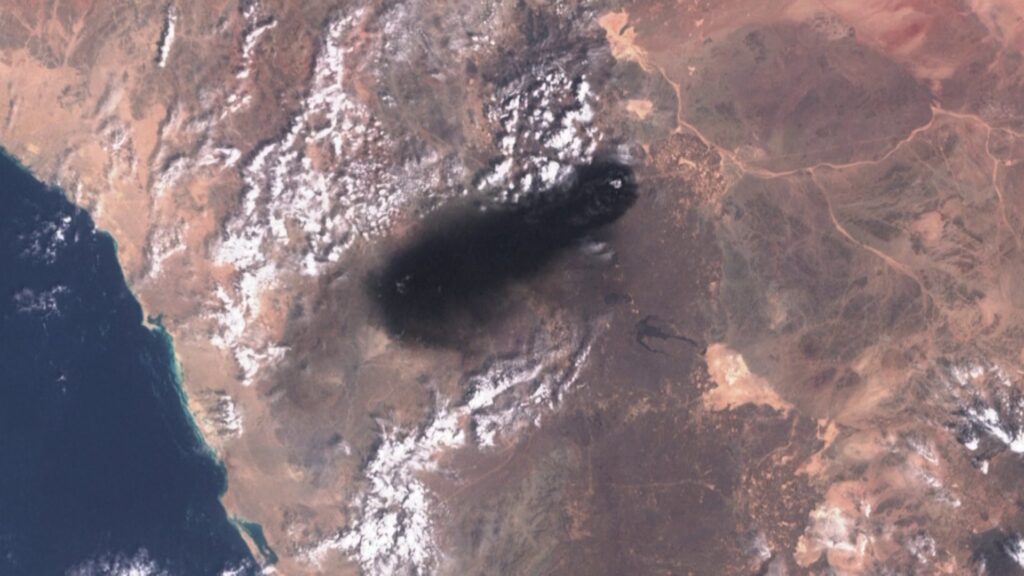
Saudi Arabia has taken the significant decision to cancel certain oil shipments destined for Europe in response to a recent attack that led to the shutdown of its crucial East-West export pipeline to the Red Sea. This pipeline is a vital conduit for transporting crude oil from the oil-rich eastern regions of the kingdom to its western ports, facilitating global export routes, particularly to European markets.
The pipeline blast has caused substantial disruptions, compelling Saudi Arabia to reassess its export commitments to ensure the security and stability of its oil infrastructure. The cessation of deliveries highlights the vulnerability of critical energy infrastructure to geopolitical and security threats, further impacting the global oil supply chain.
European countries, highly dependent on stable oil imports, are now facing potential supply shortages and increased energy market volatility. The incident has sparked concerns about the broader implications for energy security in Europe, where reliance on Middle Eastern oil is significant.
Saudi Arabian officials have not yet disclosed detailed plans for repairing the pipeline or timelines for resuming full operations. Meanwhile, the kingdom is likely to seek alternative routes and methods to maintain its oil exports, while enhancing protective measures to prevent future attacks on its energy infrastructure.
This development underscores the geopolitical tensions affecting energy markets and poses challenges for international energy trade. The situation remains fluid, and market analysts are closely monitoring the potential for ripple effects on global oil prices and energy security strategies.
As the fallout from the East-West pipeline blast continues to unfold, cooperation between energy-producing and consuming nations will be critical in mitigating disruptions and stabilizing the global oil market. The incident serves as a stark reminder of the strategic importance of securing energy supply chains against emerging threats in a complex geopolitical landscape.