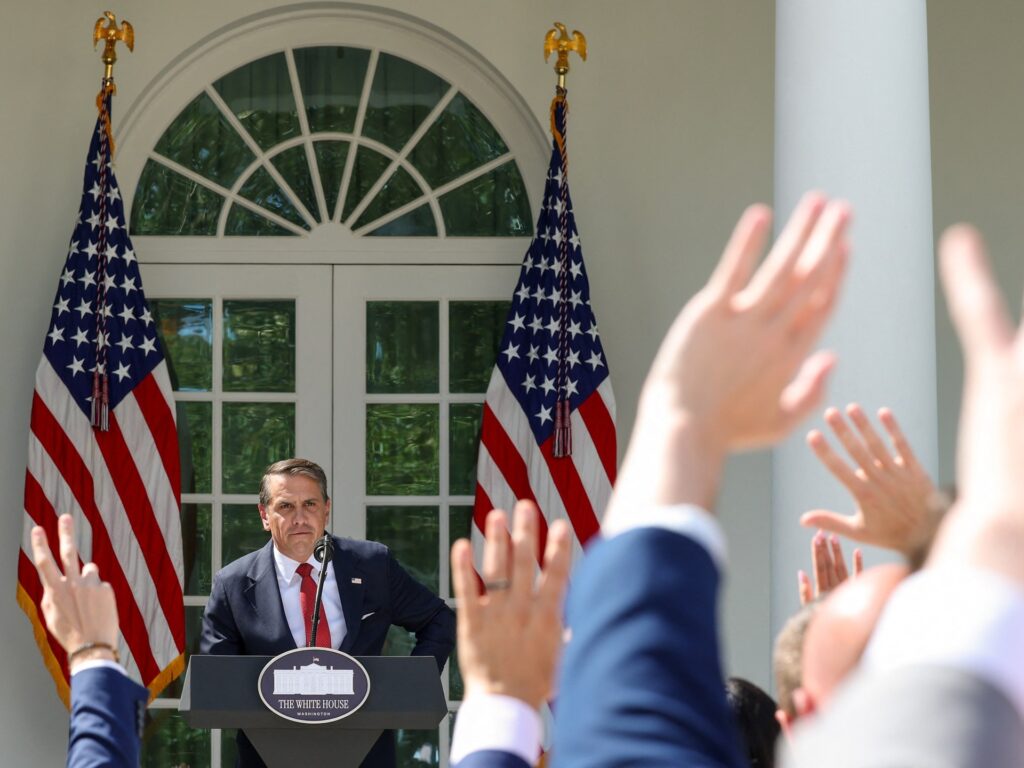
In recent developments surrounding the US electoral process, Blanche has publicly stated that the administration will comply with the Supreme Court’s ruling on mail ballots. This statement comes in the wake of a significant court decision that blocked a controversial ballot rule change, which has stirred intense debate nationwide.
Blanche’s position emphasizes adherence to the legal framework established by the judiciary, underscoring the importance of upholding court decisions even in politically charged contexts. “The administration respects the rule of law and will ensure that the mail ballot procedures follow the court’s directives,” Blanche remarked in a recent address.
Meanwhile, former President Donald Trump has vocalized his dissatisfaction with the Supreme Court’s rulings, asserting that these decisions have set the United States “back 100 years.” Trump criticized the blocking of the new ballot rule change as detrimental to the integrity and modernization of the electoral system.
Trump’s comments reflect ongoing tensions within American politics regarding voting regulations and the balance between accessibility and security. Supporters of the ballot rule changes argue that updates are necessary to adapt to contemporary challenges and voter needs, while opponents express concerns about potential abuses and the preservation of traditional election standards.
The Supreme Court’s intervention has reignited discussions about the role of judiciary in electoral oversight and the broader implications for democratic processes. Legal experts note that while the court’s rulings are binding, they often prompt further legislative and administrative reviews to reconcile competing interests.
Blanche’s defense of the administration’s compliance illustrates a commitment to stability and legal consistency amid the controversy. Her stance also seeks to reassure the public that despite political disagreements, the election mechanisms remain grounded in lawful procedures.
The debate extends beyond legal realms, touching on public trust, voter engagement, and the future direction of electoral reforms. As the nation navigates these challenges, voices from various sectors continue to advocate for transparency, fairness, and resilience in the democratic system.
In conclusion, the administration’s decision to adhere to the Supreme Court’s mail ballot ruling, coupled with Trump’s critical response, highlights the complex dynamics of electoral governance in the United States. This ongoing discourse underscores the need for balanced approaches that respect judicial authority while addressing contemporary electoral concerns.