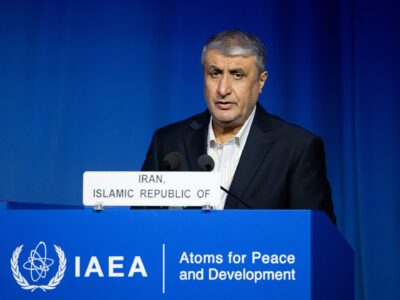
Efforts to ease tensions and reach a potential breakthrough on the ongoing conflict involving Iran have suffered a setback, as scheduled talks in Oman between Iran and Gulf Arab states were postponed. These discussions, which were anticipated to address key issues surrounding the Iran war and regional security, had fostered hopes for de-escalation and improved diplomatic relations across the Middle East. The postponement, however, dims prospects for immediate progress in resolving the conflict and underscores the complexities involved in mitigating long-standing geopolitical disputes.
The talks were planned to involve representatives from Iran and several Gulf Cooperation Council (GCC) member states, aiming to foster dialogue that could lead to reduced hostilities and enhanced cooperation. Oman, known for its neutral stance and diplomatic facilitation in regional conflicts, was chosen as the venue for these crucial negotiations. The gulf states, wary of Iran’s regional influence and military activities, sought assurances and mechanisms to prevent further escalation.
Though specifics behind the decision to delay the talks remain unclear, the postponement points to persistent challenges ranging from divergent political interests to unresolved tensions between the involved parties. The unrest not only affects regional stability but also impacts global economic interests, given the significance of the Gulf region in energy markets.
Observers note that the delay might reflect the delicate nature of the discussions and the difficulty in reconciling the varied agendas. There is also speculation that external geopolitical pressures and internal political considerations within the involved countries contributed to the setback.
Despite the postponement, diplomats and analysts remain cautiously optimistic that the talks will resume, emphasizing the importance of dialogue to ease the conflict. Oman continues to be viewed as a key mediator capable of bringing the parties back to the negotiating table.
The Gulf Arab states and Iran share deep historical and economic ties, albeit marred by strategic rivalries and conflicts over influence in the region. The ongoing war involving Iran has exacerbated tensions, threatening broader security and undermining efforts towards economic integration.
The international community has widely supported initiatives aimed at fostering peaceful dialogue, understanding that stability in the Gulf is crucial for global peace and prosperity. As such, resuming talks will be vital in preventing further escalation and promoting a pathway to lasting peace.
In summary, the postponement of the Oman talks between Iran and Gulf Arab nations marks a temporary setback in efforts to address the Iran war diplomatically. While it challenges hopes for an immediate breakthrough, the situation remains fluid, with the potential for dialogue to resume under conducive circumstances. Both sides face the pressing task of overcoming deep-rooted mistrust and political challenges to secure a more stable and peaceful future for the Gulf region.