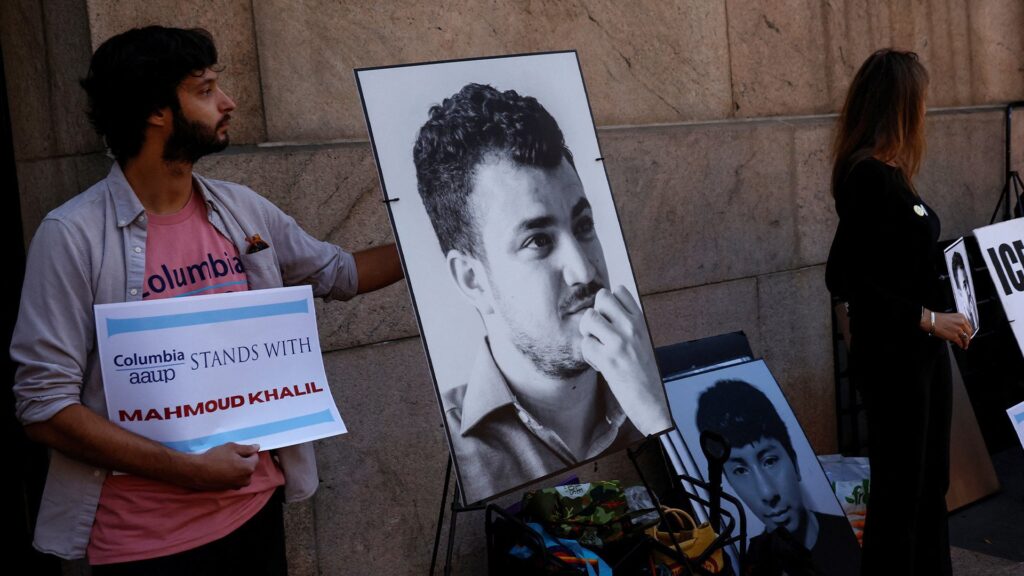
Mahmoud Khalil, an activist and former student of Columbia University, has recently filed a discrimination lawsuit against the prestigious institution as well as a dean at the university. Khalil contends that Columbia University failed to address instances of discrimination he experienced during his time as a student, leading him to take legal action seeking accountability.
According to Khalil, the university’s administration was dismissive of his concerns, exemplified by his statement, “Columbia did not care.” This suggests a perceived lack of responsiveness or support from university officials despite his efforts to bring these issues to light.
The discrimination lawsuit is a significant move, drawing attention to broader concerns about inclusivity and equity within higher education environments. Universities like Columbia, known for their rigorous academic programs and prominent faculty, are increasingly scrutinized for how they handle students’ complaints involving discrimination, bias, or harassment.
Khalil’s legal action highlights ongoing challenges faced by marginalized students who may feel isolated or unfairly treated on campus. His case underscores the need for universities to implement stronger policies, transparent procedures, and educational initiatives that promote diversity and protect students’ rights.
While details of the specific allegations against the dean and the university’s policies have not been fully disclosed, the lawsuit is expected to explore issues of institutional responsibility and the effectiveness of Columbia University’s response mechanisms in instances of discrimination.
This lawsuit may prompt Columbia University and other higher education institutions to review their strategies and commitment to fostering inclusive, respectful learning environments. It also encourages dialogue on how universities can better support students from diverse backgrounds and ensure equitable treatment.
Mahmoud Khalil’s courage in filing this lawsuit not only challenges the university to reflect on its practices but also serves as an inspiration for other students and activists confronting discrimination. The outcome of this case could have significant implications for policies across universities nationwide, strengthening protections for vulnerable students.
As this legal matter progresses, it will be closely watched by advocacy groups, educators, students, and policymakers who are invested in promoting fairness and equity in educational institutions. Khalil’s stand against discrimination resonates beyond his personal experience, contributing to the ongoing national conversation about civil rights and justice in academia.
In sum, Mahmoud Khalil’s lawsuit against Columbia University exposes critical questions about how discrimination is handled in elite universities and the responsibilities those institutions bear toward their student populations. His lawsuit may pave the way for more rigorous accountability and reforms ensuring all students receive the respect and support they deserve.