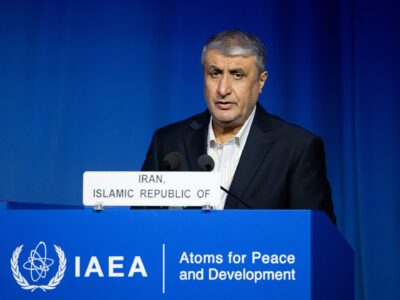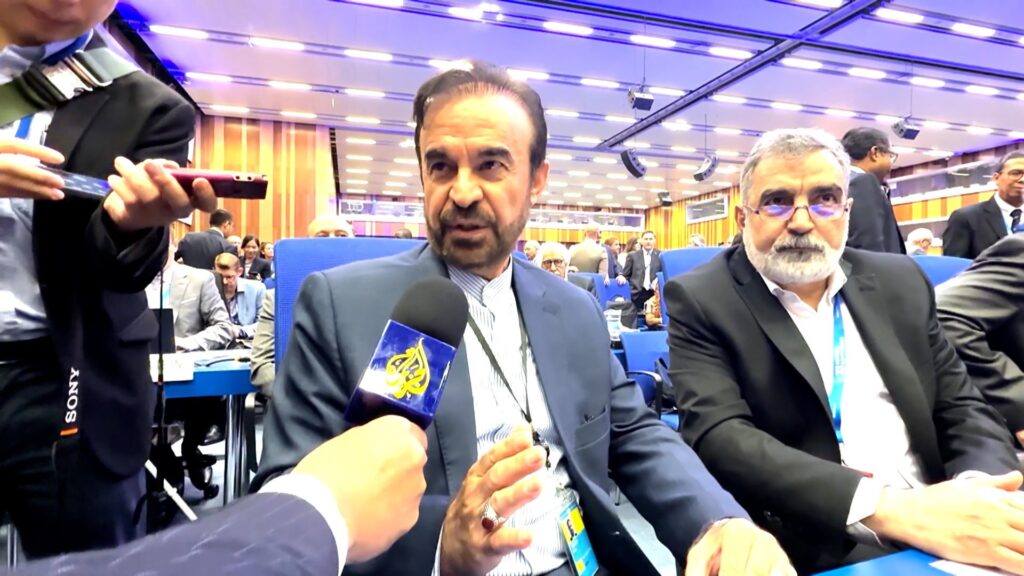
Austria has officially denied entry to an Iranian official, escalating diplomatic tensions between the two nations. This decision comes in the wake of a recent United Nations ruling that has influenced Austria’s stance on hosting Iranian representatives. The Iranian government has publicly accused Austria of reversing its prior approval of an Iranian delegation’s access to the International Atomic Energy Agency (IAEA), alleging that this change was made under pressure from external entities.
The situation began when Iran planned to send a delegation to the IAEA, which is tasked with monitoring nuclear activities globally, including those in Iran. Austria, where the IAEA headquarters is located, initially approved the Iranian delegation’s visit. However, following the UN ruling, Austria decided to bar the Iranian official from entering the country.
Iran condemned Austria’s actions, stating that the reversal was unjust and politically motivated. The Iranian foreign ministry expressed disappointment, arguing that their cooperation with international agencies like the IAEA is critical for transparency and dialogue.
This incident reflects the complex interplay of international diplomacy, where global rulings and pressure can significantly impact bilateral relations. Austria’s decision can be seen as aligning with broader international efforts to address concerns over Iran’s nuclear program, while Iran perceives it as a setback to constructive engagement.
Analysts suggest that Austria’s move may be aimed at maintaining solidarity with certain UN member states advocating for stricter scrutiny of Iran’s nuclear activities. Meanwhile, Iran’s reaction signals heightened sensitivity to what it views as external interference in its sovereign affairs.
The denial of entry to the Iranian official is likely to have repercussions on Iran-Austria diplomatic ties and may affect Iran’s future interactions with international nuclear oversight bodies. The incident underscores ongoing challenges faced by international institutions in balancing cooperation with enforcement of regulatory measures.
Observers are closely watching subsequent developments, as the situation could influence negotiations and diplomatic strategies involving Iran’s nuclear program. Both Austria and Iran may need to engage in dialogue to resolve misunderstandings and ensure that international mechanisms like the IAEA can function effectively.
This episode is a reminder of the delicate nature of international relations, where political, legal, and security considerations intertwine. The global community continues to seek pathways for peaceful resolution and mutual trust-building amid geopolitical complexities.