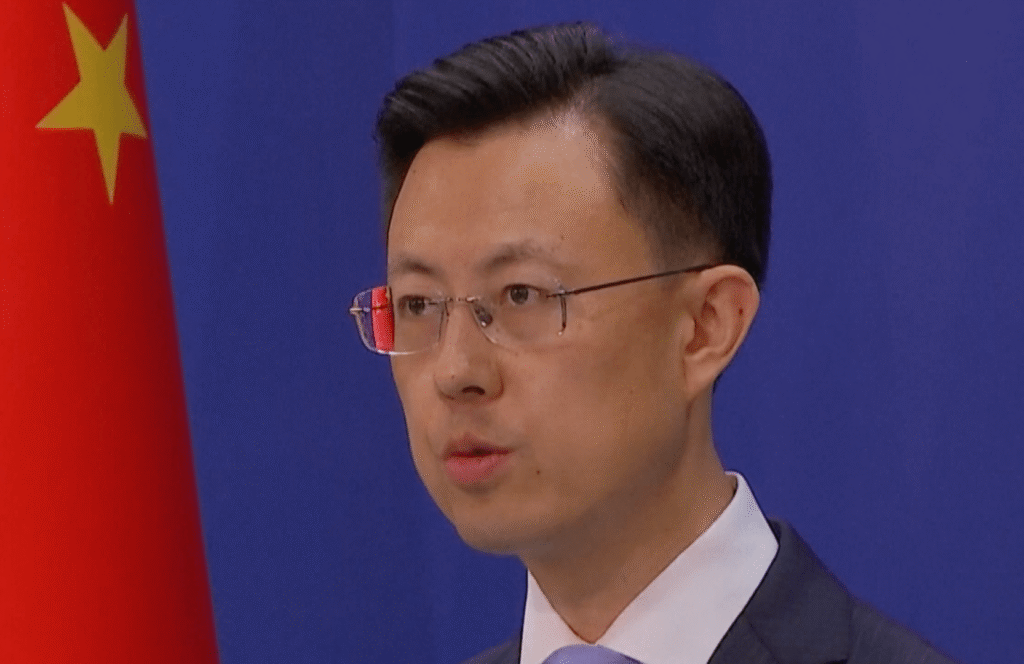
In recent global discussions surrounding artificial intelligence (AI), China has taken a firm stance rejecting the prevailing narratives that depict AI as a security or existential threat. Emphasizing collaboration over confrontation, Chinese officials have asserted the importance of international cooperation to harness AI’s potential benefits while managing its risks responsibly.
China’s position comes amid increasing debate worldwide about the role of AI in society, security, and economics. While some countries emphasize AI’s strategic risks and call for regulations based on threat perceptions, China urges a more balanced approach focused on innovation, ethical development, and shared benefits.
Chinese representatives at various international forums have highlighted the dangers of framing AI as a geopolitical weapon or source of conflict. Instead, they propose establishing global norms and standards that promote transparency, trust, and peaceful use of AI technologies.
The narrative China proposes challenges the dominant discourse that often associates AI advancements with military competition or economic rivalry. By rejecting the ‘threat narrative,’ China aims to foster a cooperative international environment where AI technology can be developed for the common good.
China’s AI strategy includes encouraging open dialogue among governments, academia, industry, and civil society worldwide. This approach emphasizes collective problem-solving and the establishment of regulatory frameworks that protect privacy, prevent misuse, and ensure equitable access to AI benefits.
Moreover, China advocates for investment in AI research and development partnerships that cross borders, promoting technology sharing and joint innovation projects. This perspective aligns with the broader vision of building a community with a shared future for humanity, where technology serves to enhance global welfare rather than exacerbate divisions.
By urging global cooperation, China seeks to reduce the risks of AI-induced tensions and conflicts, promoting stability in international relations. The call also reflects China’s interest in shaping the future architecture of AI governance, ensuring that emerging rules and standards consider its priorities and values.
As AI continues to evolve rapidly, China’s rejection of threat narratives and emphasis on cooperation adds a significant voice to the global debate. It challenges other nations to reconsider adversarial approaches and to instead pursue partnerships that maximize AI’s positive impact across all sectors.
In conclusion, China’s position on AI is clear: dismissing fear-driven threats and encouraging united efforts to address AI’s challenges and opportunities collaboratively. This stance could influence international policy directions and potentially foster a more inclusive and constructive global AI ecosystem in the years to come.