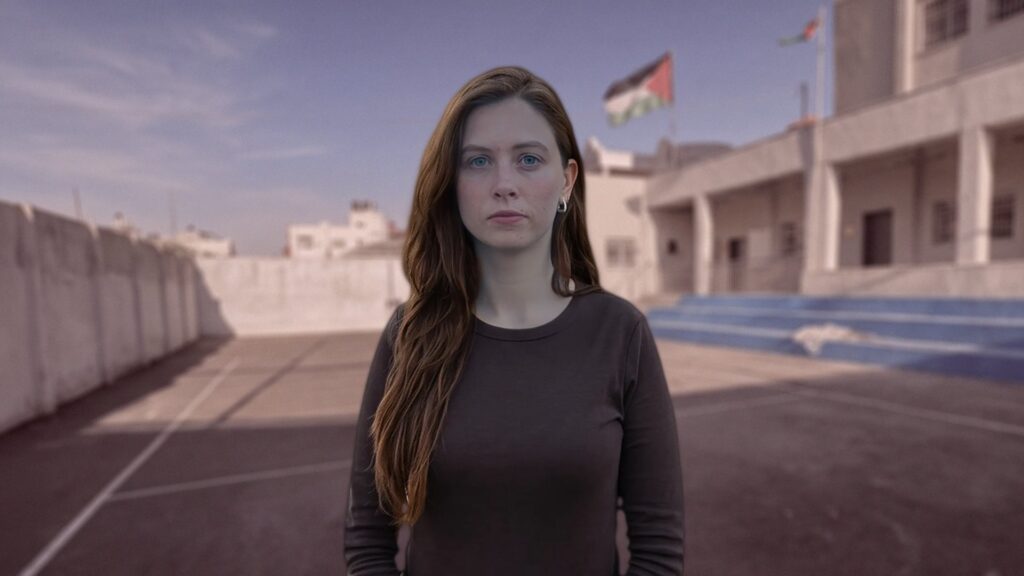
In the small village of al-Mughayyir, located northeast of Ramallah, Palestinian children face daily challenges that go beyond the typical concerns of education. Attending school amid the Israeli occupation means navigating a landscape fraught with obstacles, most notably the presence of Israeli soldiers along their route to class.
Al-Mughayyir is part of the West Bank, an area where geopolitical tensions have deeply impacted everyday life. Israeli military checkpoints, patrols, and surveillance are common features of the environment, making something as fundamental as going to school a complex and often intimidating experience.
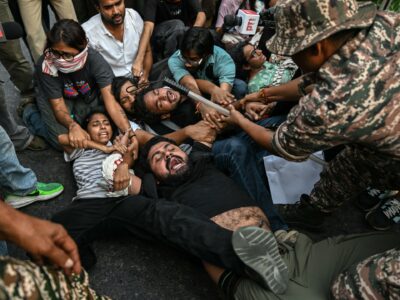
Every morning, children from this village must pass by Israeli soldiers stationed in or near their community. These soldiers are tasked with securing the area, but their presence creates a sense of constant stress and uncertainty for students and their families. The walk to school, typically a time for gathering and socializing, becomes overshadowed by fear and caution.
This daily transit through a militarized zone disrupts the normal rhythm of school life. Students often arrive at school already exhausted by the emotional burden of the journey. Parents express concerns about their children’s safety, especially given reports of altercations or incidents at checkpoints.
Teachers in al-Mughayyir also note the effects of the occupation on their students’ academic performance and mental health. The anxiety and trauma experienced outside the classroom seep into their ability to focus and engage with lessons. Many schools in conflict zones like al-Mughayyir strive to provide psychological support, but resources are limited.
The occupation imposes barriers not only physical but also educational. Restrictions on movement can lead to irregular attendance and affect access to extracurricular activities and educational resources. The infrastructure in these areas often suffers from neglect, compounding difficulties for students and educators alike.
Despite these hardships, the community of al-Mughayyir demonstrates resilience and a strong commitment to education. Families and teachers work tirelessly to maintain a sense of normalcy and hope. Schools become spaces of resistance and empowerment, where children learn about their rights and heritage, fostering a spirit of perseverance.
International organizations and human rights groups frequently highlight the obstacles faced by Palestinian students in occupied territories. They advocate for safer access to education and call on the Israeli authorities to ease restrictions that impede children’s right to learn.
The story of al-Mughayyir is a poignant example of how occupation shapes the most basic aspects of life. For children there, going to school is not just a routine but a daily act of courage amidst the challenges posed by military occupation. It underlines the urgent need for dialogue and solutions that prioritize the welfare and education of all children in the region.
In conclusion, the experience of schooling under occupation in al-Mughayyir reflects a broader reality faced by many Palestinians. It serves as a call to the international community to recognize and address these hardships, ensuring that every child has the opportunity to learn in peace and security—something that should be universal and unconditional.