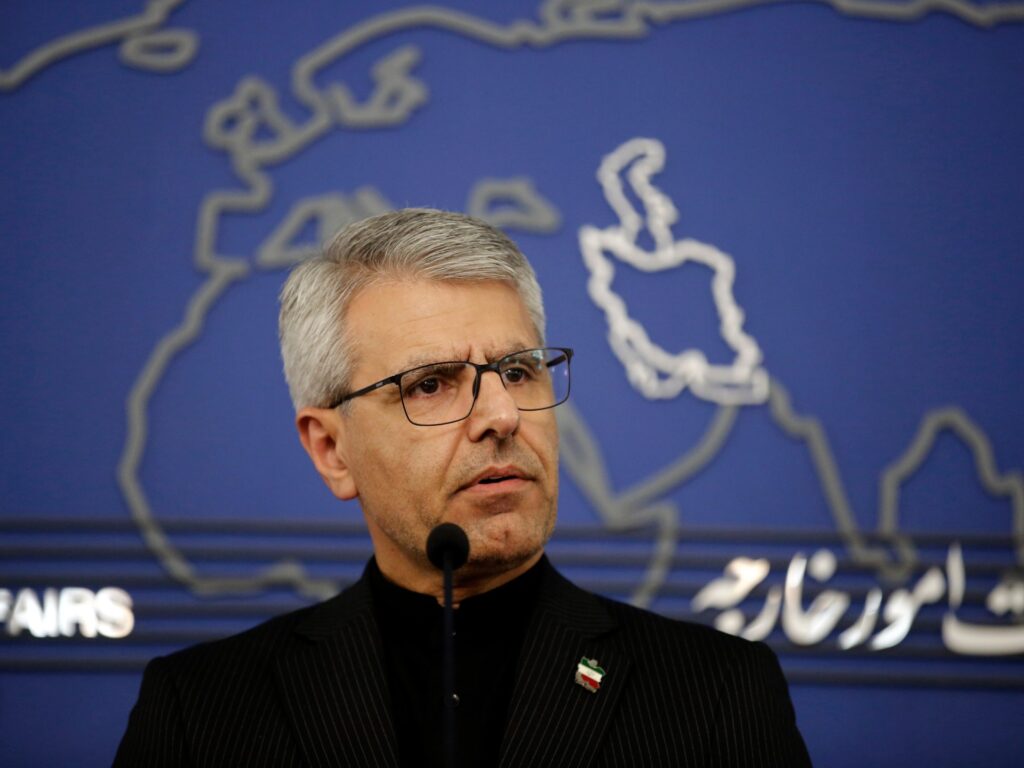
Recent developments in Yemen have led to the postponement of crucial talks concerning the Strait of Hormuz, according to Iran’s Foreign Ministry spokesperson Esmaeil Baghaei. The strategic waterway, a vital corridor for global oil shipments, has been a focal point of international diplomatic efforts amid regional tensions. The talks were expected to address security and navigation issues to ensure safe passage through this narrow but highly significant maritime chokepoint.
Esmaeil Baghaei emphasized that the delay is directly linked to the unfolding events in Yemen, a country currently embroiled in a complex and protracted conflict involving multiple internal and external actors. The conflict has significant implications for regional stability, prompting many stakeholders to reassess ongoing diplomatic negotiations in nearby arenas.
Baghaei firmly reiterated Iran’s position of non-interference in Yemen’s internal affairs. This stance aims to distance Tehran from accusations of fomenting conflict or exerting undue influence in the Yemeni crisis. Iran has consistently maintained that its role is one of a regional player advocating for peaceful resolutions rather than direct involvement in foreign internal matters.
The Strait of Hormuz remains a critical chokepoint where approximately 20% of the world’s petroleum passes daily, making any security issue a matter of international concern. Previous attempts to organize talks have sought to reduce tensions and build trust among the bordering nations, including Iran, Oman, and the Gulf Cooperation Council members.
The postponement of the talks adds a layer of complexity to an already tense regional geopolitical landscape shaped by historical conflicts, maritime security challenges, and the broader contest for power and influence in the Middle East.
Iran’s foreign ministry spokesperson articulated that the priority is to ensure stability and peaceful navigation in the Strait while respecting national sovereignties and refraining from external interference in sovereignty issues. This aligns with international calls for peaceful dialogue and cooperation to maintain open sea lanes crucial for global energy supplies.
Observers of Middle Eastern diplomacy see the postponement as reflective of how Yemen’s situation continues to impact broader regional dynamics and security dialogues. The implication is clear: resolving Yemen’s internal conflict is vital not only for the country’s stability but also for securing strategic maritime routes adjacent to the region.
Stakeholders are now watching closely for new dates for the Strait of Hormuz talks, hopeful that conditions will improve to resume negotiations aimed at enhancing security cooperation. Analysts believe any breakthrough in maritime diplomacy could contribute to easing tensions and fostering a more stable security environment in the Gulf region.
The Iranian government’s repeated affirmation of non-interference may also be seen as an attempt to build diplomatic trust and mitigate accusations from rival powers. Such declarations are essential to maintain a diplomatic environment conducive to dialogue and peaceful conflict resolution.
In conclusion, the postponement of talks on the Strait of Hormuz underscores the complex linkages between regional conflicts, such as the war in Yemen, and overarching security challenges. Diplomats and experts agree that regional stability hinges on constructive engagement and recognition of sovereignty principles, alongside concerted efforts to address internal conflicts that reverberate beyond national borders.
The coming weeks and months will likely see careful diplomatic maneuvering as parties endeavor to find common ground amid continuing unrest in Yemen and fluctuating tensions around the strategic Strait of Hormuz.