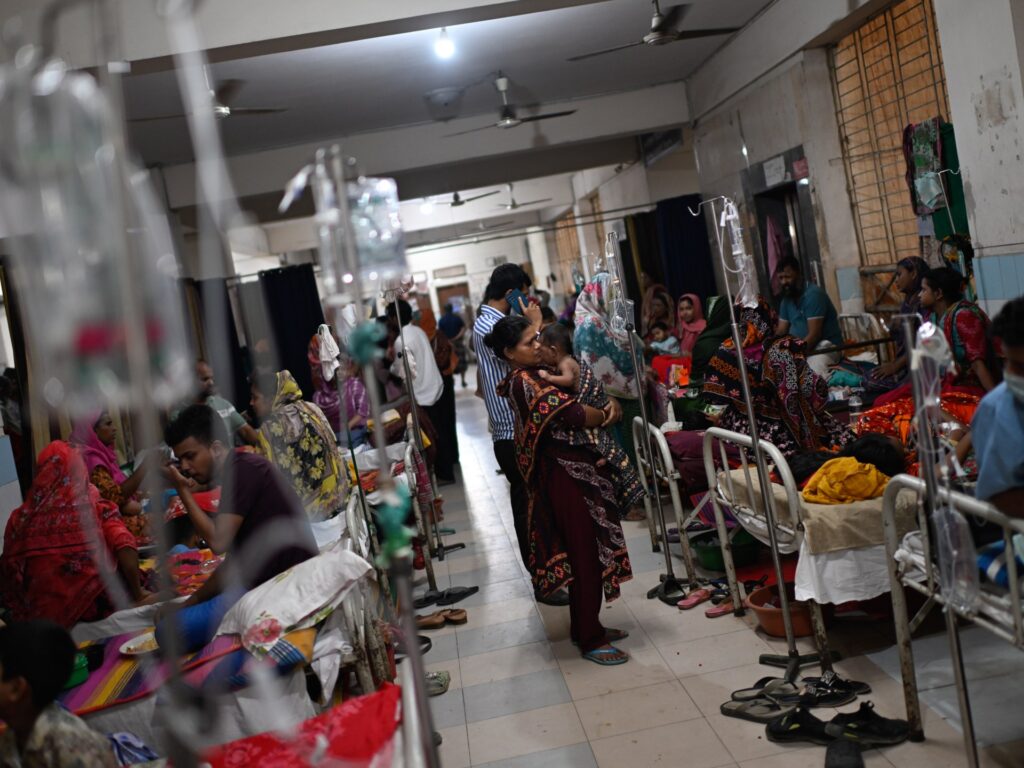
Bangladesh has tragically lost over 1,000 lives to measles, a concerning figure that persists even as the nation has ramped up its vaccination efforts with a record drive administering 20 million vaccines since April. Analysts point to past lapses in maintaining consistent vaccination coverage as a significant factor contributing to the current crisis.
Measles, a highly contagious viral disease, can be prevented effectively through vaccination, making the loss of so many lives particularly distressing. Bangladesh’s recent push to immunize millions signals a commitment to controlling and eventually eradicating measles within its borders. However, the scale of the recent deaths underscores challenges beyond vaccine availability.
Experts highlight that while the current vaccine drive is unprecedented in its reach, the effects of previous inconsistent immunization programs have left a pool of vulnerable individuals susceptible to outbreaks. Gaps in vaccine coverage in earlier years allowed the virus to persist and spread, contributing to a higher number of cases and deaths.
Furthermore, logistical difficulties in reaching remote and underserved communities have hindered universal vaccine coverage. Some regions suffer from weak healthcare infrastructure, making it challenging to maintain the cold chain essential for vaccine efficacy and to conduct widespread immunization drives.
Public misinformation and vaccine hesitancy also play roles in undermining the effectiveness of vaccination campaigns. Despite governmental and NGO efforts to raise awareness, myths and fears around vaccine safety prevent some families from vaccinating their children.
The government of Bangladesh, in collaboration with international health organizations, continues to intensify efforts to address these multifaceted issues. Initiatives include improving healthcare delivery systems, enhancing community engagement to boost public trust in vaccines, and implementing targeted strategies to reach unvaccinated populations.
Analysts emphasize the importance of sustaining high vaccination coverage over time to prevent future outbreaks. The recent surge in measles deaths serves as a stark reminder of the critical need for continuous and comprehensive immunization programs.
As Bangladesh confronts this public health challenge, the lessons learned from past shortcomings will be vital in shaping more effective strategies. The nation’s ongoing vaccine campaign offers hope that with persistent and collective action, the tide against measles can be turned, saving countless lives in the future.