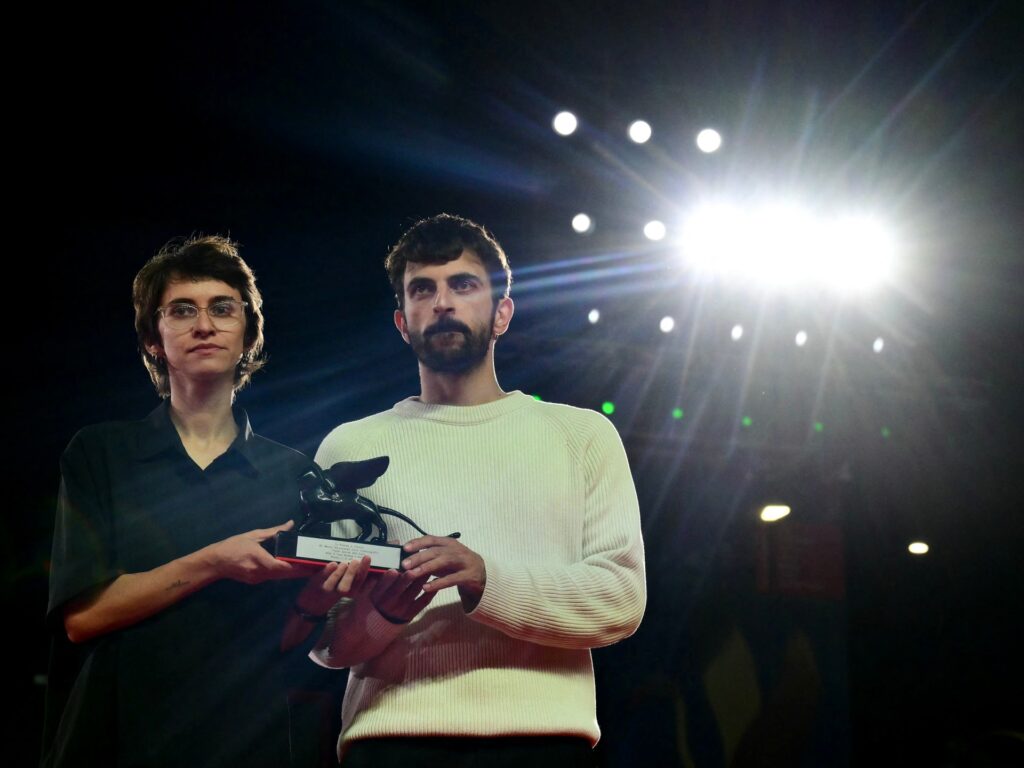
The recent recognition of a film depicting the situation in Gaza at the Venice Film Festival has sparked a fierce reaction from Israeli officials. Israeli Culture Minister Miki Zohar has publicly condemned the Gaza genocide film, labeling it as ‘vile’ and controversial. The film has garnered international attention after its win at the prestigious Venice Film Festival, elevating the global discourse surrounding the Israeli-Palestinian conflict.
Minister Zohar’s response was severe and unprecedented, as he threatened to revoke the citizenship of the filmmakers involved in the production of the film. This move has intensified debates over freedom of expression, artistic license, and state control of narratives concerning national and international issues.
The film provides a stark portrayal of the conditions and events in Gaza, framing them as an act of genocide. It draws on testimonies, archival footage, and on-the-ground reporting to craft a narrative that challenges official Israeli government positions and highlights humanitarian concerns.
Advocates for the film argue that it offers an essential perspective on the human rights situation in Gaza, while critics, including Minister Zohar, accuse it of distorting facts and inciting hatred against Israel. This polarization reflects the broader societal divisions on the issue, where art and politics collide.
The Venice Film Festival, known for its showcase of socially and politically relevant cinema, defended its decision to honor the film. Festival organizers emphasized the importance of cinema as a platform for difficult conversations and cultural expression, regardless of political consequences.
Israeli citizens and international observers have expressed concern about the implications of threatening citizenship revocation as a punitive measure against artists. Human rights organizations highlight that such actions could undermine democratic principles and freedom of speech.
The filmmakers behind the Gaza film have remained mostly silent on the threats but have indicated their commitment to continuing their work and raising awareness about the conflict. They consider their work an act of courage and truth-telling in the face of political pressure.
This incident comes at a time when tensions in the region remain high, and discourse around the conflict continues to be highly sensitive and polarized. The Israeli government’s reaction could signal a new phase in how cultural expressions related to the conflict are managed and controlled.
International reactions have varied, with some governments urging dialogue and caution in responses to artistic portrayals of conflict, while others have taken a stance similar to Israel’s, citing concerns about misinformation.
Overall, the controversy highlights the complex intersection of art, politics, and identity in Israel and Palestine, underscoring the challenges of addressing deeply rooted conflicts through cinema and public discourse. The outcome of this controversy may have lasting effects on artistic freedom and the political climate surrounding the Israeli-Palestinian conflict.
As the situation develops, attention remains focused on the filmmakers, the Israeli government’s next steps, and the international community’s response to the intersection of art and politics in one of the world’s most enduring conflicts.